
Table of Contents
Understanding the Need for BIM Outsourcing
In today’s construction landscape, efficiency and accuracy are no longer optional—they are expected. Building Information Modeling (BIM) has become the backbone of modern architecture, engineering, and construction (AEC) projects. However, not every firm has the in-house expertise, technology, or resources to implement BIM effectively. This is where BIM outsourcing services step in, offering companies a cost-effective way to access skilled professionals, advanced software, and reliable project execution without stretching internal resources.
What BIM Outsourcing Services Include
BIM outsourcing goes beyond simply drafting 3D models. It encompasses a wide range of services that support each phase of the project lifecycle. Common offerings include:
- 3D Modeling and Visualization – Creating detailed models for architects, contractors, and clients.
- Clash Detection – Identifying and resolving design conflicts before construction begins.
- Quantity Take-offs – Providing accurate material estimates to control project costs.
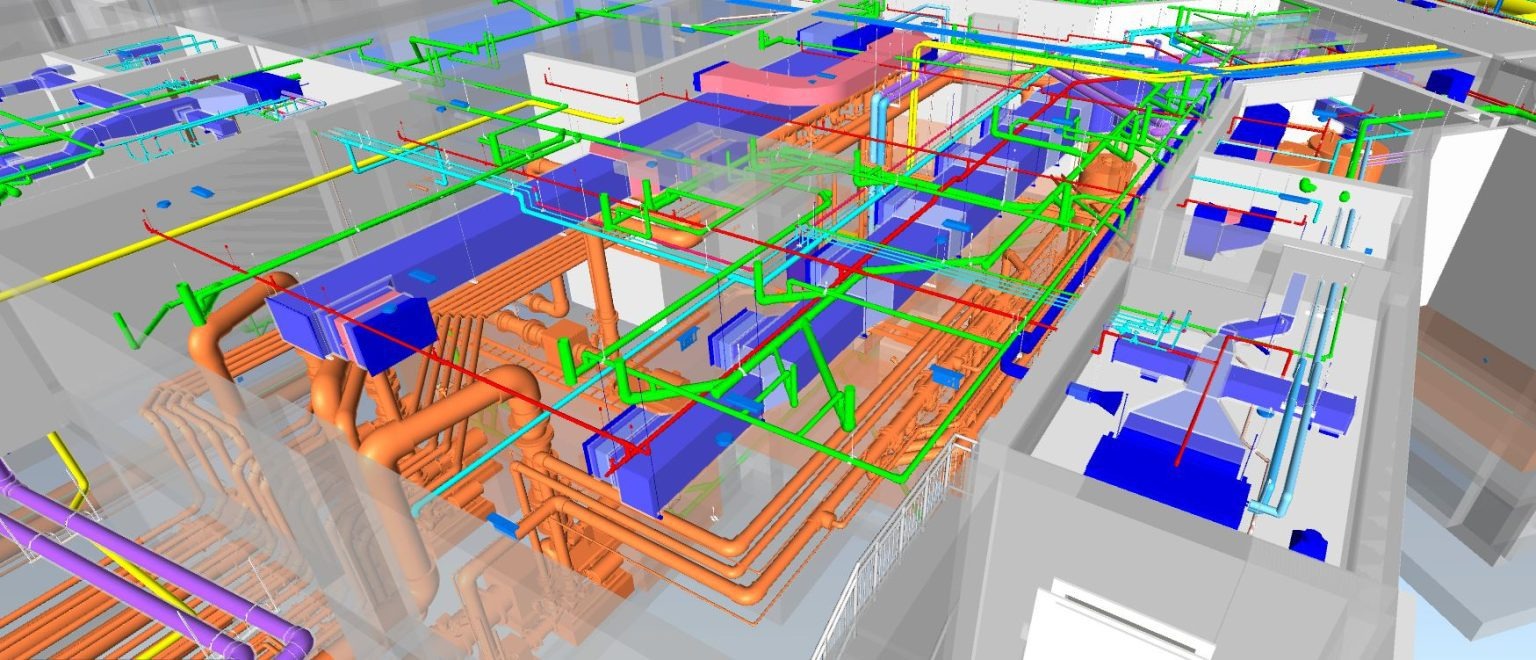
- MEP BIM Services – Designing and coordinating mechanical, electrical, and plumbing systems.
- Scan-to-BIM – Converting laser scans into intelligent BIM models for renovation or retrofitting.
- 4D and 5D BIM – Linking models with construction schedules and cost data for better project control.
By outsourcing these functions, companies gain access to specialized skill sets without heavy investment in training or software.
Why Companies Outsource BIM Instead of Building In-House
The decision to outsource is often strategic. Many construction firms find that in-house BIM execution requires a large upfront investment in technology, continuous staff training, and experienced leadership to manage complex workflows. By outsourcing, companies can:
- Scale up or down based on project requirements.
- Reduce overhead expenses.
- Access global talent with expertise across multiple domains.
- Ensure faster project turnaround without compromising quality.
- Focus on core competencies like design innovation and client management.
Outsourcing provides flexibility and allows firms to deliver world-class projects without operational bottlenecks.
Cost Efficiency Without Compromising Quality
One of the strongest reasons businesses turn to BIM outsourcing services is cost savings. Developing BIM capabilities internally can strain budgets, especially for small and medium-sized firms. Outsourcing provides:
- Lower labor costs in comparison to hiring full-time in-house teams.
- No software licensing burden since outsourcing partners already invest in leading platforms.
- Optimized resource allocation, ensuring time and money are used effectively.
This balance of affordability and quality helps companies remain competitive in a fast-evolving industry.
Addressing Industry Challenges with Outsourced BIM
The construction industry faces challenges such as labor shortages, tight project deadlines, and increasing demands for sustainability. Outsourced BIM services help address these issues by:
- Offering skilled professionals when local resources are unavailable.
- Shortening design timelines through round-the-clock collaboration.
- Creating precise models that minimize rework, saving both time and materials.
- Enabling sustainable design practices through energy-efficient modeling and simulations.
For global projects, outsourcing also provides time-zone advantages, keeping workflows active 24/7.
The Role of Technology in BIM Outsourcing
A major reason outsourcing has gained momentum is the rapid advancement of digital tools. Service providers leverage platforms like Autodesk Revit, Navisworks, ArchiCAD, and Tekla Structures to ensure high-quality outputs. Cloud collaboration tools further enhance transparency and communication between project stakeholders, regardless of location. For clients, this means seamless access to models, updates, and reports in real time.
Choosing the Right BIM Outsourcing Partner
Not all outsourcing providers deliver the same level of expertise. Companies should carefully evaluate potential partners based on:
- Experience in relevant project types (residential, commercial, infrastructure).
- Proven track record with global clients.
- Compliance with international standards such as ISO and ASME.
- Ability to integrate with in-house teams and existing workflows.
- Commitment to data security and intellectual property protection.
Selecting the right partner ensures that outsourcing becomes a value-add rather than a risk.
Future of BIM Outsourcing in the Construction Industry
As the AEC industry continues its digital transformation, outsourcing will become even more integral. With the rise of artificial intelligence, generative design, and digital twins, companies will increasingly rely on external specialists to stay at the cutting edge. Outsourced teams will not only create models but also support predictive analytics, sustainability goals, and facility management.
The future of construction will depend heavily on collaboration, and BIM outsourcing services are set to play a central role in shaping smarter, faster, and more sustainable projects.
To Learn More https://www.varminect.com/ Or Call Us On 190-834-47855
