
Vein health is often overlooked until problems become severe, causing discomfort, visible veins, or even serious complications. Many people ask: When should you consult a vein treatment specialist? Understanding the signs, symptoms, and treatment options can save you from long-term vein problems and improve overall health. At Vein Treatment California, we emphasize early intervention to maintain healthy circulation and prevent serious conditions.
Table of Contents
What Is a Vein Treatment Specialist?
A vein treatment specialist is a medical professional trained to diagnose and treat venous disorders, including spider veins, varicose veins, and chronic venous insufficiency. These specialists often have backgrounds in vascular surgery, interventional radiology, or dermatology, giving them a comprehensive understanding of vein health.
Many patients ask, “What kind of specialist treats varicose veins?” The answer is that vein treatment specialists are the go-to professionals for these conditions. They combine medical knowledge with advanced treatment techniques such as minimally invasive laser therapy, sclerotherapy, and radiofrequency ablation to relieve symptoms and improve vein appearance.
When Do Varicose Veins Require Professional Attention?
Varicose veins are swollen, twisted veins that often appear on the legs. While they can sometimes be a cosmetic concern, they may also indicate underlying venous insufficiency. You should consider seeing a vein treatment specialist if you notice:
- Pain or discomfort in the legs – Persistent aching, throbbing, or heaviness can signal poor vein function.
- Swelling around the ankles or calves – Swelling that worsens throughout the day may indicate vein valve issues.
- Visible, bulging veins – Large veins that are dark blue or purple should be evaluated for treatment options.
- Skin changes near veins – Discoloration, dryness, or ulcers near the ankles may require urgent attention.
Ignoring these symptoms can lead to more serious complications, including blood clots or chronic venous ulcers.
How to Know if You Need a Vein Treatment Specialist
Many people are unsure when to consult a vein treatment specialist. Here are clear guidelines:
- Early-stage vein symptoms – If you experience minor swelling, occasional leg cramps, or visible spider veins, it’s the perfect time to schedule an evaluation. Early treatment often requires less invasive procedures and prevents progression.
- Progressive symptoms – Increasing pain, swelling, or vein enlargement indicates that conservative treatments such as compression stockings may not be sufficient.
- Medical history factors – Patients with a family history of varicose veins, blood clots, or vascular disease should be proactive in consulting a vein specialist.
At Vein Treatment California, specialists use advanced diagnostic tools like duplex ultrasound to assess vein health, identify reflux, and determine the best treatment approach tailored to each patient.
What Kind of Specialist Treats Varicose Veins?
Understanding what kind of specialist treats varicose veins can help you make informed decisions. Typically, these professionals include:
- Vascular Surgeons – Experts in treating veins and arteries, performing surgical and minimally invasive procedures.
- Interventional Radiologists – Specialists who use imaging-guided techniques like laser or radiofrequency ablation.
- Phlebologists – Physicians focusing exclusively on vein disease, often providing both medical and cosmetic treatments.
Choosing the right specialist ensures that your treatment is both safe and effective. Ask about the doctor’s experience, treatment success rates, and whether they offer modern, minimally invasive options.
Benefits of Consulting a Vein Treatment Specialist Early
Consulting a vein treatment specialist at the first sign of vein problems has multiple advantages:
- Preventing complications – Early treatment can prevent blood clots, skin ulcers, and chronic venous insufficiency.
- Minimally invasive procedures – Many treatments today are outpatient procedures with minimal downtime, such as endovenous laser therapy or sclerotherapy.
- Improved comfort and mobility – Treating problematic veins relieves leg heaviness, swelling, and pain, allowing patients to resume normal activities.
- Enhanced appearance – Cosmetic concerns are addressed, boosting self-confidence.
Ignoring vein issues can lead to progressive discomfort and more complex interventions later on.
Signs You Should Seek Immediate Medical Attention
While most vein problems are manageable, some symptoms require urgent consultation:
- Sudden, severe leg pain or swelling
- Warmth, redness, or tenderness along a vein (possible blood clot)
- Non-healing sores or ulcers on the legs
- Bleeding from a varicose vein
If you experience these, contact a vein treatment specialist immediately. Early evaluation can prevent serious complications such as deep vein thrombosis.
What to Expect During a Vein Evaluation
When you visit a vein treatment specialist, the consultation typically includes:
- Medical history review – Discuss symptoms, family history, and lifestyle factors.
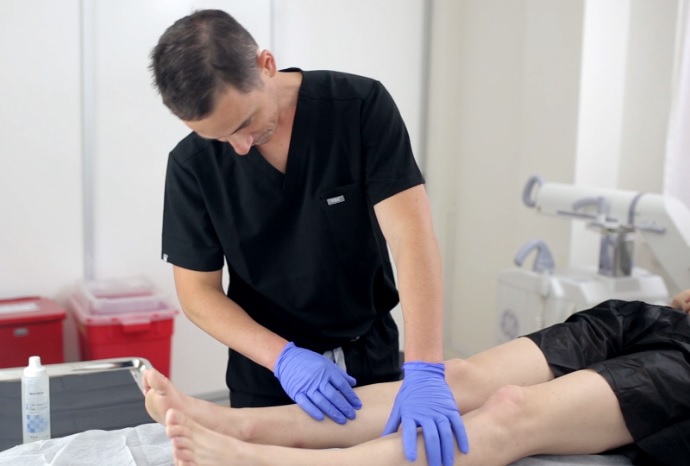
- Physical examination – The doctor assesses visible veins and checks for tenderness, swelling, or skin changes.
- Ultrasound imaging – A duplex ultrasound evaluates blood flow, valve function, and detects vein reflux.
- Treatment planning – Based on findings, the specialist recommends appropriate interventions, ranging from compression therapy to minimally invasive procedures.
This personalized approach ensures that you receive targeted, effective care for your vein concerns.
Modern Treatments Offered by Vein Specialists
Vein treatment specialists today provide a wide range of options, including:
- Sclerotherapy – A minimally invasive injection that closes small varicose or spider veins.
- Endovenous Laser Therapy (EVLT) – A laser-based treatment that seals larger veins without surgery.
- Radiofrequency Ablation (RFA) – Uses heat to close damaged veins safely.
- Phlebectomy – Minor surgical removal of prominent veins, often done under local anesthesia.
These treatments are designed to reduce pain, prevent disease progression, and improve cosmetic appearance.
How to Choose the Right Vein Treatment Specialist
Finding a qualified specialist is crucial for successful treatment. Consider the following factors:
- Credentials and experience – Look for board-certified vascular surgeons, phlebologists, or interventional radiologists.
- Treatment options offered – Ensure the clinic provides modern, minimally invasive techniques.
- Patient reviews and testimonials – Feedback from previous patients can offer insight into the specialist’s expertise.
- Technology and facilities – Advanced imaging and treatment equipment improve outcomes.
Choosing a trusted specialist, like those at Vein Treatment California, guarantees high-quality care tailored to your specific needs.
Conclusion
Knowing when to consult a vein treatment specialist is essential for maintaining vein health, preventing complications, and improving quality of life. If you notice persistent leg pain, swelling, or visible veins, it’s time to seek professional care. Understanding what kind of specialist treats varicose veins ensures you receive the right treatment from a qualified professional.
Early evaluation and intervention not only relieve symptoms but also prevent long-term vein disease. At Vein Treatment California, patients benefit from advanced diagnostics, personalized care, and minimally invasive procedures designed to restore vein health efficiently. Don’t wait until vein issues worsen—consult a specialist today for expert guidance and lasting relief.
