
Vein problems are common but often overlooked until they cause discomfort or visible signs such as varicose veins or spider veins. At Vein Treatment New Jersey, our focus is on providing precise, personalized care. But how do our vein experts identify the root cause of vein issues, and what treatment options do they offer? Let’s explore this in detail.
Table of Contents
Who Are Our Vein Experts and What Kind of Doctor is a Vein Specialist?
Understanding the credentials of our team is the first step in understanding vein care. Our vein experts are highly trained medical professionals specializing in diagnosing and treating vein disorders. A vein specialist, also known as a phlebologist, is a doctor who has expertise in managing conditions like varicose veins, spider veins, deep vein thrombosis (DVT), and chronic venous insufficiency.
Patients often ask, “What kind of doctor is a vein specialist?” Vein specialists come from diverse medical backgrounds, including cardiology, vascular surgery, dermatology, or interventional radiology. Regardless of their initial training, these doctors complete specialized fellowship programs and certifications in vein care, ensuring they have advanced skills in minimally invasive procedures. At Vein Treatment New Jersey, our vein experts combine years of experience with state-of-the-art technology to deliver the highest quality care.
How Do Our Vein Experts Diagnose Vein Issues?
Accurate diagnosis is crucial for effective treatment. Our vein experts use a multi-step process to identify the type, severity, and underlying cause of vein problems.
- Detailed Medical History
Our vein specialists begin by reviewing the patient’s medical history. They ask questions about family history, lifestyle habits, previous surgeries, and symptoms such as leg pain, swelling, or fatigue. This information helps our vein experts understand potential risk factors, including obesity, prolonged standing, pregnancy, or prior vein conditions.
- Physical Examination
Next, our vein experts perform a thorough physical exam. They look for visible signs such as bulging varicose veins, discoloration, or skin changes. During this assessment, they may also palpate the veins to check for tenderness or hardness, which can indicate underlying issues such as blood clots.
- Non-Invasive Ultrasound Testing
Ultrasound imaging, particularly duplex ultrasound, is a key diagnostic tool. It allows our vein experts to see blood flow in the veins, detect valve malfunctions, and identify blockages or clots. This imaging is painless and provides real-time information, helping specialists create a precise treatment plan.
- Additional Tests if Needed
In some cases, our vein experts may recommend other tests like venography or magnetic resonance venography (MRV). These imaging techniques provide more detailed views of deep veins and are usually reserved for complex cases.
What Treatment Options Do Our Vein Experts Offer?
Once a diagnosis is confirmed, our vein experts discuss the most effective treatment plan. At Vein Treatment New Jersey, we focus on minimally invasive treatments that provide faster recovery, minimal discomfort, and lasting results.
- Compression Therapy
For early-stage vein issues, compression stockings may be recommended. These specially designed stockings improve blood flow, reduce swelling, and prevent further vein damage. Our vein experts guide patients on proper use and the right compression level based on their condition.
- Sclerotherapy
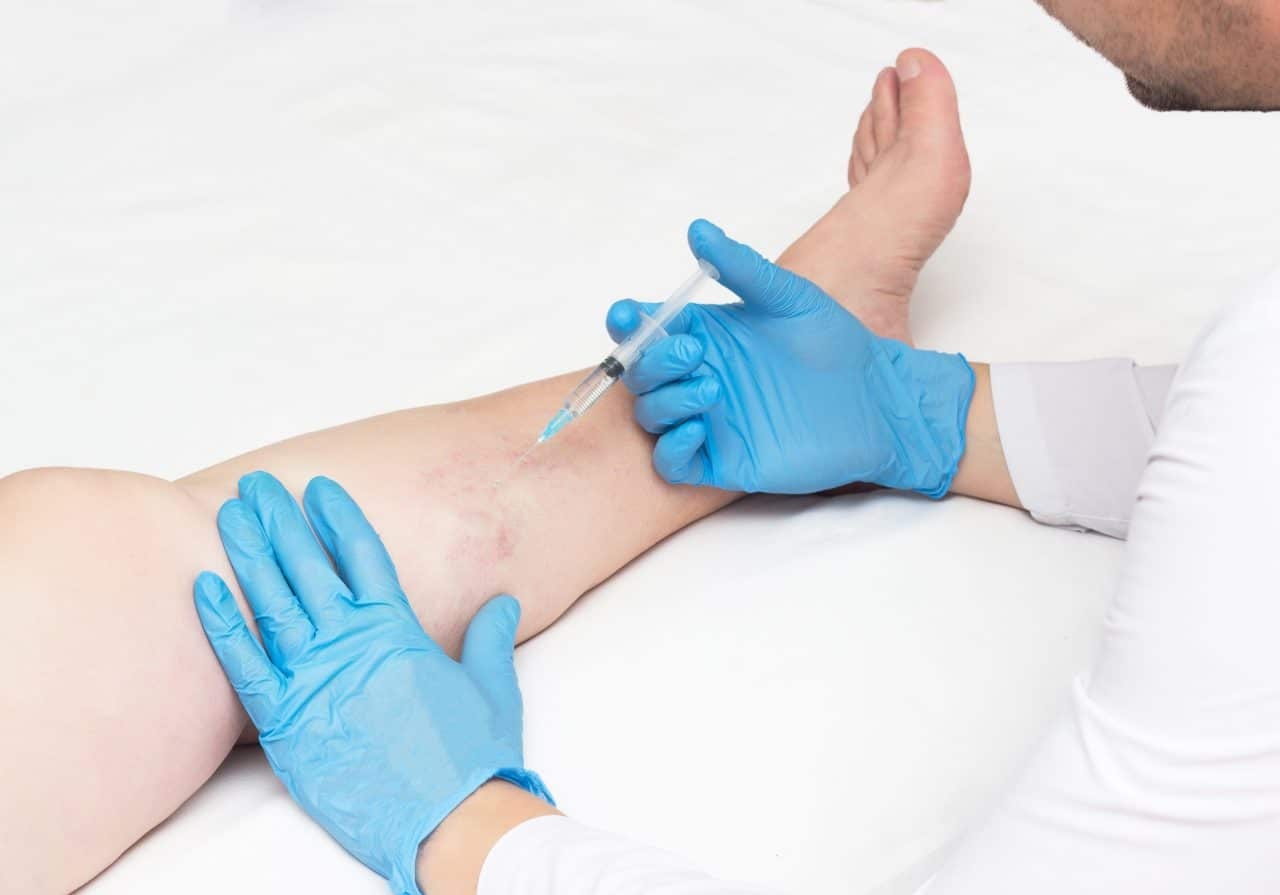
Sclerotherapy is a popular treatment for spider veins and smaller varicose veins. Our vein experts inject a medical solution directly into the affected vein, causing it to collapse and gradually fade. This outpatient procedure is quick, effective, and requires minimal downtime.
- Endovenous Laser Therapy (EVLT)
For larger varicose veins, EVLT is a highly effective option. Our vein specialists use laser energy to close malfunctioning veins. The procedure is minimally invasive, performed under local anesthesia, and allows patients to return to normal activities almost immediately.
- Radiofrequency Ablation (RFA)
Radiofrequency ablation uses heat energy to close problematic veins. Our vein experts carefully guide a catheter through the vein and apply controlled radiofrequency energy. This method is safe, efficient, and delivers long-term results for patients suffering from chronic venous insufficiency.
- Ambulatory Phlebectomy
For superficial veins that are prominent and causing discomfort, ambulatory phlebectomy is an excellent option. Our vein specialists remove veins through tiny incisions, leaving minimal scarring. Recovery is typically fast, and results are immediately noticeable.
- Venaseal Closure System
The Venaseal system is an innovative, adhesive-based treatment that seals veins without heat or extensive anesthesia. Our vein experts use this advanced technology to treat certain types of varicose veins with high precision and minimal discomfort.
How Do Our Vein Experts Ensure Long-Term Vein Health?
Treating vein problems is only part of the process. Our vein experts emphasize long-term care to prevent recurrence.
- Lifestyle Modifications: Patients receive guidance on exercise routines, diet adjustments, and weight management to reduce pressure on veins.
- Follow-Up Appointments: Regular check-ups allow our vein experts to monitor recovery and detect early signs of new vein issues.
- Patient Education: Understanding how veins function and recognizing symptoms early helps patients take proactive measures for vein health.
Why Choose Our Vein Experts at Vein Treatment New Jersey?
Patients often wonder what sets our vein experts apart. Here are a few reasons:
- Expertise: Our team is composed of highly trained vein specialists with extensive experience in advanced vein care.
- Advanced Technology: We use the latest diagnostic tools and minimally invasive treatments to deliver safe, effective results.
- Personalized Care: Every treatment plan is customized to the patient’s needs, ensuring optimal outcomes.
- Comprehensive Support: From initial consultation to post-treatment follow-up, our vein experts provide continuous care and guidance.
Frequently Asked Questions
Q: What kind of doctor is a vein specialist?
A: A vein specialist, or phlebologist, is a doctor trained in diagnosing and treating vein conditions. They may come from a background in vascular surgery, dermatology, or interventional radiology.
Q: Are vein treatments painful?
A: Most vein treatments are minimally invasive, performed under local anesthesia, and cause little to no discomfort. Our vein experts ensure patient comfort throughout the procedure.
Q: How long is recovery after vein treatment?
A: Recovery varies by procedure. Non-invasive treatments like sclerotherapy require minimal downtime, while procedures like EVLT or RFA allow patients to resume normal activities almost immediately.
Q: Can vein problems return after treatment?
A: While treatment addresses existing vein issues, new veins can develop over time. Our vein experts provide strategies to maintain vein health and minimize recurrence.
Conclusion
Vein issues can affect comfort, mobility, and confidence, but with the right care, they are manageable. Our vein experts at Vein Treatment New Jersey are dedicated to accurate diagnosis, effective treatment, and long-term vein health. By combining specialized knowledge, advanced technology, and personalized care, they help patients regain healthy veins and improved quality of life.
Understanding what kind of doctor is a vein specialist and the treatments available empowers patients to make informed decisions about their vein health. If you’re experiencing leg pain, swelling, or visible veins, consulting with our vein experts is the first step toward effective treatment and lasting relief.
