
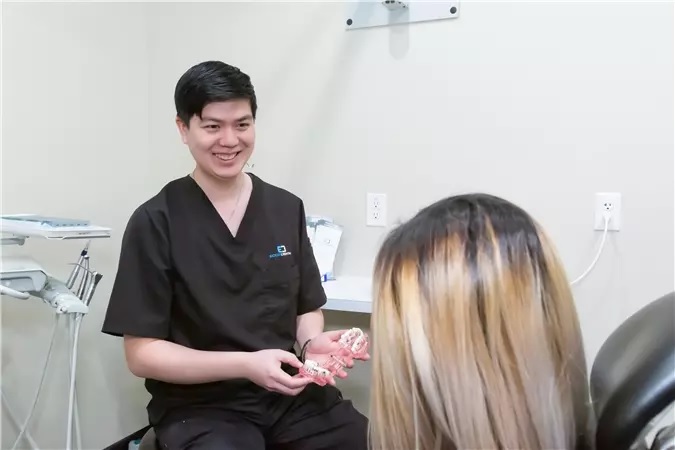
When it comes to restoring damaged teeth, many patients and dental professionals in Houston are turning to advanced restorative options like onlays. But what exactly are onlays, and how can they improve both the strength and appearance of your teeth? At Edge Dental, we help patients understand the benefits of these custom restorations and how they compare to other solutions, such as Houston dental bridges.
Table of Contents
What Are Onlays and How Do They Work?
Onlays are custom-made dental restorations designed to fit over a damaged or decayed portion of a tooth. Unlike traditional fillings that only fill a cavity, onlays cover one or more cusps of the tooth, providing additional protection and support. These restorations are usually made from durable materials such as porcelain, composite resin, or gold, which can withstand normal chewing forces and last for many years when properly maintained.
By bonding an onlay securely to the tooth, dentists restore its structural integrity. This process not only prevents further decay but also strengthens a tooth that may have been weakened by fractures or large fillings. Patients often notice that their treated teeth feel more stable and resilient immediately after the procedure.
How Do Onlays Strengthen Teeth?
One of the most significant advantages of onlays teeth Houston patients receive is the increased strength they provide to compromised teeth. When a tooth suffers from extensive decay or damage, traditional fillings may not offer enough support, leaving the tooth prone to cracking or breaking. Onlays, however, act as a protective cap that reinforces the tooth’s structure.
Here’s how onlays enhance tooth strength:
- Distribute Bite Pressure Evenly: By covering the damaged area and extending over one or more cusps, onlays distribute chewing forces evenly across the tooth. This reduces the risk of fractures and prevents additional wear.
- Preserve More Natural Tooth Structure: Unlike crowns, which often require significant reshaping of the tooth, onlays preserve more of the natural enamel. Preserving the natural structure maintains the tooth’s overall strength and integrity.
- Seal Against Future Decay: Onlays are bonded using strong dental adhesives that create a tight seal. This prevents bacteria from infiltrating the restored area, reducing the likelihood of cavities forming underneath.
How Do Onlays Improve Appearance?
While strength and durability are crucial, cosmetic benefits are another reason many patients at Edge Dental opt for onlays. Modern onlays are crafted from tooth-colored materials like porcelain or composite resin, which blend seamlessly with natural teeth. This ensures a natural, aesthetically pleasing smile.
Some ways onlays improve appearance include:
- Restoring Tooth Contours: Teeth that are chipped, worn, or uneven can be reshaped using onlays. This restores the natural contour and bite alignment, giving teeth a healthier, uniform appearance.
- Natural Shade Matching: Dentists take precise impressions and color matches to ensure the onlay matches the surrounding teeth perfectly. The restoration looks indistinguishable from natural enamel, enhancing overall smile aesthetics.
- Replacing Old Metal Fillings: Many patients seek onlays as a cosmetic alternative to metal amalgam fillings. Onlays provide a more natural look while offering the same or greater strength.
Are Onlays a Better Option Than Houston Dental Bridges?
While Houston dental bridges are commonly used to replace missing teeth, onlays serve a different purpose—they restore and protect existing teeth. Dental bridges involve anchoring a false tooth between neighboring teeth, which can sometimes require altering healthy adjacent teeth. Onlays, however, are conservative restorations that focus on preserving the natural tooth.
Patients considering restorative options often find that onlays are ideal for situations where:
- The tooth is structurally compromised but still has a healthy root.
- There is a need to protect large fillings or prevent further cracking.
- A cosmetic improvement is desired without altering neighboring teeth.
In contrast, dental bridges are typically chosen when a tooth is completely missing, and replacement is necessary for functional and aesthetic reasons. Onlays complement these treatments by maintaining the health of natural teeth and potentially delaying the need for more extensive procedures like crowns or bridges.
What Is the Procedure for Getting Onlays?
The process of receiving an onlay is straightforward and minimally invasive. At Edge Dental, our team ensures every patient is comfortable and informed throughout the treatment. The typical steps include:
- Initial Consultation and Assessment: Your dentist examines your tooth and may take X-rays to assess the extent of damage. They determine whether an onlay is the most suitable option for restoring strength and appearance.
- Tooth Preparation: The dentist removes any decay or old fillings and shapes the tooth to accommodate the onlay. This step is conservative and preserves as much natural enamel as possible.
- Impression or Digital Scan: A precise impression or digital scan of your tooth is taken to create a custom-fitted onlay. This ensures a perfect fit for optimal strength and comfort.
- Temporary Onlay Placement: While the permanent restoration is being fabricated, a temporary onlay protects the tooth.
- Final Placement: Once the onlay is ready, the dentist bonds it to the tooth using a strong adhesive. The restoration is then polished and adjusted for a comfortable bite.
- Follow-Up Care: Regular dental visits ensure the onlay remains secure and the surrounding teeth stay healthy.
How Long Do Onlays Last?
Onlays are designed to be durable, often lasting 10 to 20 years or more with proper care. The longevity depends on factors like oral hygiene, diet, and the amount of stress placed on the teeth. Patients who brush and floss regularly and attend routine dental checkups can maximize the lifespan of their onlays.
Are Onlays Right for Everyone?
While onlays offer significant benefits, they may not be suitable for every patient. They are ideal for individuals who have:
- Moderate tooth damage or decay that doesn’t require a full crown.
- Teeth that have undergone root canal therapy and need reinforcement.
- Desire for a natural-looking restoration.
Patients with severely broken or missing teeth may require other solutions, such as crowns or Houston dental bridges. A consultation at Edge Dental can help determine the best restorative approach for each patient’s needs.
How to Care for Onlays
Caring for onlays is similar to maintaining natural teeth. Patients should:
- Brush twice daily with fluoride toothpaste.
- Floss daily to prevent plaque buildup around the restoration.
- Avoid chewing on extremely hard objects that could damage the onlay.
- Visit the dentist regularly for cleanings and checkups.
With proper care, onlays not only restore strength and function but also maintain an attractive, natural-looking smile.
Conclusion
Onlays are a remarkable dental solution for patients seeking to improve both the strength and appearance of their teeth. By preserving natural tooth structure, providing robust protection against damage, and offering seamless aesthetic results, onlays teeth Houston residents trust at Edge Dental represent a conservative yet highly effective restorative option.
When compared to alternatives like Houston dental bridges, onlays provide a unique combination of durability, cosmetic appeal, and preservation of natural teeth. If you have damaged, weakened, or unsightly teeth, consulting with a qualified dentist about onlays can be the first step toward a stronger, more confident smile.
