
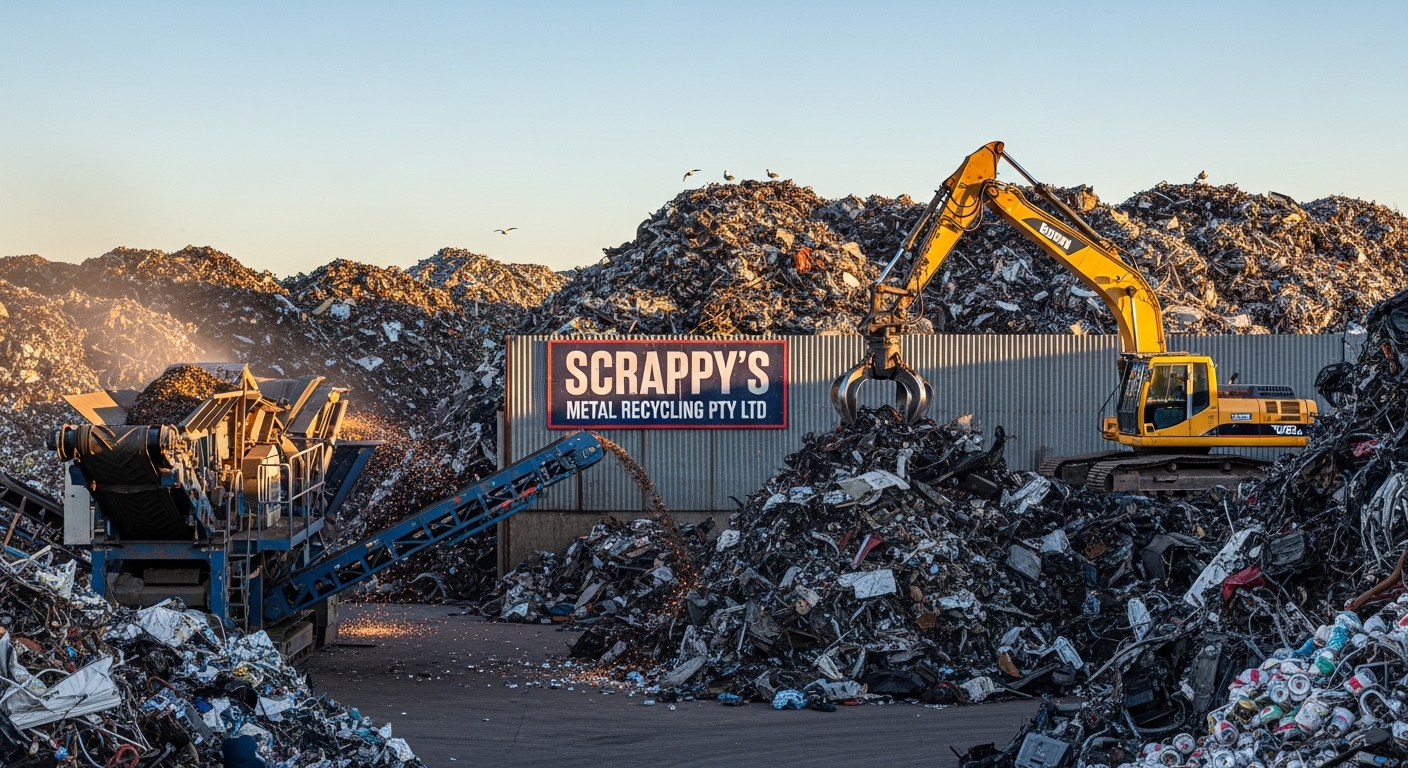
Metal Recycling is fast becoming a cornerstone of sustainable business in Australia. From small workshops in regional towns to large manufacturing plants in the states, turning scrap metal into a resource offers financial, environmental, and social rewards. In this guide we explore why metal recycling matters, how Australian regulations shape the industry, where to find reliable providers, and what steps your business can take today to reap the benefits.
Table of Contents
Why Metal Recycling Matters for Australian Businesses
Australia’s economy relies heavily on mining, construction, and manufacturing – all of which generate large volumes of metal waste. By adopting metal recycling, companies can reduce raw-material costs, lower carbon footprints, and meet growing consumer expectations for responsible sourcing. The practice also creates a secondary market that supports local jobs and reduces pressure on landfill sites.
Financial Gains
- Lower purchase price for recycled steel, aluminium, copper, and other metals compared with virgin material.
- Revenue streams from selling clean scrap to licensed recyclers.
- Potential tax deductions for environmentally-friendly investments under the Australian Government’s “Clean Energy Finance Corporation” incentives.
Environmental Impact
- Reduces greenhouse-gas emissions by up to 90 % for aluminium compared with primary production.
- Decreases the need for new mining, preserving natural habitats.
- Supports Australia’s National Recycling Target of 80 % waste recovery by 2030.
Community and Brand Value
- Shows commitment to local sustainability goals, building trust with customers and partners.
- Creates opportunities for community engagement through recycling drives and educational programs.
- Enhances corporate reputation in a market where “green” choices influence purchasing decisions.
Australian Regulations That Shape Metal Recycling
Understanding the legal landscape is essential for any business that wants to incorporate metal recycling. The main frameworks include the National Environment Protection Measures (NEPMs), state-specific waste-management legislation, and the Australian Standards for scrap handling.
National Environment Protection Measures (NEPMs)
The NEPM for Waste Management sets baseline requirements for the collection, storage, and transport of metal scrap. It mandates that all recyclers hold a licence, keep accurate records, and follow strict contamination controls.
State and Territory Rules
- New South Wales (NSW): The Protection and Conservation of the Environment Act requires businesses to submit a waste-audit report every two years.
- Victoria (VIC): The Environment Protection Act 2017 includes a “resource recovery” clause that encourages the use of recycled metals in construction projects.
- Queensland (QLD): The Waste Reduction and Recycling Act 2011 provides rebates for companies that achieve a 30 % increase in metal recovery.
- South Australia (SA): The Waste Management Act 2016 sets a minimum 70 % metal recycling rate for large manufacturers.
- Western Australia (WA): The Waste Avoidance and Resource Recovery Act 2007 requires detailed tracking of metal scrap from generation to end-use.
Australian Standards
Key standards such as AS/NZS 3833 (Scrap Metal Handling) and AS 3959 (Construction of Buildings in Bushfire-Prone Areas) provide guidance on safe storage, segregation, and fire-risk management for metal scrap.
Finding the Right Metal Recycling Partners in Australia
Choosing a reputable recycler is crucial for compliance, quality, and profitability. Below is a quick checklist to help you evaluate potential partners.
What to Look For
- Valid state licence and compliance with NEPMs.
- Transparent pricing model (per tonne or per kilogram) and clear terms for mixed-metal loads.
- Capability to process a range of metals – steel, aluminium, copper, brass, and specialty alloys.
- On-site shredding or off-site processing facilities that meet AS/NZS 3833 standards.
- Environmental certifications such as ISO 14001.
Key Providers Across the Country
- East Coast Recycling Hub – Sydney, Newcastle, and Brisbane.
- Southern Metal Recovery – Melbourne and Adelaide.
- Western Metal Solutions – Perth and Fremantle.
- Outback Scrap Services – Regional NSW, QLD, and SA.
- National Mobile Units – Offer on-site collection for remote sites.
Competitors and Market Trends
The metal recycling market in Australia is competitive, with both large multinational firms and local family-owned businesses. Recent trends include the rise of “closed-loop” recycling programs in the automotive sector, increased use of digital tracking platforms for scrap provenance, and growing demand for recycled aluminium in packaging.
Implementing a Metal Recycling Program in Your Business
A successful program starts with a clear plan, staff training, and ongoing monitoring. The steps below provide a roadmap that can be adapted to any industry.
Step 1 – Conduct a Waste Audit
Identify the types and volumes of metal waste generated each month. Use simple spreadsheets or a cloud-based waste-management tool to record data. This audit will reveal high-value streams such as copper wiring or aluminium cans.
Step 2 – Set Targets and KPIs
- Target a minimum of 60 % metal recovery within the first year.
- Track cost savings per tonne of recycled metal.
- Measure reduction in landfill tonnage.
Step 3 – Choose Collection Methods
Depending on the size of your operation, you may opt for:
- Dedicated on-site bins for separate metal streams.
- Weekly pick-up by a licensed recycler.
- Mobile shredding services for large volumes.
Step 4 – Train Employees
Provide short workshops on how to sort metal, avoid contamination, and safely handle sharp edges. Emphasise the financial and environmental impact of proper recycling.
Step 5 – Monitor, Report, and Improve
Use the data from your waste audit to generate monthly reports. Compare actual recovery rates against targets, adjust collection schedules, and explore new market opportunities for high-value scrap.
Common Metal Types and Their Recycling Pathways
Different metals have distinct recycling processes and market values. Understanding these pathways helps you maximise revenue and minimise waste.
Steel and Iron
Steel is the most abundant metal scrap in Australia. It is usually shredded, magnetically separated, and melted in electric arc furnaces. Recycled steel can be used in construction, automotive frames, and appliances.
Aluminium
Aluminium recycling saves up to 95 % of the energy required for primary production. The metal is sorted, cleaned, and melted in a furnace at around 660 °C. Recycled aluminium is popular for packaging, windows, and vehicle parts.
Copper
Copper commands a high price due to its conductivity. It is typically separated from wiring, stripped of insulation, and melted in a furnace. Recycled copper finds use in electrical equipment and plumbing.
Brass and Bronze
These alloys are often collected from plumbing fixtures and decorative items. They are melted together with other metals or sold as separate grades to specialty foundries.
Questions and Answers: Common Questions About Metal Recycling in Australia
Q: What licences do I need to start a metal recycling operation in Australia?
A: You must obtain a waste-handling licence from the state or territory environment agency. The licence requires compliance with the NEPMs, regular reporting, and adherence to AS/NZS 3833 standards. Some states also require a separate registration for specific metals such as copper.
Q: Are there any government incentives for businesses that increase metal recycling rates?
A: Yes. The Australian Government’s Clean Energy Finance Corporation offers low-interest loans for projects that reduce emissions, including metal recycling upgrades. Several states provide rebates or tax offsets for achieving higher recovery percentages, such as Queensland’s 30 % increase rebate.
Q: How can I ensure that my metal scrap is processed responsibly?
A: Choose a recycler with ISO 14001 certification and a track record of compliance with state regulations. Ask for a chain-of-custody document that shows where the scrap goes after collection. Regular audits and third-party verification can also provide assurance.
Q: What are the biggest challenges for metal recycling in remote Australian regions?
A: Remote locations face higher transport costs, limited access to licensed facilities, and fewer local collection points. Mobile shredding units and regional partnerships can help overcome these barriers by bringing services closer to the source.
Future Outlook: Metal Recycling in Australia
The next decade will see stronger government targets, more sophisticated tracking technology, and growing demand for recycled metals in high-tech sectors such as renewable energy and electric vehicles. Businesses that embed metal recycling now will be better positioned to meet future regulations and capture new market opportunities.
Key Takeaways
- Metal Recycling reduces costs, cuts emissions, and supports local jobs.
- Compliance with NEPMs and state legislation is essential for legal operation.
- Choosing a licensed, ISO-certified recycler ensures responsible processing.
- Setting clear targets, training staff, and tracking data drive continuous improvement.
- Government incentives and rebates can offset investment costs.
Conclusion: Your Path to a Successful Metal Recycling in Australia
Metal Recycling offers a clear route for Australian businesses to improve profitability while contributing to a greener economy. By understanding the regulatory framework, selecting trustworthy partners, and implementing a structured recycling program, you can turn waste into revenue and meet community expectations. Start with a simple waste audit, set realistic recovery targets, and take advantage of local incentives. With consistent effort, your business will not only save money but also play a vital role in Australia’s transition to a circular economy.
