
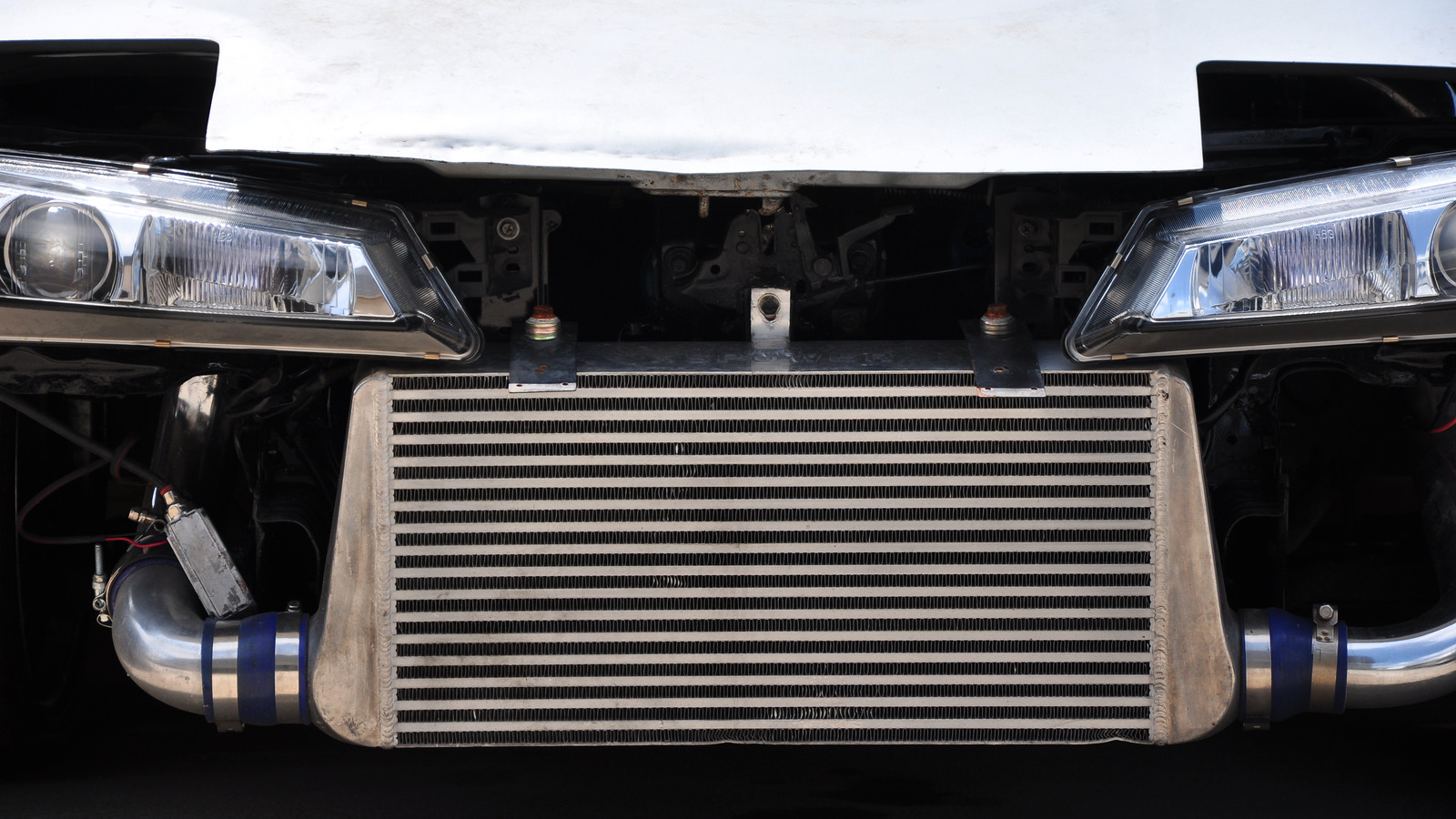
Modern turbocharged and supercharged engines are designed to deliver impressive performance while maintaining efficiency. One of the key components that helps achieve this balance is the intercooler. Intercoolers play a crucial role in cooling the compressed air produced by turbochargers or superchargers before it enters the engine. For drivers and automotive enthusiasts looking to improve performance, performance intercoolers offer an effective upgrade that can enhance power, efficiency, and engine reliability.
Understanding how performance intercoolers work and why they are beneficial can help vehicle owners make informed decisions when upgrading their engine systems. These components are particularly popular among those who want to optimize engine performance while maintaining consistent operating temperatures.
Table of Contents
Understanding the Role of Intercoolers
An intercooler is a heat exchanger designed to reduce the temperature of compressed air before it reaches the engine’s combustion chamber. When a turbocharger compresses air, the air temperature increases significantly. Hot air contains less oxygen, which reduces the efficiency of combustion inside the engine.
Intercoolers cool this compressed air by passing it through a system of tubes and fins that allow heat to dissipate. As the air cools, it becomes denser and contains more oxygen molecules. This denser air allows the engine to burn fuel more efficiently, resulting in improved performance and power output.
Without an effective intercooler, the engine may experience reduced efficiency and increased risk of overheating, especially under demanding driving conditions.
What Makes a Performance Intercooler Different
Performance intercoolers are designed to provide better cooling efficiency than standard factory-installed units. While stock intercoolers are built to meet general performance and cost requirements, aftermarket performance intercoolers focus on maximizing airflow and heat dissipation.
These intercoolers often feature larger cores, improved internal designs, and higher-quality materials. The larger surface area allows more heat to be removed from the compressed air before it enters the engine.
Performance intercoolers are commonly constructed from aluminum because it offers excellent heat transfer properties while remaining lightweight and durable.
Benefits of Upgrading to a Performance Intercooler
Upgrading to a performance intercooler offers several advantages for vehicle owners who want to enhance engine performance and reliability.
One of the most noticeable benefits is improved engine power. By lowering the temperature of the intake air, performance intercoolers allow the engine to receive denser air. This increases the amount of oxygen available during combustion, which can lead to higher power output.
Another benefit is improved engine efficiency. Cooler air allows the engine to operate more effectively, potentially improving fuel combustion and reducing strain on engine components.
Performance intercoolers also help maintain consistent performance during extended driving sessions. Under high load conditions, such as highway driving or spirited driving, engines can generate significant heat. A larger and more efficient intercooler helps prevent performance loss caused by excessive heat buildup.
Additionally, lower intake temperatures can reduce the risk of engine knocking, which occurs when fuel ignites prematurely due to high temperatures. Preventing this issue helps protect the engine and maintain reliable performance.
Types of Performance Intercoolers
There are different types of performance intercoolers available, each designed for specific engine setups and performance goals.
One common type is the front-mounted intercooler. This design places the intercooler at the front of the vehicle where it receives maximum airflow. Front-mounted intercoolers are popular because they provide excellent cooling efficiency and are commonly used in high-performance vehicles.
Another type is the top-mounted intercooler, which is usually positioned above the engine. This design is compact and commonly found in certain vehicle models where space in the front of the vehicle is limited.
Some vehicles use side-mounted intercoolers, which are positioned in the corners of the front bumper area. While these are typically smaller, they can still provide adequate cooling for certain engine configurations.
Choosing the right type depends on the vehicle’s design, available space, and performance requirements.
Factors to Consider When Choosing a Performance Intercooler
Selecting the right performance intercooler requires careful consideration of several factors. Compatibility with the vehicle’s engine and turbo system is the most important factor. The intercooler should be designed specifically for the vehicle model to ensure proper fitment.
Cooling capacity is another important consideration. Larger intercoolers with more efficient cores can remove heat more effectively, but they must also fit within the vehicle’s available space.
Airflow design also plays a significant role. A well-designed intercooler should allow air to flow smoothly through the core without creating excessive resistance. Efficient airflow helps maintain proper boost pressure and engine performance.
Material quality is equally important. High-quality aluminum intercoolers are commonly preferred because they provide excellent heat transfer and durability under demanding conditions.
Installation Considerations
Installing a performance intercooler may require modifications depending on the vehicle and the size of the new component. Some aftermarket intercoolers are designed as direct replacements for factory units, making installation relatively straightforward.
However, larger intercoolers may require adjustments to mounting brackets, piping, or surrounding components. For this reason, professional installation is often recommended, especially for drivers who are unfamiliar with engine modifications.
Proper installation ensures that the intercooler functions efficiently and that airflow is not restricted by improper positioning.
Maintaining Intercooler Performance
Once a performance intercooler is installed, regular maintenance helps ensure optimal performance. Periodic inspections should be performed to check for debris, dirt, or blockages that may restrict airflow.
Cleaning the intercooler fins helps maintain effective heat dissipation. Ensuring that hoses and connections remain secure also prevents air leaks that could reduce system efficiency.
Routine engine maintenance, including proper air filtration and cooling system care, also supports the long-term performance of the intercooler system.
Conclusion
Performance intercoolers play a vital role in improving the efficiency and power of turbocharged and supercharged engines. By lowering intake air temperatures and increasing air density, these components help engines produce greater power while maintaining reliable performance.
Upgrading to a high-quality performance intercooler can provide several benefits, including improved horsepower, better engine efficiency, and enhanced durability during demanding driving conditions. With the right selection, proper installation, and regular maintenance, performance intercoolers can significantly enhance the overall performance of a vehicle.
For automotive enthusiasts and drivers seeking improved engine performance, understanding the importance of performance intercoolers is an essential step toward optimizing their vehicle’s capabilities.
