
Varicose and spider veins are common vascular conditions that affect millions of people worldwide. These visible veins can cause discomfort, pain, and in some cases, more serious health complications. If you are wondering, “What doctor treats varicose veins?”, the answer is a vein treatment specialist. But how exactly do these specialists diagnose these conditions? In this article, we will explore the step-by-step diagnostic process, the tests involved, and why early detection is essential.
Table of Contents
What Are Varicose and Spider Veins?
Before diving into diagnosis, it’s crucial to understand the difference between varicose and spider veins. Varicose veins are enlarged, twisted veins that often appear on the legs. They can be blue or dark purple and may cause aching, heaviness, or swelling in the legs. Spider veins, on the other hand, are smaller, red, blue, or purple veins visible near the surface of the skin. While usually less painful than varicose veins, they can still affect self-esteem and comfort.
Recognizing the signs of these conditions early is important. A vein treatment specialist can help you identify whether your veins are simply cosmetic concerns or indicate underlying venous insufficiency.
How Does a Vein Treatment Specialist Begin Diagnosis?
The first step a vein treatment specialist takes is a thorough medical history and physical examination. The doctor will ask about your symptoms, family history, lifestyle, and any prior vein problems. Questions may include:
- How long have you noticed the veins?
- Do you experience pain, itching, or swelling?
- Do your symptoms worsen after long periods of standing or sitting?
By understanding your history, the specialist can determine potential causes and risk factors for vein disease.
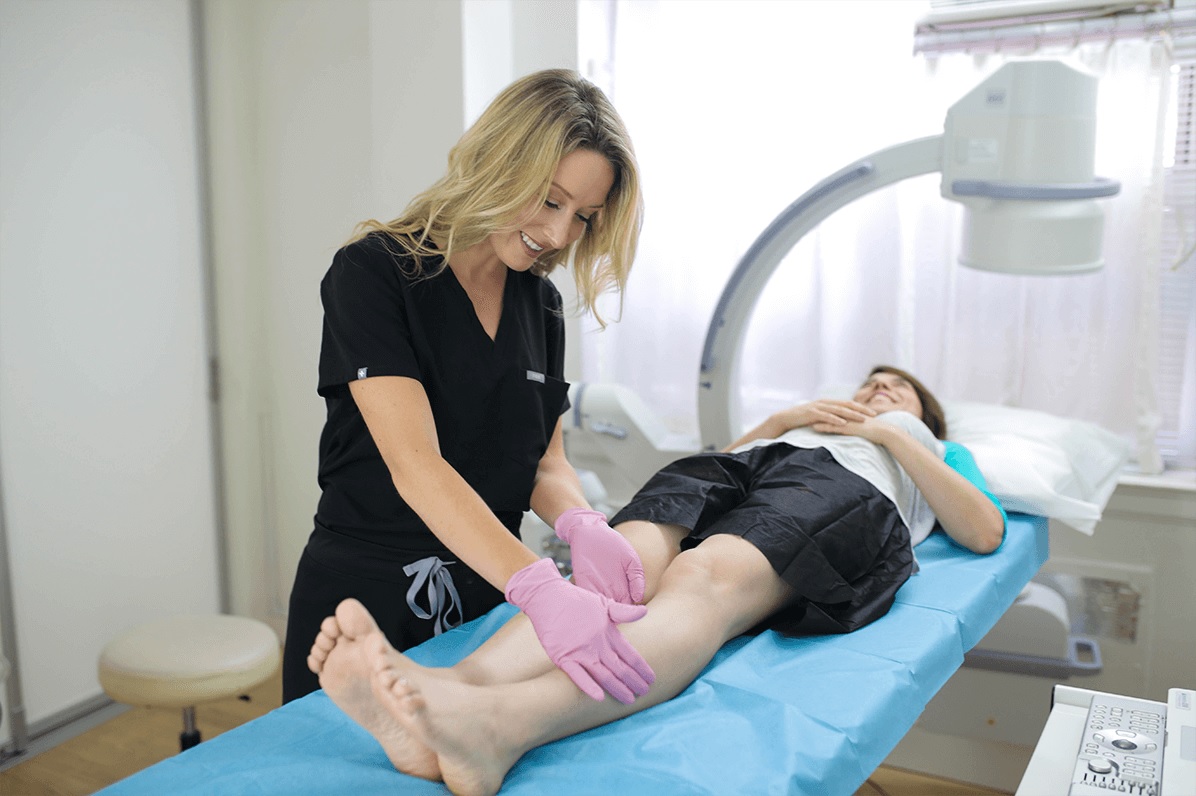
During the physical exam, the specialist inspects the legs while you are standing, as varicose veins are more prominent under the pressure of standing. The doctor may gently palpate the veins to detect tenderness or hardening, which can indicate more serious vascular issues. This initial assessment helps the specialist decide which diagnostic tests are necessary.
What Diagnostic Tests Are Used to Confirm Vein Problems?
After the initial exam, a vein treatment specialist often uses imaging studies to get a detailed view of the veins. The most common test is duplex ultrasound, which is non-invasive and highly effective. This test uses sound waves to visualize the blood flow in the veins and detect any valve malfunctions or blockages.
Duplex ultrasound can determine:
- If blood is flowing backward in the veins (venous reflux)
- The presence of blood clots or deep vein thrombosis (DVT)
- The exact location and severity of varicose veins
In some cases, the specialist may recommend additional tests such as venography, though this is less common and usually reserved for complex cases. Venography involves injecting a contrast dye into the veins to get a detailed X-ray image.
How Do Specialists Differentiate Between Cosmetic and Medical Concerns?
Not all varicose or spider veins require treatment. One of the key roles of a vein treatment specialist is to distinguish between cosmetic issues and veins that could lead to medical complications. Veins that cause pain, swelling, skin changes, or ulcers require more urgent attention. On the other hand, veins that are purely cosmetic may be treated for aesthetic reasons.
During this process, the specialist considers:
- Symptom severity
- Risk factors such as age, pregnancy, or obesity
- Lifestyle factors like prolonged standing or family history of vein disease
This ensures that treatment is personalized, effective, and addresses both medical and cosmetic concerns.
When Should You See a Vein Treatment Specialist?
It’s important to consult a vein treatment specialist as soon as you notice any symptoms of varicose or spider veins. Early intervention can prevent complications such as:
- Chronic venous insufficiency
- Leg ulcers
- Blood clots
- Painful swelling and discomfort
If you’re wondering, “What doctor treats varicose veins?”, the answer is a vein specialist who is trained in diagnosing and managing venous disorders. Waiting too long can make treatment more complex and recovery longer.
What Makes Vein Treatment Long Island a Trusted Choice?
At Vein Treatment Long Island, specialists provide comprehensive diagnostic and treatment services. They use advanced imaging technologies and personalized care plans to ensure accurate diagnosis and effective treatment. Patients receive clear explanations about their condition, the severity of their vein disease, and the most appropriate treatment options.
From minimally invasive procedures like sclerotherapy and endovenous laser therapy to conservative management, the team at Vein Treatment Long Island ensures that each patient receives individualized care. This approach improves outcomes and enhances patient satisfaction.
How Are Treatment Decisions Made After Diagnosis?
Once a diagnosis is confirmed, the vein treatment specialist will create a treatment plan based on the type and severity of your vein condition. For minor spider veins, cosmetic procedures like sclerotherapy may suffice. For more advanced varicose veins, procedures such as endovenous laser ablation, radiofrequency ablation, or surgical vein stripping may be recommended.
The specialist also provides guidance on lifestyle changes that can support vein health, including:
- Regular exercise to improve circulation
- Elevating legs to reduce swelling
- Wearing compression stockings
- Maintaining a healthy weight
These measures, combined with professional treatment, can help manage symptoms and prevent recurrence.
What Are the Advantages of Early Diagnosis by a Vein Specialist?
Early diagnosis by a vein treatment specialist offers multiple benefits:
- Prevention of Complications – Detecting venous reflux early reduces the risk of ulcers, blood clots, and chronic pain.
- Less Invasive Treatment – Early-stage vein disease can often be treated with minimally invasive procedures, reducing recovery time.
- Improved Quality of Life – Treating painful veins enhances mobility, comfort, and self-confidence.
- Better Cosmetic Results – Early intervention can also improve the appearance of the legs, which is important for patients concerned with aesthetics.
By consulting a specialist early, patients gain peace of mind and access to advanced treatment options.
Conclusion
Diagnosing varicose and spider veins is a precise process that involves a detailed medical history, thorough physical examination, and advanced imaging tests. A vein treatment specialist is trained to differentiate between cosmetic and medical concerns, ensuring that each patient receives a personalized treatment plan.
If you’ve noticed visible veins, swelling, or leg discomfort, it’s essential to ask yourself, “What doctor treats varicose veins?” and seek consultation with a qualified vein specialist. For residents of Long Island, Vein Treatment Long Island provides expert care, advanced diagnostics, and personalized treatment plans that ensure lasting relief and improved vein health.
By understanding how vein specialists diagnose these conditions, patients can take proactive steps toward healthier, pain-free legs.
