
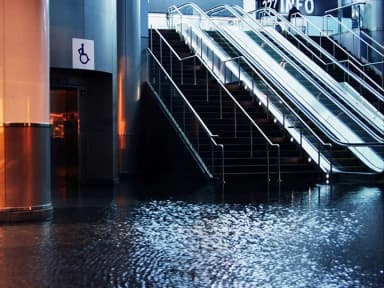
Experiencing an emergency flood can be overwhelming, dangerous, and emotionally exhausting. Whether caused by sudden storms, broken pipes, overflowing rivers, or drainage failures, floodwater can damage your property within minutes and put your safety at serious risk. In such situations, knowing exactly what to do can make all the difference. This guide explains the essential steps to take during an emergency, how to protect yourself and your family, and what actions can help minimize the need for extensive flood damage cleanup later. With the right response, supported by professional help from companies like Ideal Response, you can navigate the situation safely and efficiently.
Table of Contents
Why Should You Stay Calm and Assess the Situation First?
During an emergency flood, your first instinct may be to panic, but staying calm helps you think clearly and act quickly. The initial moments are the most critical, and making informed decisions can prevent injuries and reduce property loss.
Start by assessing the source and severity of the flood. Is it coming from inside your home, such as a burst pipe, or from outside due to heavy rain? Understanding the cause allows you to decide whether shutting off the water supply, moving to higher ground, or seeking immediate evacuation is the safest choice.
Avoid rushing into flooded areas. Even if the water seems shallow, it may hide electrical hazards, slippery surfaces, or sharp debris. Prioritize your safety and that of your loved ones before attempting any protective actions.
Why Should You Focus on Personal Safety Before Anything Else?
Personal safety is the number one priority during any emergency flood. Floodwater can rise rapidly, and conditions can change in seconds. Here are the most important safety measures you should follow:
- Avoid walking through floodwater: Water just a few inches deep can sweep you off your feet.
- Turn off electricity if safe: Before touching any switches, ensure the area is dry. If not, leave this step to professionals.
- Move to higher areas of your home: If water rises indoors, get to an upper level immediately.
- Follow evacuation orders: If authorities advise you to leave, do so without delay.
By keeping safety at the forefront, you reduce the risk of accidents and severe injuries. Companies like Ideal Response emphasize that protecting lives is always more important than protecting possessions—and they are right.
How Can You Protect Your Belongings During an Emergency Flood?
Once you and your family are safe, the next step is to safeguard your belongings as best as possible. While you may not be able to save everything, acting quickly can reduce the extent of flood damage cleanup needed later.
Here are a few steps you can take:
- Elevate valuable items: Move electronics, important documents, and sentimental items to higher shelves or upper floors.
- Unplug devices: Disconnect appliances but avoid touching them if they are wet.
- Seal important papers: Store documents in waterproof bags or containers to prevent irreversible damage.
- Block water entry if possible: Using towels, sandbags, or barriers can help slow down the water flow.
Remember, never put yourself at risk for the sake of belongings. Items can be replaced—your safety cannot.
Why Is It Important to Shut Off Utilities During a Flood?
Utilities like electricity, gas, and water pose serious hazards during an emergency flood. If it is safe to do so, shutting them off can prevent fires, electrocution, and further water damage.
- Electricity: Water and electricity are a dangerous combination. Switching off the main electrical panel (if located in a dry area) can save lives.
- Gas: Flooding can cause gas leaks, increasing the risk of fire or explosion. Turning off the gas supply is crucial.
- Water supply: If the flood is caused by an internal issue, such as a burst pipe, shutting off the water source can limit the damage.
If you cannot safely reach utility controls, leave the property immediately and wait for professionals.
What Should You Avoid Doing During an Emergency Flood?
Certain actions may seem helpful but can put you at serious risk. During an emergency flood, avoid:
- Driving through floodwater: Most flood-related deaths happen in vehicles. Water can stall your engine or carry your car away.
- Touching electrical appliances: Even if the water level is low, electrocution is still a major danger.
- Using contaminated water: Floodwater may contain sewage, chemicals, or harmful bacteria.
- Returning home too soon: Wait until authorities declare the area safe.
Staying aware of these dangers helps you avoid mistakes that could escalate the situation.
What Should You Do Immediately After the Floodwater Starts to Recede?
Once the water level begins to drop, it might feel like the danger is over, but this phase also requires caution. Before beginning any flood damage cleanup, ensure the property is safe to enter.
Here’s what you should do next:
- Inspect from a distance: Look for structural issues such as cracks, sagging floors, or damaged walls.
- Wear protective gear: Gloves, waterproof boots, and masks protect you from contaminants.
- Document the damage: Take photos and videos for insurance purposes.
- Ventilate the area: Open windows and doors to help dry out the space.
Professional cleanup services may be required, especially if mold, sewage, or structural problems are present.
When Should You Contact Professional Flood Damage Cleanup Services?
During and after an emergency flood, professionals can help restore your home safely and efficiently. DIY efforts are often not enough because floodwater contains hazardous contaminants and can cause severe structural issues.
You should contact professionals if:
- Floodwater reached more than a few inches.
- You smell mold or mildew.
- Sewage or chemicals are present.
- Electrical systems may have been exposed.
- Structural damage is visible.
Companies like Ideal Response specialize in rapid flood damage cleanup, using industry-grade equipment and sanitization methods to restore your home to a safe, livable condition.
How Can Preparing Ahead Reduce Future Flood Damage?
Preparation can significantly reduce your risks during an emergency flood. Consider these preventive steps:
- Install sump pumps and maintain them regularly.
- Seal basement walls and foundation cracks.
- Keep drainage systems clear.
- Store valuables in waterproof containers.
- Create an emergency flood response plan.
Being proactive ensures that when the next flood strikes, you are not caught off guard.
Final Thoughts
Knowing what to do during an emergency flood can protect your family, reduce property damage, and make recovery smoother. Staying calm, prioritizing safety, protecting valuables, and contacting professional flood damage cleanup teams like Ideal Response helps you manage the crisis effectively. With the right actions and preparation, you can face the situation with confidence and ensure faster, safer recovery.
