
Have you ever considered what happens when a patient needs to move from their bed to a stretcher? What about those moments when someone who’s been bedridden for weeks needs help standing for the first time? And how do healthcare workers manage these tasks dozens of times each day without injuring themselves or their patients?
These questions might seem straightforward, but the answers involve careful planning, proper equipment, and well-trained staff. Patient transfer aids have become absolutely essential in modern healthcare settings across Australia. From bustling metropolitan hospitals to regional aged care facilities, the right equipment can mean the difference between a safe, dignified transfer and a potentially harmful incident.
In this article, we’ll explore everything you need to know about patient transfer equipment. We’ll break down the different types available, discuss how to choose the right patient transfer stretcher for your facility, and examine common challenges faced in Australian healthcare settings. Whether you’re a facility manager, a healthcare worker, or simply someone interested in understanding this vital aspect of patient care, you’ll find practical insights to guide your decisions. Let’s get stuck into it.
Table of Contents
Understanding Patient Transfer Equipment: The Basics
What Are Patient Transfer Aids?
Patient transfer aids are specialised pieces of equipment designed to help move patients safely from one location to another. This could involve moving someone from their bed to a wheelchair, from a stretcher to an operating table, or simply helping them stand up.
These aids range from simple slide sheets that reduce friction to sophisticated ceiling-mounted hoists that can lift patients effortlessly. Each type serves a specific purpose, and most healthcare facilities require a combination of different aids to meet their patients’ varying needs.
Why Proper Transfer Equipment Is Critical for Staff and Patient Safety
Manual handling injuries are among the most common workplace injuries in Australian healthcare. Without proper equipment, staff members risk back injuries, muscle strains, and long-term musculoskeletal problems. For patients, improper transfers can result in falls, skin tears, and psychological distress.
Investing in quality transfer equipment protects everyone involved. It reduces workers’ compensation claims, decreases staff absenteeism, and most importantly, maintains patient dignity throughout the care process. When transfers feel smooth and controlled, patients experience less anxiety and greater confidence in their care team.
Types of Patient Transfer Aids Every Healthcare Facility Needs
Patient Transfer Stretchers: Features, Benefits, and Best Uses
The patient transfer stretcher remains a cornerstone of hospital equipment. These wheeled beds allow patients to be transported safely between departments, whether they’re heading to radiology, surgery, or a different ward entirely.
Modern stretchers come with features like adjustable heights, side rails, and smooth-rolling castors. Some include built-in scales for weighing patients without additional transfers. The best patient transfer stretcher options also feature radiolucent surfaces, allowing X-rays to be taken without moving the patient.
Transfer Boards and Slide Sheets
Transfer boards are rigid, smooth-surfaced boards that bridge the gap between two surfaces. They’re brilliant for lateral transfers—moving someone from bed to stretcher, for instance. Slide sheets, on the other hand, are low-friction fabric sheets that reduce the effort needed to reposition patients in bed.
Both options are cost-effective and require minimal storage space. They’re particularly useful in facilities where ceiling hoists aren’t available or practical.
Hoists and Ceiling Lifts
For patients with limited mobility, hoists provide a safe lifting solution. Floor-based hoists are portable and can be moved between rooms, while ceiling-mounted track systems offer a more permanent solution that takes up no floor space.
Ceiling lifts are especially popular in aged care facilities and rehabilitation centres. They allow a single carer to safely transfer even heavier patients, reducing the risk of injury significantly.
Transfer Belts and Gait Belts
Transfer belts wrap around a patient’s waist, giving carers a secure handhold during standing transfers or assisted walking. They’re simple, affordable, and incredibly effective for patients who have some mobility but need extra support.
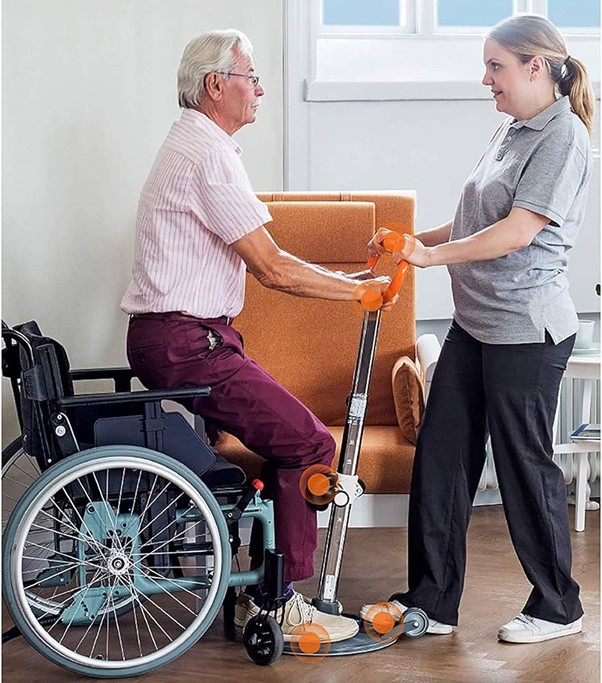
Standing Aids and Sit-to-Stand Lifts
These devices help patients move from sitting to standing positions. They’re ideal for rehabilitation settings where encouraging patient independence is a priority. Many feature platforms for feet and padded knee supports for stability.
How Do You Safely Transfer a Patient from Bed to Stretcher?
Safe bed-to-stretcher transfers require proper technique and appropriate equipment. First, position the stretcher parallel to the bed at the same height, with wheels locked on both. Use a slide sheet or transfer board to bridge the gap.
With enough staff members positioned correctly—typically one at the head, one at the feet, and one or two alongside—coordinate the move using clear verbal cues. The patient should be moved smoothly in one motion, not dragged or pulled. Throughout the process, maintain communication with the patient, explaining each step to reduce anxiety.
Choosing the Right Patient Transfer Stretcher for Your Facility
Key Features to Look For
When selecting a patient transfer stretcher, consider manoeuvrability first. Narrow corridors and tight corners require stretchers with excellent steering capabilities. Look for models with fifth-wheel steering or central locking castors.
Mattress quality matters too. Pressure-relieving surfaces prevent skin breakdown during longer transports. Side rails should be easy to operate yet secure when raised.
Manual vs Electric Stretchers: Which Is Right for You?
Manual stretchers are more affordable and require less maintenance. However, electric stretchers reduce physical strain on staff, as height adjustments happen at the push of a button. For facilities with high patient turnover or limited staffing, electric models often prove their worth quickly.
Weight Capacity and Bariatric Considerations
Australia’s population includes a growing number of bariatric patients. Make sure your stretchers can accommodate higher weight capacities—at least 250kg for standard models, with specialised bariatric options available for heavier patients.
What Equipment Is Used to Move Patients Safely?
Beyond stretchers, safe patient movement relies on a combination of aids. Slide sheets handle repositioning. Hoists manage lifting. Transfer belts assist with walking. Wheelchairs provide seated transport. Each piece plays its part.
The key is matching equipment to patient needs. An assessment should occur before every transfer, considering the patient’s weight, mobility level, pain, and cognitive state. This assessment determines which aids to use and how many staff members are required.
Common Patient Transfer Challenges in Australian Healthcare Settings
Space Limitations in Aged Care Facilities
Many Australian aged care facilities operate in older buildings not designed for modern equipment. Narrow doorways and cramped rooms make manoeuvring stretchers difficult. Ceiling hoists offer one solution, as they don’t require floor space.
Managing High-Risk and Immobile Patients
Patients who cannot assist with their own transfers present greater challenges. They require full mechanical lifting, which means having appropriate equipment readily available and staff trained in its use.
Staff Training and Compliance Requirements
Australian workplace health and safety regulations mandate proper manual handling training. Facilities must provide ongoing education, not just initial instruction. Regular competency assessments help maintain standards.
How Can Healthcare Facilities Reduce Manual Handling Injuries?
Prevention starts with a comprehensive manual handling policy. This includes risk assessments for all transfer activities, provision of appropriate equipment, and a culture that prioritises using aids over manual lifting.
Staff should never feel pressured to perform unsafe transfers. Encouraging workers to speak up about concerns and report near-misses helps identify problems before injuries occur. Regular equipment maintenance ensures aids work properly when needed.
Maintaining and Inspecting Patient Transfer Equipment
Routine Maintenance Best Practices
All transfer equipment requires regular inspection. Check wheels for smooth operation, examine slings for wear, and test electronic components. Keep maintenance logs and schedule servicing according to manufacturer recommendations.
When to Replace Worn or Damaged Equipment
Equipment showing significant wear should be retired immediately. Frayed sling straps, cracked transfer boards, or malfunctioning brakes pose serious risks. The cost of replacement is always less than the cost of an injury.
Making the Investment: Cost Considerations and Long-Term Value
Quality transfer equipment represents a significant investment, but the returns are substantial. Reduced injury claims, lower staff turnover, improved patient satisfaction, and regulatory compliance all contribute to long-term savings.
Consider total cost of ownership, not just purchase price. Durable equipment that lasts longer and requires less maintenance often proves more economical than cheaper alternatives that need frequent replacement.
Prioritising Safety Through the Right Transfer Aids
Patient transfer aids aren’t luxury items—they’re fundamental to safe, effective healthcare delivery. From the humble slide sheet to the sophisticated ceiling hoist, each piece of equipment serves a vital purpose in protecting both patients and staff.
Choosing the right equipment requires careful consideration of your facility’s specific needs, patient population, and physical environment. A patient transfer stretcher that works brilliantly in a modern hospital might be completely impractical in a heritage-listed aged care facility. Taking time to assess your requirements properly saves headaches down the track.
Ultimately, investing in proper transfer aids demonstrates a commitment to safety and dignity. Your staff deserve equipment that protects their health and allows them to do their jobs effectively. Your patients deserve transfers that feel secure, comfortable, and respectful. When you get this right, everyone benefits. So, take a fresh look at your current equipment, identify any gaps, and make the changes needed to create a safer environment for all.
