
Walking into a dojang for the first time brings plenty of questions. You might want to get fitter, learn how to handle yourself if someone grabs your arm on a night out, or give your kids an activity that teaches focus without feeling like a chore.
When you look into traditional Korean martial arts around South East Queensland, you will run into two names almost immediately: Taekwondo and Hapkido.
They share Korean roots, traditional uniforms, and a belt progression system. Yet the moment you watch an actual class, you quickly realize they feel completely different on the mats. One focuses heavily on foot speed and explosive kicking range, while the other lives in close contact, joint manipulation, and redirecting momentum.
Here is a practical, ground-level breakdown of how these two arts work, where they came from, and how to pick the right path for your goals.
Table of Contents
Where Both Arts Come From
To understand why they move so differently, you have to look at what each system was created to do.
Taekwondo took shape in post-war Korea during the 1940s and 1950s. Leaders from different original schools (known as kwans) combined ancient Korean foot techniques like Taekkyeon with elements of Shotokan karate. The goal was to build a standardized, national striking system. Over the decades, organizations like World Taekwondo brought it to the global sporting stage, refining the rules until it became an official Olympic event. Because of that sports evolution, modern Taekwondo prioritizes precision, speed, distance management, and clean point scoring.
Hapkido developed on a parallel track during roughly the same era, shaped largely by the teachings of Choi Yong-sool. Choi spent decades studying Daito-ryu Aiki-jujutsu in Japan before returning to Korea, where he blended those flowing joint controls with native Korean kicking and striking. Hapkido never aimed to become an Olympic tournament event. It was built strictly as a combat and personal defense method for military units, police officers, and regular citizens who needed practical ways to escape grabs, neutralize weapons, and end street encounters without relying on raw muscular strength.
How the Techniques Compare in Real Training
If you stand in the corner of a training hall, the physical differences between the two arts jump out within five minutes.
| Training Element | Taekwondo Training | Hapkido Training |
| Core Distance | Long range, outside striking distance | Close contact, grappling and clinch range |
| Main Weapons | High kicks, spinning kicks, fast punches | Joint locks, wrist twists, sweeps, low kicks |
| Force Dynamics | Direct impact, speed, explosive penetration | Flowing circles, yielding, using attacker momentum |
| Mat Work | Basic breakfalls, feet stay upright | Throws, takedowns, roll recovery, pins |
| Competition | Central part of training for many clubs | Rare, focused almost entirely on self defense drills |
Taekwondo on the Mats
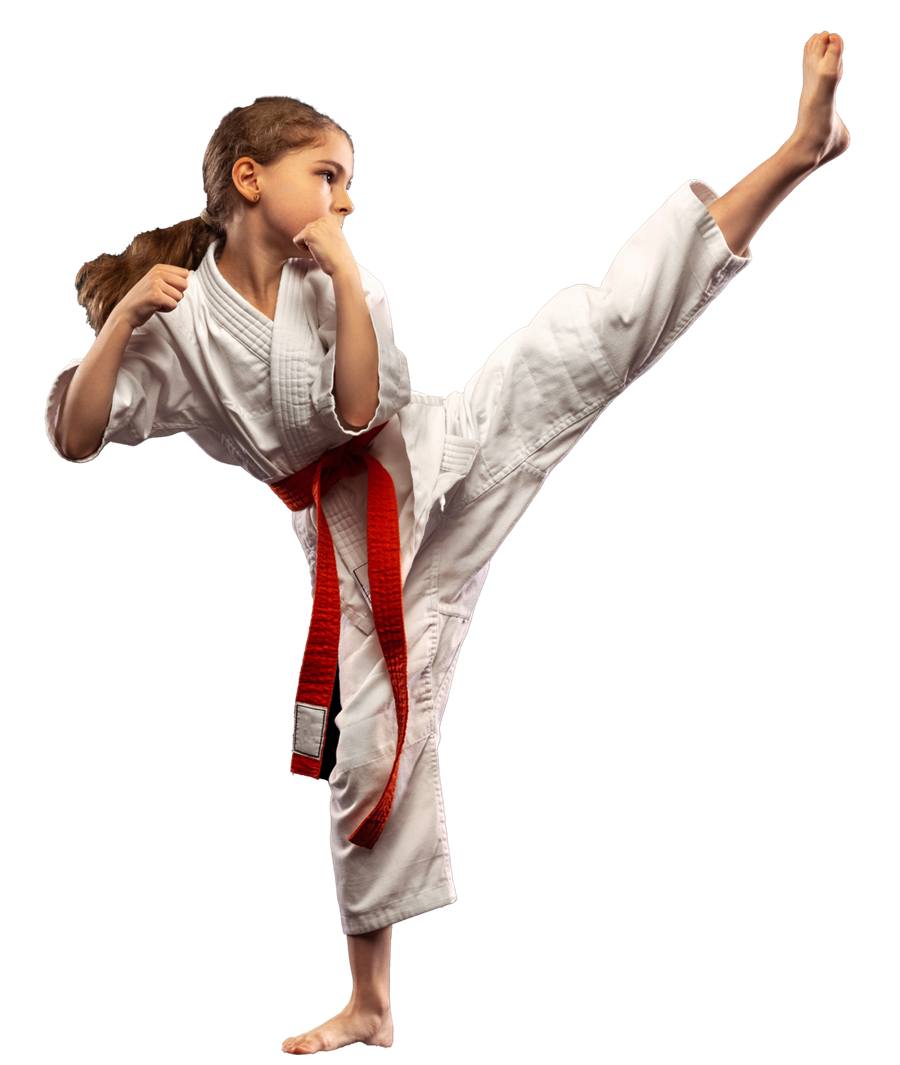
Taekwondo practitioners spend a massive amount of time developing their legs as primary weapons. Since your legs are longer and stronger than your arms, the art builds drills around keeping opponents outside of punching range.
Class routines regularly feature ladder footwork drills, dynamic stretching, pad kicking combinations, and form practice (poomsae). You learn how to fire off a roundhouse kick, spin through a back kick, and reset your stance in a fraction of a second.
Because of the heavy cardio demands and constant footwork, training gives you serious lower-body power, high flexibility, and great cardiovascular endurance. The drawback for pure street defense is that when an encounter gets crowded, such as inside a hallway or an elevator, throwing a clean head kick becomes nearly impossible.
Hapkido on the Mats
Hapkido assumes an attacker will try to grab your clothing, grab your wrists, tackle you, or throw a wild hook punch from close range.
Instead of backing away to set up a kick, a Hapkido student steps inside the attack. The curriculum centers on the three core principles of the art: the circle principle (Won), the water principle (Yu), and the harmony principle (Hwa). You do not block a hard punch by smashing your forearm against it. You guide the strike past your shoulder, control the attacker’s wrist, apply pressure to a pressure point or small joint, and bring them down to the mat using minimal effort.
Training also teaches you nakbeop, which is the art of falling and rolling safely. When you practice throws and sweeping takedowns, knowing how to hit the floor without hurting your wrists, shoulders, or head is essential. For anyone looking to learn hapkido in brisbane, this approach makes the discipline accessible whether you are twenty years old or sixty, because leverage matters far more than size.
Fitness, Conditioning, and Mental Benefits
Both arts change your body and mindset, but they develop physical attributes in distinct ways.
Physical Conditioning Differences
Taekwondo functions like high-intensity interval training. You bounce on your toes, throw rapid combinations against kicking shields, and run through continuous sparring rounds. Your heart rate stays elevated, your leg muscles tone up fast, and your hips loosen up over time.
Hapkido provides a different type of functional conditioning. You build strong forearms and wrists from constant grip work. You strengthen your core and back muscles through repeated twisting, throwing, and floor recovery. Because you work with partners of different weights, you develop real balance and stability under load.
Mental Growth and Daily Focus
Traditional training goes far beyond sweat and sore muscles. Taekwondo reinforces structured discipline through traditional tenets, teaching students patience, respectful etiquette, and persistence through tough physical barriers.
Hapkido builds deep emotional control and situational awareness. When someone grabs your shirt or gets into your personal space, the natural human reaction is to freeze or panic. Hapkido drills desensitize you to close-range pressure, teaching you to stay calm, breathe steadily, and evaluate angles before making a decisive move.
Which Style Should You Start With?
Neither martial art is universally better than the other. The right choice depends entirely on what you want to get out of your time on the mats.
Taekwondo is a great match if you:
- Want an intense cardio workout that burns energy and builds stamina.
- Enjoy the athletic challenge of dynamic kicks and forms.
- Have interest in Olympic-style sport sparring and tournament competition.
- Want to dramatically improve your leg flexibility and balance.
Hapkido is the better fit if you:
- Care primarily about realistic self defense from grabs, holds, and close-range scuffles.
- Want to learn leverage techniques that do not rely on brute strength or high kicks.
- Want a system covering wrist locks, joint breaks, throws, and weapon defense.
- Prefer a cooperative, technical training environment over competitive sports sparring.
Many established Korean martial arts schools teach both disciplines side by side. Training in Taekwondo builds your upright kicking foundation and timing, while adding Hapkido fills in the close-range grappling gaps, giving you a well-rounded skill set for any situation.
Frequently Asked Questions
Yes, and many martial artists do. Taekwondo builds long-range striking instincts, while Hapkido covers infighting and joint manipulation. As long as you practice each system with its own technical mechanics in mind, they complement each other nicely.
Instructors introduce joint locks gradually with controlled partner practice. You learn how to tap out early to signal pressure, and training partners release locks immediately. Safety and mutual respect are standard in every reputable dojang.
No. Most adults start with tight hamstrings and hips. Instructors guide you through regular warm-ups and progressive stretches during each session, allowing your range of motion to open up naturally over time.
In most traditional Korean martial arts schools, dedicated students training two to three times per week typically reach black belt level in three to five years, depending on curriculum requirements and personal consistency.
What should I wear to my first trial class?
Wear comfortable, loose workout clothing such as track pants and a plain t-shirt. Avoid jewelry, watches, or clothing with zippers. Once you decide to enroll, the academy will provide the traditional uniform (dobok) for regular classes.
Taking up a martial art is one of the best investments you can make for your health, confidence, and peace of mind. Whether you love the fast footwork and athletic kicks of Taekwondo or the clever leverage and self defense locks of Hapkido, the most important step is simply walking through the door and trying out a class.
