
Are you tired of watching rainwater pool on your driveway after every storm? Have you noticed your local council tightening up stormwater regulations? Or perhaps you’re simply looking for a more environmentally friendly option for your home’s entrance? If any of these questions resonate with you, permeable driveway paving might just be the solution you’ve been searching for.
Across Australia, homeowners are increasingly turning to permeable driveways as a smart alternative to traditional sealed surfaces. With our changing climate bringing more intense rainfall events alongside prolonged dry spells, managing water on your property has never been more important. Permeable paving offers a practical way to handle stormwater while reducing your environmental footprint.
In this guide, we’ll explore the best materials available for permeable driveways in Australia. You’ll discover how each option performs in our unique climate, what they cost, and which one might suit your property best. Whether you’re planning a complete driveway overhaul or just curious about your options, you’ll find everything you need to make an informed decision.
Table of Contents
What Is Permeable Driveway Paving?
How Does Permeable Paving Actually Work?
Permeable paving is designed to let water pass through the surface rather than running off into drains and gutters. The system typically involves a specially engineered surface layer, a base of aggregate materials, and often a geotextile fabric underneath. When rain falls on the driveway, it filters down through these layers and gradually soaks into the ground below.
This process mimics natural drainage patterns that existed before we covered everything in concrete. The water gets filtered as it moves through the layers, removing pollutants before they reach groundwater supplies. It’s a clever bit of engineering that works with nature rather than against it.
The Difference Between Permeable and Traditional Driveway Surfaces
Traditional driveways are impermeable, meaning water has nowhere to go but sideways. This creates runoff that overwhelms stormwater systems and contributes to localised flooding. Permeable surfaces, on the other hand, absorb rainfall on-site.
The visual difference isn’t always obvious. Many permeable options look just as polished as their traditional counterparts. The magic happens beneath the surface, where water infiltrates rather than pools.
Why Choose a Permeable Driveway for Your Australian Home?
Environmental Benefits in Australia’s Changing Climate
Australia faces unique environmental challenges, and permeable driveways help address several of them. By allowing water to soak into the ground, these systems recharge local groundwater supplies. This is particularly valuable during drought periods when every drop counts.
Plus, permeable surfaces reduce the urban heat island effect. Traditional dark driveways absorb and radiate heat, making suburbs uncomfortably hot in summer. Many permeable options reflect more heat and stay cooler underfoot.
Council Requirements and Stormwater Regulations
Many Australian councils now require or encourage permeable surfaces for new developments. In some areas, you might even receive incentives for retrofitting your existing driveway. Before starting any project, it’s worth checking with your local council about specific requirements and potential rebates.
Long-Term Cost Savings for Homeowners
While the upfront cost can be higher, permeable driveways often save money over time. You may avoid stormwater fees in some council areas. The reduced runoff also means less erosion around your property and fewer drainage problems to fix down the track.
Best Materials for Permeable Driveways in Australia
Permeable Concrete Pavers
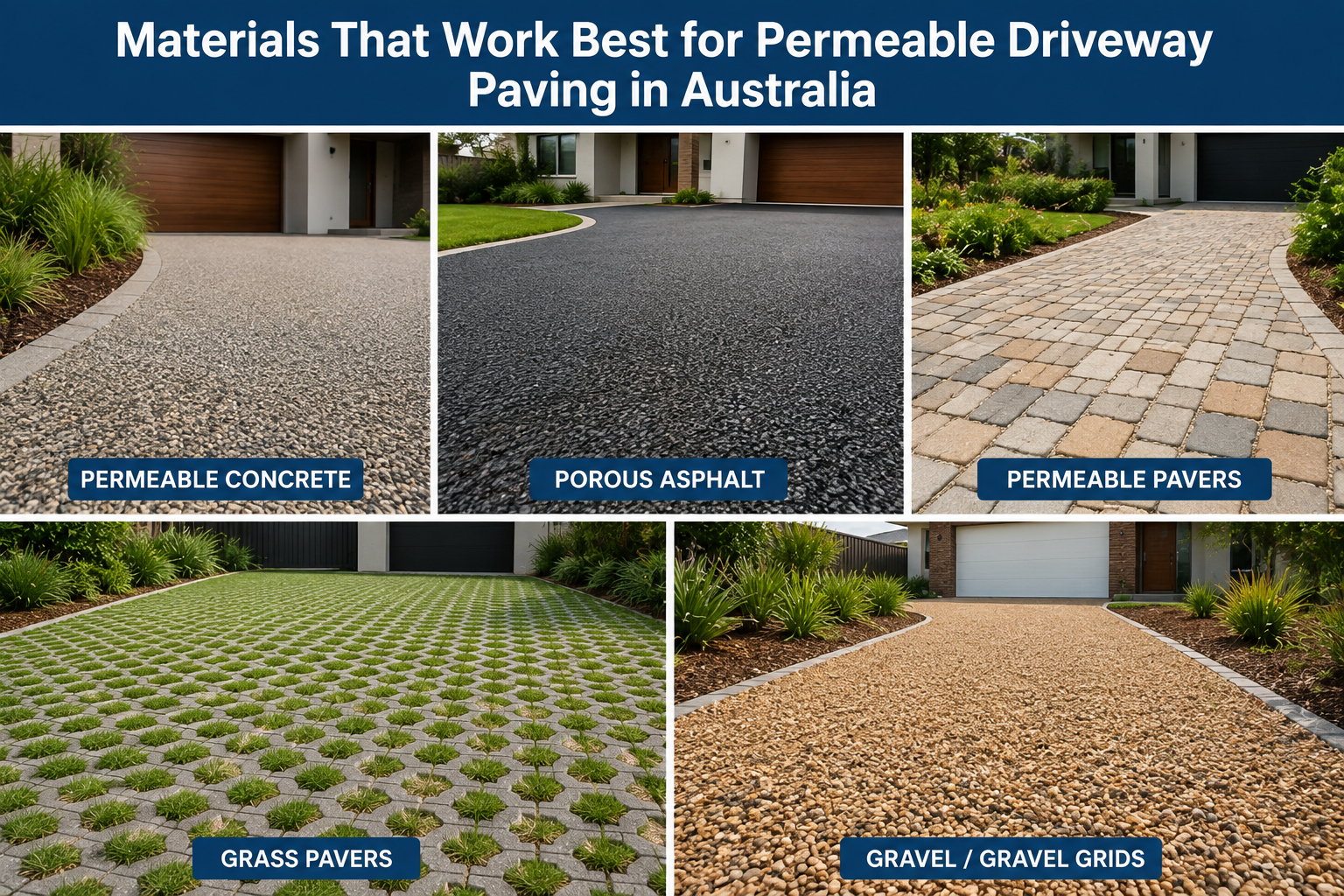
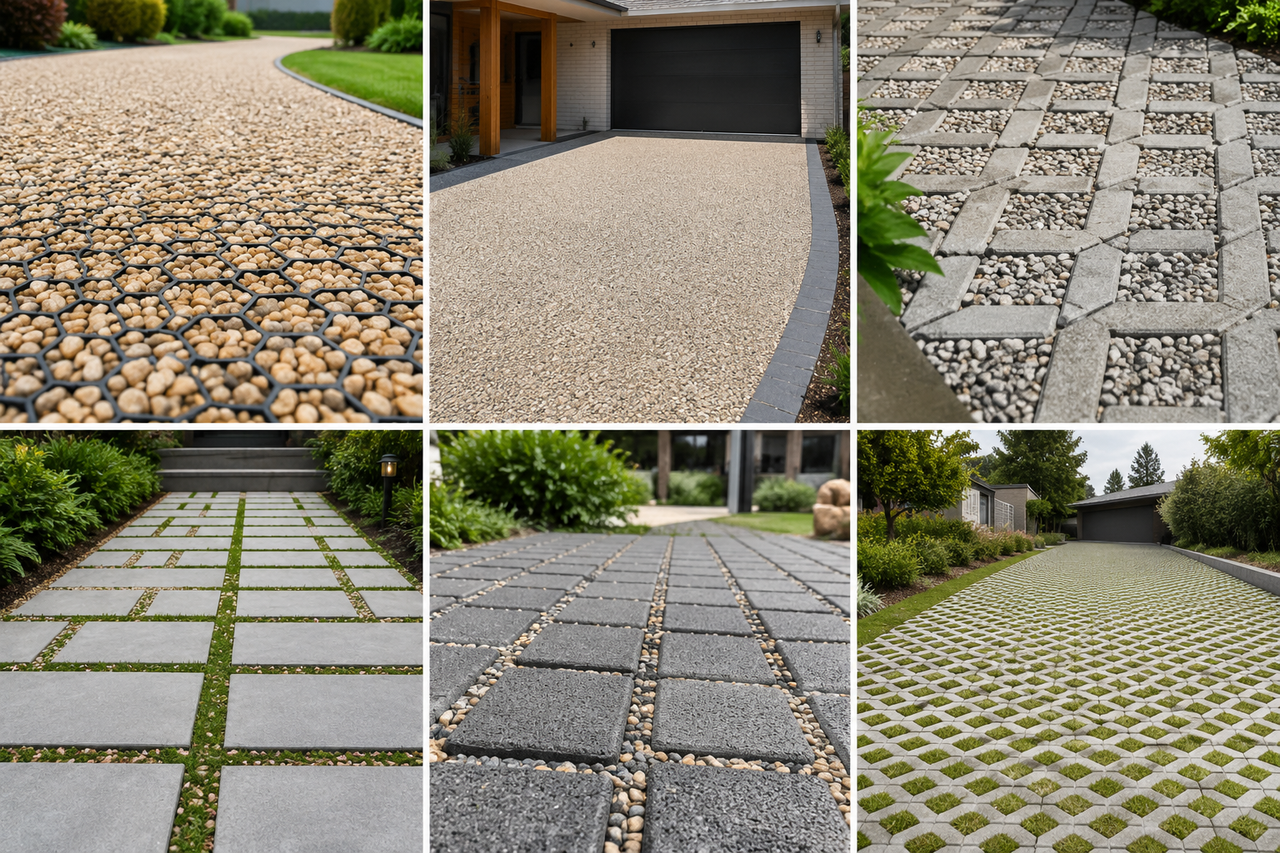
Permeable concrete pavers look similar to standard pavers but feature wider joints filled with gravel or small stones. Water drains through these gaps into the base layer below. They’re incredibly versatile and come in numerous colours and patterns.
These pavers work brilliantly for Australian homes because they handle heavy vehicle traffic while maintaining their appearance. Installation requires professional expertise, but the end result is a durable, attractive driveway that manages stormwater effectively.
Gravel and Crushed Stone
Gravel remains one of the most affordable permeable options available. Crushed stone or decorative pebbles allow water to drain freely while providing a natural aesthetic. This option suits rural properties and homes with a more relaxed, country feel.
The main consideration with gravel is maintenance. Stones can migrate, weeds may appear, and you’ll need to top up material periodically. However, for budget-conscious homeowners, gravel offers excellent drainage at a fraction of the cost of other materials.
Porous Asphalt
Porous asphalt looks like regular asphalt but contains small voids that allow water penetration. It’s particularly popular for larger driveways and shared access ways where a uniform appearance is desired.
This material performs well in heavy rain and handles vehicle traffic with ease. Installation costs sit somewhere between gravel and premium paver options, making it a solid middle-ground choice.
Grass Pavers and Turf Reinforcement Grids
Grass pavers create a green driveway that’s genuinely unique. Plastic or concrete grids hold turf in place while distributing vehicle weight across the surface. The result is a living driveway that looks like a lawn but can handle car traffic.
These systems work best in areas that receive regular rainfall or have irrigation. In drier regions, you might opt for drought-tolerant grass varieties or accept some seasonal browning.
Resin-Bound Gravel
Resin-bound gravel combines natural aggregate with a clear resin binder to create a smooth, porous surface. Water drains through tiny gaps between the stones. The finish looks contemporary and sophisticated, making it popular for modern Australian homes.
This option requires professional installation but delivers excellent results. It’s comfortable to walk on barefoot and stays relatively cool in summer heat.
Recycled Materials and Eco-Friendly Options
For environmentally conscious homeowners, recycled materials offer an excellent choice. Crushed recycled concrete, reclaimed brick aggregate, and other repurposed materials can create effective permeable surfaces.
These options reduce landfill waste while providing all the drainage benefits of traditional permeable materials. Availability varies by region, so check with local suppliers about what’s accessible in your area.
What Is the Most Durable Permeable Paving Material?
When it comes to longevity, permeable concrete pavers generally take the crown. Quality pavers can last 25 to 50 years with proper installation and maintenance. They resist cracking, handle heavy loads, and maintain their appearance over decades.
Porous asphalt also scores highly for durability, typically lasting 15 to 20 years before requiring significant attention. Resin-bound surfaces sit in a similar range, depending on traffic levels and UV exposure.
Gravel, while less expensive initially, requires the most ongoing attention to maintain its appearance and functionality. It’s durable in the sense that it won’t crack, but it does need regular replenishment.
Which Permeable Driveway Material Is Best for Australian Weather Conditions?
Heat Resistance for Harsh Summers
Australian summers are brutal, and your driveway needs to cope. Light-coloured permeable pavers and resin-bound surfaces reflect more heat than dark materials. Grass pavers also stay remarkably cool because the turf doesn’t absorb heat like hard surfaces.
Porous asphalt can soften in extreme heat, though modern formulations handle Australian conditions better than older versions. If you live in a particularly hot region, lighter materials are worth considering.
Performance in Heavy Rainfall and Flooding
All permeable materials handle rain well by design, but some excel in heavy downpours. Gravel and crushed stone offer the highest infiltration rates because there’s no solid surface restricting water flow. Permeable pavers and porous asphalt perform excellently in most conditions.
The key is proper installation with adequate base depth. A well-designed system handles even intense storm events without pooling.
Maintenance Requirements for Permeable Driveways
How Do You Maintain a Permeable Driveway?
Regular maintenance is straightforward. Keep surfaces clear of leaves and debris that could block drainage. Vacuum or sweep permeable pavers annually. Top up gravel driveways as needed and refill joints in paver systems.
Common Issues and How to Prevent Them
Clogging is the main concern. Avoid parking vehicles that drip oil on the surface. Keep surrounding gardens mulched to prevent soil washing onto the driveway. Address weeds promptly before they establish deep roots.
Choosing the Right Material for Your Property
Factors to Consider Before Installation
Think about your budget, aesthetic preferences, and maintenance willingness. Consider traffic levels, local climate conditions, and any council requirements. A professional assessment can help identify the best option for your specific situation.
Matching Materials to Your Home’s Style
Modern homes suit resin-bound surfaces or sleek concrete pavers. Traditional properties often look best with gravel or natural stone alternatives. Grass pavers work wonderfully for properties with established gardens.
Making the Best Choice for Your Australian Driveway
Choosing the right permeable driveway material comes down to balancing your budget, aesthetic preferences, and practical requirements. Each option offers genuine environmental benefits while solving common drainage challenges faced by Australian homeowners.
Permeable concrete pavers emerge as the most versatile choice for most situations. They combine durability, visual appeal, and excellent drainage performance. However, gravel remains unbeatable for budget-conscious projects, while resin-bound surfaces deliver a premium finish that’s hard to match.
Whatever material you choose, you’re making a positive decision for your property and the environment. Permeable driveways represent smart, forward-thinking home improvement that councils increasingly encourage. Take time to research local suppliers, get multiple quotes, and don’t hesitate to ask questions. Your perfect permeable driveway is waiting to be built.
