
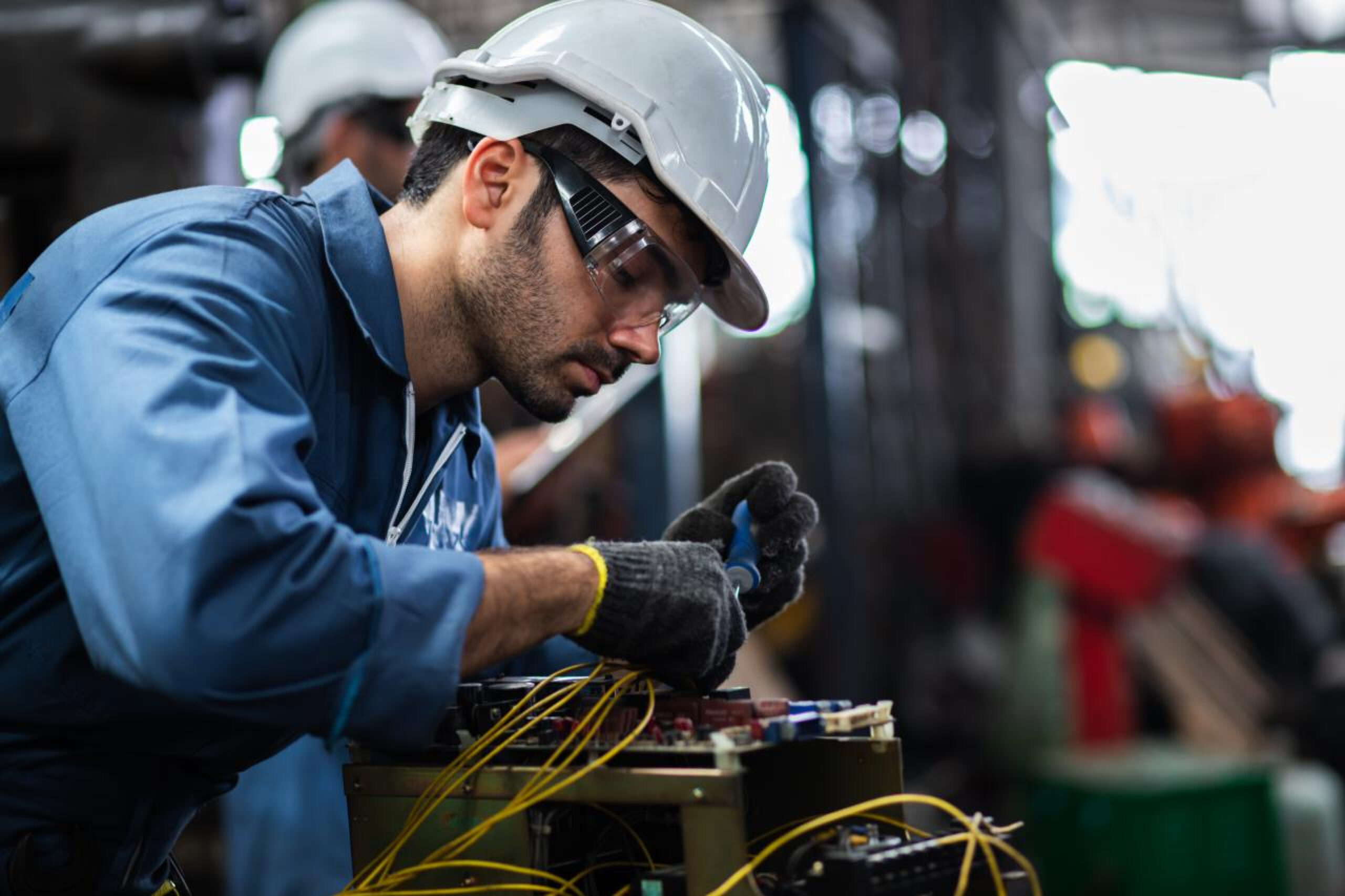
Now, more than ever before, modern commercial properties depend on electricity for the vast majority of their needs. From LED lighting controls and manufacturing equipment, to HVAC systems, electric vehicle charging stations and data centers, the electrical infrastructure for commercial facilities needs to be extremely robust and reliable.
However, a lot of commercial properties are still functioning using dated electrical systems; systems that more often than not, aren’t always capable of adequately supporting the increased requirement for power. This can lead to outages occurring at a growing frequency, equipment failing, hazards from a safety perspective, and significant and expensive downtime.
Recognizing when a commercial facility is in need of modernization, such as an electrical panel upgrade, rewiring, or increased service capacity, can help avoid costly emergencies.
Let’s look at some common indicators of a failing electrical system:
- Regular breaker trips
While it’s not unusual for breaker trips to occasionally occur, when they happen on a regular basis, it’s usually because the system is being forced to carry more electrical load than it’s capable of handling.
- Lights that flicker or dim
If a commercial facility has lights that go off and on, dim, or flicker when equipment is started up, typically points to voltage instability or overloaded circuits.
If your facility has recently added technology or equipment, and is experiencing fluctuating lights, it could be because the underlying electrical infrastructure hasn’t also been upgraded.
- Unexpected powering down of equipment
When electrical circuits become overloaded, equipment may suddenly and unexpectedly power down due to drops in the voltage. Power conditions that are unstable are particularly problematic for sensitive equipment like manufacturing machinery, computers, and refrigeration systems.
- Warm breakers, panels or outlets
When operating under normal conditions, electrical panels, breakers and outlets should never feel overly warm to the touch. If they do feel too warm, the buildup of heat can signify connections that have deteriorated, circuits that are overloaded, or electrical components that are failing, and immediate attention is usually required.
- Components that are discolored or a burning smell
A burning smell coming from any type of electrical equipment is never normal, and could signal electrical arcing or overheated wiring.
Similarly, if you observe any melted insulation, discolored outlets, or scorched electrical components, you should address them without hesitation, as they could become a serious fire hazard.
- Too much reliance on power strips and extension cords
If you’re finding that you need to use power strips and/or extension cords on a regular basis at your commercial facility, there likely aren’t enough outlets or enough circuit capacity. The solution is usually to add extra circuits or subpanels, or a complete service upgrade.
- Buzzing or humming noises
You shouldn’t really hear a normally functioning electrical system, but if electrical panels, outlets or fixtures start making a humming, buzzing or crackling sound, it could mean that a component has failed, or there is excessive current flow.
If any equipment at your commercial facility starts to make noises that aren’t normal, it’s best to have a commercial electrician in London, Ontario come and investigate.
Overloaded commercial electrical systems always put buildings, employees and equipment at risk from electrical fires, and as soon as any of the above mentioned indicators are observed, the issue should be addressed immediately. Failure to do so could result in costly downtime, code violations and a whole host of safety hazards in the workplace.
Plan your electrical upgrades proactively, and you can avoid catastrophic electrical failures.
