
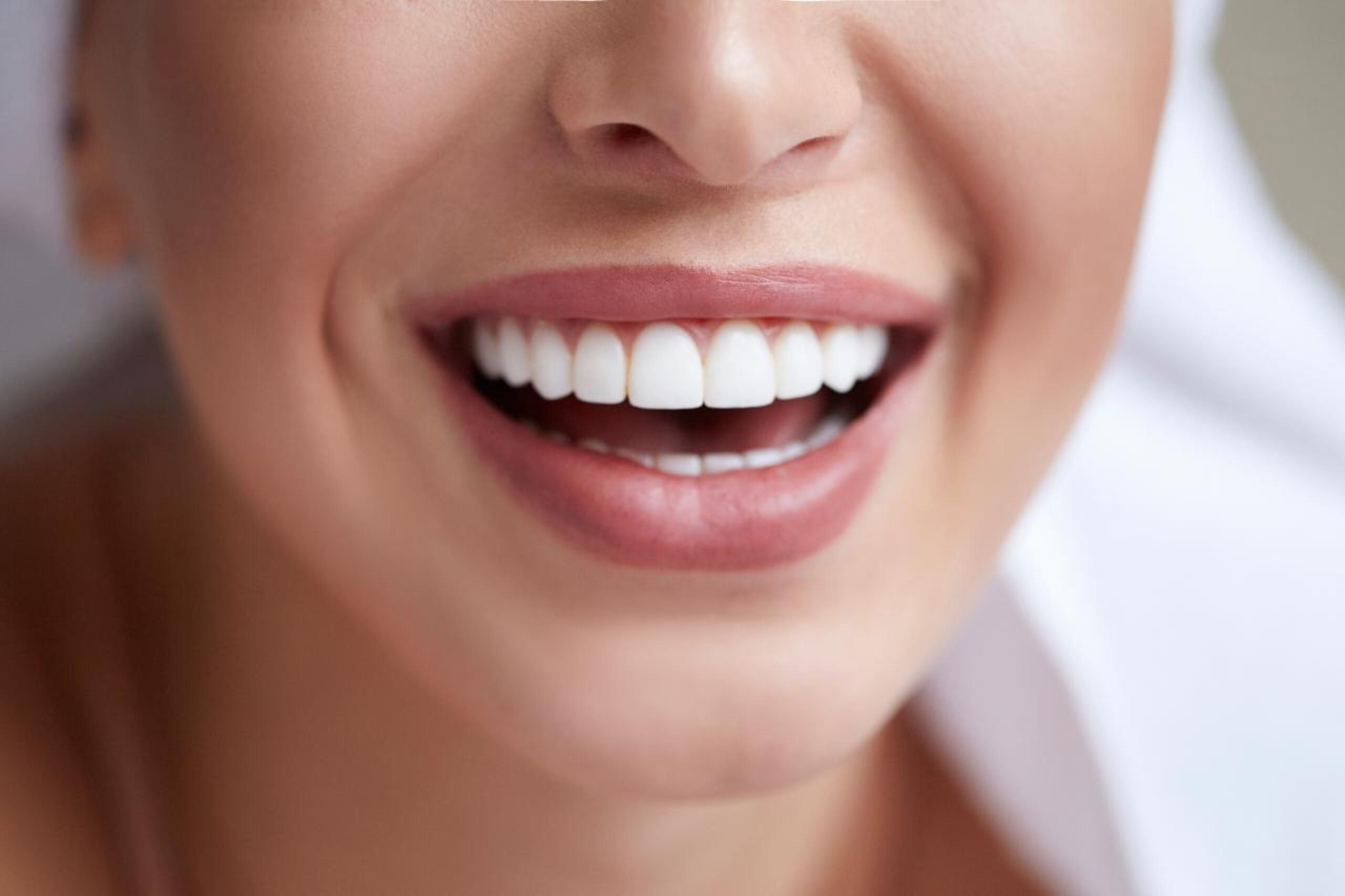
Orthodontic treatment gets discussed almost entirely in aesthetic terms. Straighter teeth, a more confident smile, a better-looking photograph. These are real benefits and there’s nothing wrong with wanting them. But focusing on appearance alone misses the more significant reasons why how your teeth fit together actually matters for your long-term health. The way your upper and lower teeth meet when you close your mouth, what orthodontists call your occlusion, has consequences that extend well beyond how your smile looks in the mirror.
For many patients, pursuing teeth alignment without surgery is about far more than aesthetics. It’s about resolving functional problems that have been quietly affecting their quality of life, sometimes for years, without a clear connection being made between the bite and the symptoms they’ve been experiencing.
Table of Contents
What a Misaligned Bite Actually Does
A bite that doesn’t fit together properly places uneven stress on individual teeth, on the jaw joints, and on the muscles involved in chewing and speaking. Over time, this uneven distribution of force shows up in several ways. Teeth that bear more than their share of load wear down faster than surrounding teeth, creating sensitivity, chipping, and eventually the kind of structural damage that requires restorative treatment. Jaw joints that are under chronic stress can develop into temporomandibular joint disorders, commonly known as TMJ problems, which produce symptoms including jaw pain, clicking, headaches, and in more severe cases, restricted mouth opening.
None of this happens overnight. The effects of a misaligned bite accumulate gradually, which is part of why people often don’t connect their recurring headaches or neck tension to their dental occlusion. By the time the connection becomes obvious, the consequences are already established.
Chewing Efficiency and Digestive Health
The role of chewing in digestion is straightforward but frequently overlooked in conversations about orthodontic health. Teeth that meet properly allow food to be chewed thoroughly before it reaches the stomach. A significant bite discrepancy, whether an overbite, underbite, crossbite, or open bite, compromises chewing efficiency and means food arrives in the digestive system less thoroughly broken down than it should be. For most people this is a minor inconvenience. For others, particularly those with digestive sensitivities, it’s a contributing factor to ongoing discomfort that doesn’t fully resolve until the bite is addressed.
Speech and Breathing
Certain bite patterns affect how sounds are produced during speech. Lisps and difficulty forming particular consonants are sometimes rooted in how the tongue interacts with the teeth and palate, which is in turn shaped by how the bite is aligned. Addressing the underlying bite problem can resolve speech patterns that years of speech therapy alone haven’t fully corrected.
Breathing is another area where bite and jaw development intersect with overall health. A narrow palate associated with certain bite patterns can contribute to restricted nasal airflow, which connects to mouth breathing, poor sleep quality, and in some cases, sleep-disordered breathing. Orthodontic treatment that expands the palate and corrects jaw positioning can improve airway dimensions in ways that have real effects on sleep and daily energy levels.
Why Straight Teeth Without a Correct Bite Is an Incomplete Result
It’s possible to have teeth that look perfectly straight but still have a bite that doesn’t function well. This happens when treatment focuses on tooth alignment in isolation rather than on how the teeth and jaws work together as a system. The result can be aesthetically satisfying but functionally incomplete, which is why the goals of treatment should always include bite correction alongside appearance.
This is precisely where the approach matters. Pitts21 braces in Mississauga at Tropical Orthodontics are designed around achieving both outcomes simultaneously, using bracket technology that works with the natural forces of the teeth and jaw to produce alignment that is functionally correct rather than just visually appealing.
The Long View on Orthodontic Investment
Orthodontic treatment is often thought of as a one-time cost with a cosmetic payoff. The more accurate way to think about it is as a long-term investment in dental health that reduces the likelihood of needing more expensive restorative and corrective work later. Teeth that function correctly wear evenly, are easier to clean, and are less prone to the kind of damage that comes from chronic misuse. Jaw joints that are working within their designed range of motion are less likely to develop the degenerative changes that make TMJ disorders so difficult to manage once established.
Straight teeth are a worthwhile goal. A bite that works properly is a more important one, and the two are not always the same thing.
