
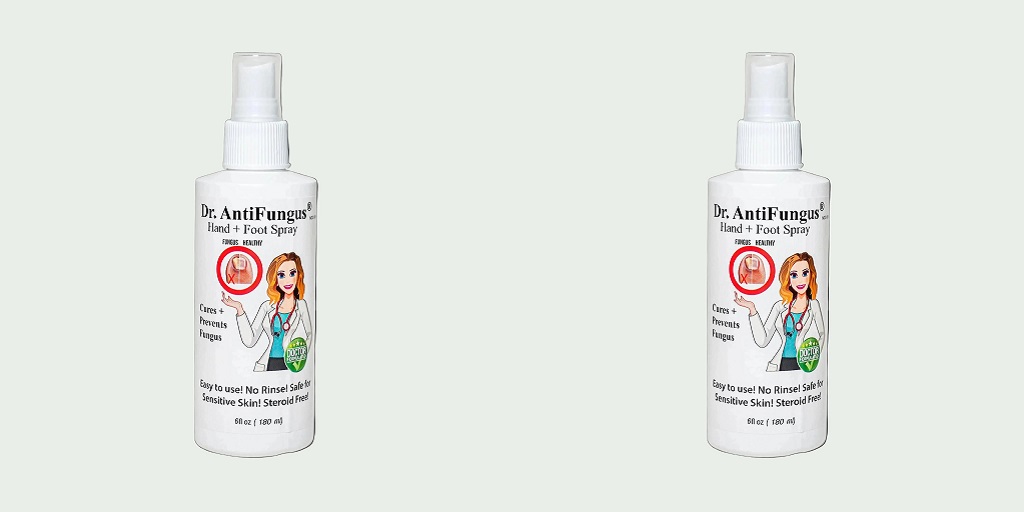
Most people associate athlete’s foot with itchy, sweaty toes. But the same fungus can spread to the hands, creating a condition called athlete’s foot on hands (tinea manuum). While the infection looks similar at first glance, the way it shows up on hands versus feet has key differences—and that’s why “foot-only” solutions often fall short when fungus spreads to new areas.
Table of Contents
How Hands Differ from Feet
Feet usually present with maceration, or soft, soggy skin that breaks down between the toes. Hands, on the other hand, tend to show:
- Dryness that persists despite using moisturizer.
- Scaling across palms or between fingers.
- Red patches that can resemble eczema.
- Cracks or fissures that make skin sensitive.
- Thickened or peeling areas around nails.
Because the environment of the hands is less moist than the feet, treatment should address dry scaling and cracks while still targeting fungal overgrowth.
Why Foot-Only Solutions Fall Short
Most creams and sprays are designed for the moist environment of the feet. While they may help somewhat, they don’t always account for how fungus behaves on the hands. Key gaps include:
- Incomplete coverage on palms and cuticles.
- Formulas that don’t absorb well into dry, cracked skin.
- Products not suited for frequent hand use throughout the day.
- Lack of portability for prevention in shared environments.
- No reinforcement against reinfection from contaminated surfaces.
This is why a hand-tailored antifungal routine is important—especially for active individuals or professionals constantly using their hands.
The Role of Soaks
Soaking remains a gold-standard method for full coverage. Unlike topical creams that may miss crevices, soaks ensure antifungal ingredients reach every surface of the skin. For athlete’s foot on hands, soaking helps:
- Relieve itching, burning, and discomfort.
- Hydrate scaling areas while targeting fungus.
- Treat nails, cuticles, and hidden creases.
- Create a consistent daily routine to support healing.
- Lower the risk of spreading fungus to other body parts.
Daily soaks for 10–15 minutes over 2–4 weeks are often enough to clear symptoms when combined with preventive hygiene.
On-the-Go Protection with Antifungal Spray
For many people, life doesn’t pause for a treatment routine. A quick-drying antifungal spray complements soaks by giving portable protection throughout the day. It’s especially useful in gyms, locker rooms, nail salons, or during travel. Benefits include:
- Spray directly onto clean, dry hands.
- Dries in minutes without residue.
- Kills fungus and prevents further spread.
- Use after soaking or anytime in shared spaces.
- Ideal for active individuals who require additional protection.
By pairing soaks with spray, people can build a complete routine—treating infections at home while preventing reinfection on the go.
Athlete’s foot on the hands requires more than a standard foot cream. Understanding how symptoms differ and using solutions designed for both treatment and prevention makes all the difference. With physician-developed soaks and portable sprays, anyone can restore comfort, protect skin, and stop fungus from spreading.
For clinically proven antifungal solutions trusted by professionals, visit Dr. Anti Fungus online and explore products that target fungus on hands, feet, and nails.
For more information about Antifungal Spray and Is Foot Fungus Contagious Please visit: DR. AntiFungus LLC.
