
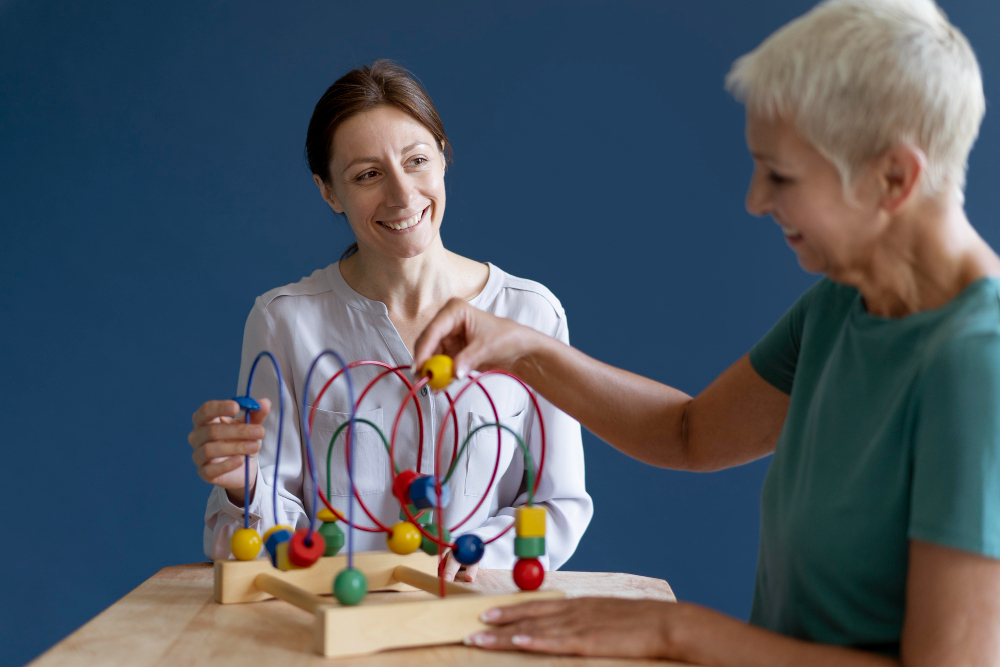
In today’s fast-paced world, health is often measured by physical fitness alone. However, true well-being goes beyond that—it includes the ability to perform daily activities independently and confidently. This is where occupational therapy plays a crucial role. It is a holistic healthcare approach that helps individuals of all ages overcome physical, mental, and developmental challenges to lead more independent and fulfilling lives.
This article explores what occupational therapy is, its benefits, who needs it, and how it can significantly improve quality of life.
Table of Contents
What is Occupational Therapy?
Occupational therapy is a client-centered healthcare profession that focuses on enabling individuals to participate in everyday activities or “occupations.” These activities can include basic tasks such as eating, dressing, and bathing, as well as more complex functions like working, studying, or socializing.
Occupational therapists assess a person’s abilities and limitations and create personalized treatment plans to improve their functional skills. The goal is not just recovery, but also empowerment—helping individuals regain confidence and independence.
Why is Occupational Therapy Important?
1. Promotes Independence
One of the primary goals of occupational therapy is to help individuals perform daily tasks without assistance. Whether it’s a child learning to write or an adult recovering from surgery, occupational therapy supports independence at every stage.
2. Improves Physical and Mental Health
Occupational therapy addresses both physical and psychological challenges. It helps improve motor skills, coordination, and strength, while also supporting emotional well-being and cognitive function.
3. Supports Recovery and Rehabilitation
After injuries, surgeries, or illnesses such as stroke, occupational therapy helps patients regain lost skills and adapt to new ways of performing tasks.
4. Enhances Quality of Life
By enabling individuals to engage in meaningful activities, occupational therapy improves overall life satisfaction and confidence.
Who Can Benefit from Occupational Therapy?
Occupational therapy is beneficial for people of all age groups, including:
Children
Children with developmental delays, learning disabilities, or conditions like autism and ADHD can benefit greatly from occupational therapy. It helps improve fine motor skills, sensory processing, and social interaction.
Adults
Adults recovering from injuries, surgeries, or dealing with chronic conditions such as arthritis can regain independence through occupational therapy.
Elderly Individuals
Seniors often face mobility issues, cognitive decline, or age-related conditions. Occupational therapy helps them maintain independence and safety in daily life.
Conditions Treated with Occupational Therapy
Occupational therapy is used to manage a wide range of conditions, including:
- Autism spectrum disorder
- ADHD
- Stroke and neurological disorders
- Arthritis
- Spinal cord injuries
- Developmental delays
- Mental health conditions such as anxiety and depression
Each treatment plan is customized based on the individual’s specific needs and goals.
Key Techniques Used in Occupational Therapy
1. Activity-Based Therapy
Therapists use everyday tasks as therapeutic activities to improve skills. For example, practicing buttoning a shirt can enhance fine motor skills.
2. Sensory Integration Therapy
This technique is commonly used for children who have difficulty processing sensory information. It helps them respond appropriately to stimuli like sound, touch, and movement.
3. Assistive Devices Training
Occupational therapists teach individuals how to use tools such as walkers, adaptive utensils, or specialized keyboards to improve independence.
4. Cognitive Rehabilitation
This focuses on improving memory, attention, and problem-solving skills, especially in individuals with brain injuries or neurological conditions.
Occupational Therapy in Daily Life
Occupational therapy is deeply integrated into everyday life. It helps individuals:
- Perform personal care activities independently
- Improve handwriting and academic skills
- Return to work after injury
- Adapt to home and workplace environments
- Manage stress and mental health
By focusing on practical, real-life skills, occupational therapy ensures long-term benefits.
Occupational Therapy for Children
Children often benefit significantly from occupational therapy, especially during their developmental years. Therapists work on:
- Fine motor skills (writing, drawing)
- Hand-eye coordination
- Sensory processing
- Social and play skills
Early intervention can make a significant difference in a child’s growth and learning abilities.
Occupational Therapy for Adults and Seniors
For adults and seniors, occupational therapy focuses on maintaining independence and improving quality of life. It includes:
- Rehabilitation after injury or surgery
- Pain management techniques
- Home safety modifications
- Fall prevention strategies
These interventions help individuals continue living independently and safely.
Preparing for Occupational Therapy Sessions
If you are considering occupational therapy, here are a few tips to prepare:
- Set clear goals for therapy
- Share medical history with the therapist
- Be open about challenges and limitations
- Practice recommended exercises regularly
Consistency and active participation are key to achieving the best results.
Benefits of Occupational Therapy
Regular occupational therapy sessions offer numerous benefits:
- Improved independence in daily activities
- Better physical strength and coordination
- Enhanced cognitive and emotional well-being
- Increased confidence and self-esteem
- Reduced risk of injury and complications
These benefits contribute to a more active and fulfilling lifestyle.
Choosing the Right Occupational Therapist
Selecting a qualified professional for occupational therapy is essential for effective occupational therapy. Look for:
- Certified and experienced therapists
- Personalized treatment plans
- Positive patient feedback
- A supportive and comfortable environment
A good therapist will understand your needs and guide you through every step of your recovery journey.
Conclusion
Occupational therapy is a powerful tool that helps individuals overcome challenges and live life to the fullest. Whether it’s helping a child develop essential skills, assisting an adult in recovery, or supporting seniors in maintaining independence, occupational therapy plays a vital role in healthcare.
If you or your loved one is facing difficulties in daily activities, consider exploring occupational therapy. Taking the first step today can lead to a healthier, more independent, and more fulfilling tomorrow.
