
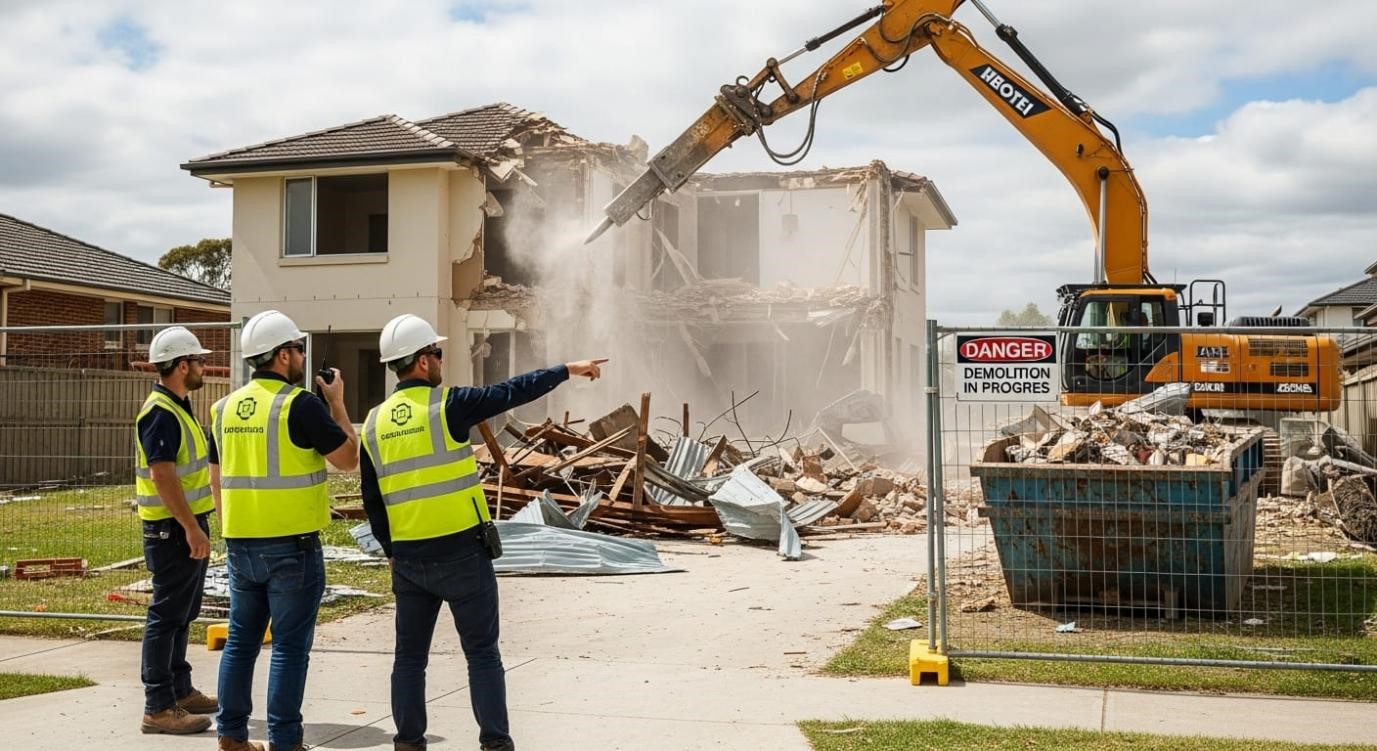
Demolition plays an essential role in modern construction and urban development. Before new buildings, roads, or commercial spaces can be built, existing structures often need to be removed safely and efficiently. This complex process requires professional expertise, specialised equipment, and strict safety procedures. That is where demolition contractors come in.
Table of Contents
Understanding the Role of Demolition Contractors
Demolition contractors are responsible for safely removing buildings and preparing sites for future development. Their work involves much more than simply tearing down structures. Every demolition project requires careful planning and technical expertise.
Key responsibilities of demolition contractors include:
- Inspecting the building and surrounding environment
- Developing a demolition plan
- Securing necessary permits and approvals
- Disconnecting utilities and services
- Using specialised equipment for controlled demolition
- Managing debris removal and recycling materials
- Preparing the land for new construction
These tasks ensure that demolition projects are completed efficiently and safely.
Careful Planning Before Demolition Begins
One of the most important stages of any demolition project is planning. Professional demolition contractors conduct thorough site assessments before any work begins.
Structural Assessment
Before demolishing a building, contractors evaluate the structure to understand its design and materials. This helps determine the safest demolition method.
During this stage, contractors examine:
- Building height and structural stability
- Construction materials used
- Nearby structures and infrastructure
- Access points for demolition equipment
- Potential safety hazards
This detailed assessment allows demolition teams to develop an effective demolition strategy.
Securing Permits and Approvals
Demolition projects must follow local government regulations. Professional demolition contractors handle the permit process to ensure compliance with safety and environmental standards.
Typical requirements may include:
- Demolition permits from local authorities
- Environmental safety approvals
- Waste disposal regulations
- Traffic and noise management plans
Proper documentation prevents project delays and ensures legal compliance.
Demolition Methods Used by Professional Contractors
Different structures require different demolition techniques. Experienced demolition contractors select the best method based on the building’s size, location, and construction materials.
Mechanical Demolition
Mechanical demolition is the most commonly used method. Heavy machinery such as excavators and hydraulic breakers are used to dismantle buildings piece by piece.
This method allows contractors to maintain control while removing large sections of the structure safely.
Selective Demolition
Selective demolition focuses on removing specific parts of a building while leaving other areas intact. This approach is often used in renovation projects.
Benefits of selective demolition include:
- Preserving valuable structural elements
- Reducing waste materials
- Allowing partial building redevelopment
This method requires precision and careful planning.
Deconstruction
Deconstruction involves dismantling buildings in a way that allows materials to be reused or recycled. Contractors carefully remove components such as timber, metal, and bricks.
This environmentally friendly approach helps reduce construction waste and supports sustainable building practices.
Equipment Used by Demolition Contractors
Professional demolition requires advanced machinery designed to handle heavy structures safely.
Common equipment used by demolition contractors includes:
- Excavators with hydraulic attachments
- Bulldozers for debris clearing
- Concrete crushers
- Hydraulic hammers
- High-reach demolition machines
- Dump trucks for debris transport
Modern demolition equipment improves efficiency while reducing risks during building removal.
Safety Procedures in Demolition Projects
Safety is the highest priority in any demolition project. Buildings can collapse unpredictably if demolition is not managed carefully. Professional demolition contractors follow strict safety procedures to protect workers and nearby properties.
Important safety measures include:
- Securing the demolition site with barriers and warning signs
- Providing protective equipment for workers
- Monitoring structural stability during demolition
- Controlling dust and debris with water suppression systems
- Maintaining clear communication between team members
Following these safety practices ensures that demolition projects are completed without accidents or damage.
Environmental Responsibility in Demolition
Modern demolition practices focus on environmental sustainability. Many demolition contractors aim to minimise waste and reduce the environmental impact of construction projects.
Common sustainable practices include:
- Recycling concrete and metal materials
- Reusing timber and building components
- Separating hazardous materials for safe disposal
- Reducing landfill waste through material recovery
These efforts help support eco-friendly construction and responsible resource management.
Efficient Debris Removal and Site Clearing
Once a building has been demolished, large amounts of debris remain on the site. Efficient removal is essential for preparing the area for future construction.
Demolition contractors coordinate debris removal through:
- Sorting recyclable materials
- Transporting waste to approved disposal facilities
- Clearing the site of structural remnants
- Leveling the ground for construction preparation
A clean and well-prepared site allows construction teams to begin building activities without delays.
Preparing the Site for Future Development
After demolition and debris removal are completed, the final step involves preparing the land for construction. This process may include:
- Removing foundations and underground structures
- Compacting the soil for stability
- Ensuring proper drainage conditions
- Creating safe access routes for construction equipment
These steps ensure that the site is ready for the next stage of development.
Benefits of Hiring Professional Demolition Contractors
Working with experienced demolition contractors provides many advantages for property owners and developers.
Improved Safety
Professional teams follow strict safety guidelines that reduce the risk of accidents during demolition.
Faster Project Completion
Experienced contractors use efficient equipment and planning strategies to complete demolition projects quickly.
Regulatory Compliance
Professionals understand local regulations and ensure all demolition activities meet legal requirements.
Responsible Waste Management
Contractors handle debris disposal and recycling responsibly, helping protect the environment.
The Growing Importance of Demolition in Urban Development
As cities continue to grow and modernise, older buildings are often replaced with new developments. Demolition plays a critical role in urban redevelopment projects.
Professional demolition contractors help transform outdated structures into opportunities for new housing, commercial spaces, and infrastructure.
Their expertise ensures that building removal is performed safely while supporting future construction projects.
Conclusion
Demolition is an important step in the construction process, requiring careful planning, specialised equipment, and strict safety procedures. Professional demolition contractors ensure that building removal is completed safely, efficiently, and in compliance with regulations.
