
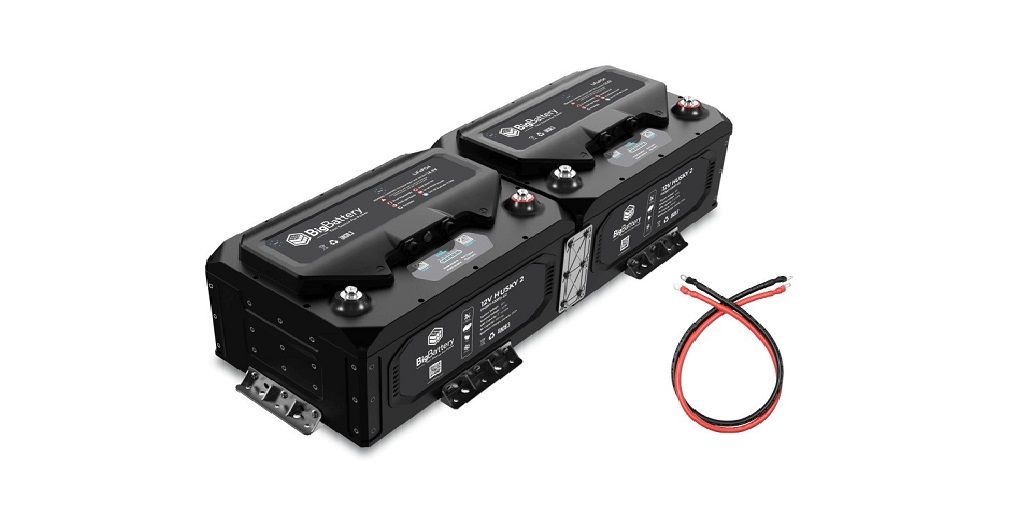
If you’ve ever walked through a resort, a university campus, or even a large warehouse, you’ve probably noticed one thing: golf carts are everywhere. They move staff, supplies, and sometimes even guests across long distances quickly and efficiently. For these organizations, carts are an essential part of daily operations. But keeping them running smoothly depends on one critical component: the battery. More and more businesses are discovering that upgrading to a rechargeable lithium battery is the smartest move they can make.
Table of Contents
The Demands of Daily Cart Use
Golf carts in commercial or institutional settings face a much heavier workload than those used on a golf course or in a neighborhood. At a resort, staff may run carts nearly nonstop to transport luggage and deliver services. On a university campus, maintenance crews rely on carts to cover large areas quickly. In warehouses, carts move workers and tools across long aisles all day long.
The constant use puts stress on both the cart and its battery. Traditional lead-acid batteries can’t always keep up. They’re heavy, take hours to recharge, and lose performance as the day goes on. For businesses that can’t afford downtime, these weaknesses are costly.
Why Lead-Acid Falls Short
Lead-acid batteries have been the standard for decades, but their limitations are hard to ignore:
- Lead-acid batteries add significant weight to carts, reducing efficiency and putting more strain on motors and suspension systems.
- A full recharge can take up to 8 hours, leaving carts out of service for entire shifts.
- Even with proper care, lead-acid batteries typically last 2–4 years before requiring replacement.
- Flooded models require regular water checks, cleaning, and corrosion prevention. Neglecting these steps leads to premature failure.
- As they discharge, voltage drops. That means carts lose power and performance before the battery is even empty.
- Draining a lead-acid battery below 50% regularly shortens its life drastically, leaving less usable capacity.
For organizations that rely on carts every day, these downsides affect not just efficiency but also the bottom line.
The Case for a Rechargeable Lithium Battery
Lithium technology is changing the way businesses think about powering their fleets. A rechargeable lithium battery offers several advantages that directly address the challenges of lead-acid systems:
- Lithium packs weigh far less than lead-acid, reducing strain on carts and improving efficiency.
- Many lithium batteries recharge in a fraction of the time, often within just a few hours. Some can even handle partial charging during short breaks without damaging the cells.
- Lithium delivers consistent power output until nearly empty, so carts don’t slow down at the end of a shift.
- With thousands of cycles, lithium batteries last years longer than traditional options.
- No water checks, no corrosion, no venting—just reliable power with minimal upkeep.
These benefits make lithium not only a performance upgrade but also a cost-effective investment for businesses managing large fleets.
Real-World Impact on Operations
The difference isn’t just theoretical. It plays out in daily operations:
- A resort running dozens of carts for staff and guest transport sees fewer delays and happier guests when vehicles don’t need constant charging.
- A warehouse keeps productivity high when carts can run full shifts without slowing down or going offline for maintenance.
- A university campus reduces labor costs when maintenance crews spend less time managing batteries and more time on essential work.
In every case, switching to lithium means smoother workflows and fewer headaches. Visit BigBattery online today and find your next lithium batteries!
For more information about Golf Cart Battery and All-In-One Solar Battery Please visit: BigBattery.
