
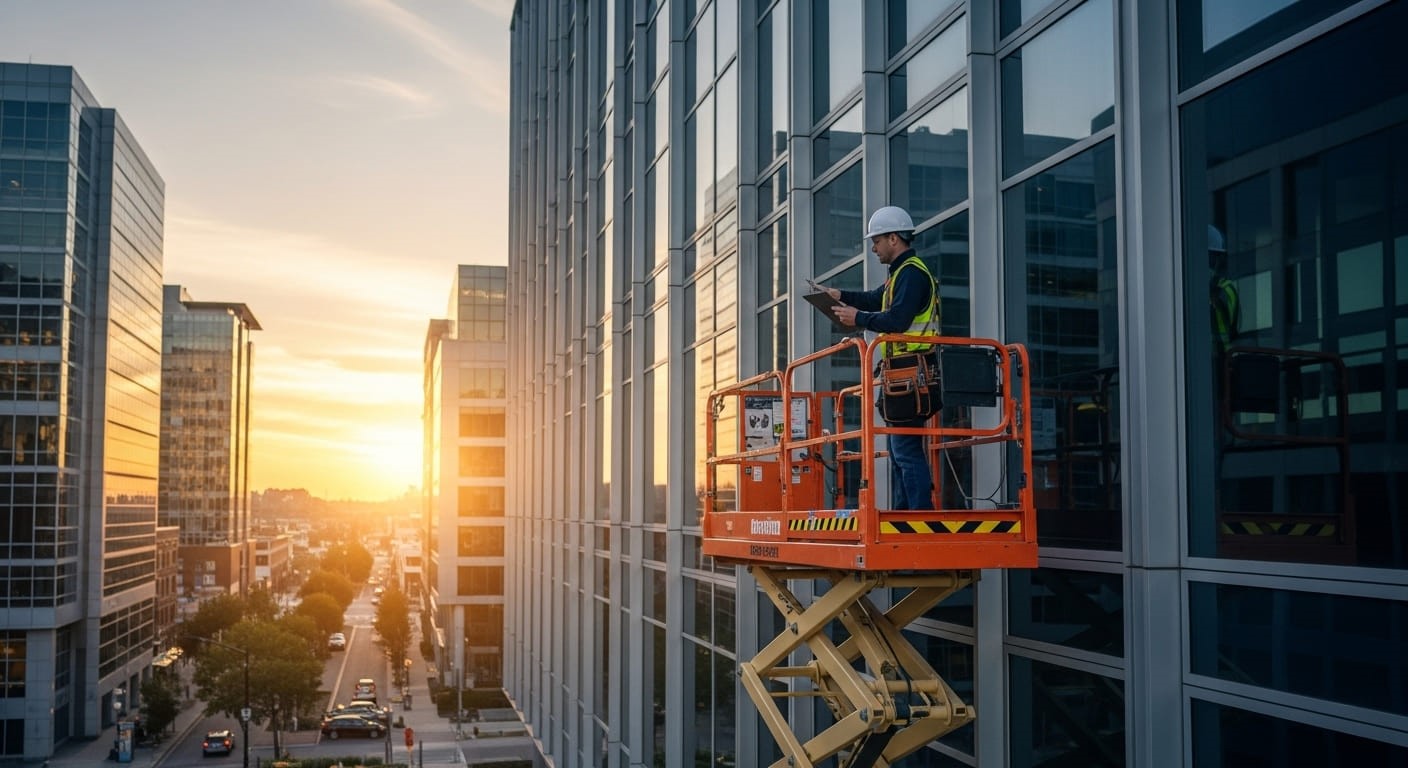
Managing a commercial building in Australia is a complex juggling act. You have tenants to keep happy, safety regulations to meet, and a budget to balance. Whether you oversee a high-rise office in the Melbourne CBD, a sprawling industrial park in Western Sydney, or a retail centre in Brisbane, the physical condition of your asset dictates its value. Neglect leads to expensive emergency repairs, while a proactive approach ensures smooth operations and long-term profitability.
This is where strategic commercial property maintenance comes into play. It is not just about fixing a leaky tap when someone complains. It is about anticipating problems before they arise. By adopting a “pro” mindset, you shift from a reactive state of constant firefighting to a proactive state of control.
To help you streamline your operations and protect your investment, we have compiled ten essential tips that facility managers and property owners use to keep their buildings in peak condition year-round.
Table of Contents
1. Audit Your Assets Thoroughly
You cannot maintain what you don’t know you have. The first step in any professional plan is a comprehensive asset audit. Walk through your property with a critical eye. List every major component: the HVAC (heating, ventilation, and air conditioning) units, the roof membrane, the fire safety systems, the electrical switchboards, and the plumbing infrastructure.
Note the age, condition, and warranty status of each item. This register becomes your roadmap. It tells you that the air conditioning unit is fifteen years old and likely needs replacement soon, allowing you to budget for it next year rather than being shocked by a failure in the middle of summer.
2. Prioritize Preventative Maintenance (PPM)
The golden rule of commercial property maintenance is prevention. Scheduled servicing is far cheaper than emergency repairs. Implement a Planned Preventative Maintenance (PPM) schedule.
- Quarterly: Service HVAC filters, check pest control stations, and inspect automatic doors.
- Bi-Annually: Clean roof gutters (crucial before Australian storm seasons) and inspect fire exits.
- Annually: Test emergency lighting, certify anchor points for roof access, and review electrical safety switches.
PPM extends the lifespan of your equipment and ensures you remain compliant with Australian Standards.
3. Understand Your Compliance Obligations
In Australia, commercial landlords have strict legal duties. Ignoring these can lead to massive fines or legal action if an accident occurs. Your maintenance plan must prioritize compliance tasks.
This includes Essential Safety Measures (ESM) like fire hydrants, extinguishers, and smoke alarms. It also covers Annual Fire Safety Statements (AFSS), lift certifications, and backflow prevention device testing. Treat these dates as non-negotiable deadlines in your calendar.
4. Budget for the Unexpected
Even with the best plan, things break. A storm might damage the roof, or a pipe might burst overnight. A professional budget includes a contingency fund—often called a “sinking fund” or operational reserve.
Allocate a percentage of your rental income specifically for these unplanned events. Having this cash reserve means you can approve emergency repairs immediately without scrambling for funds, minimizing disruption to your tenants.
5. Vet Your Contractors Rigorously
Your maintenance plan is only as good as the people executing it. Building a reliable network of tradespeople is vital. Don’t just pick the first name on Google.
- Check Licenses: Ensure plumbers, electricians, and builders hold valid state-based licenses.
- Verify Insurance: They must have Public Liability and Workers Compensation insurance.
- Ask for References: Speak to other facility managers they have worked for.
Establishing a relationship with a trusted provider like MMP Projects often simplifies this, as they can manage multiple trades under one roof, ensuring consistent quality and accountability.
6. Embrace Technology
The days of managing commercial property maintenance with a spreadsheet and a filing cabinet are over. Property management software allows you to track work orders, schedule PPM tasks, and store compliance certificates in the cloud.
These systems can send automated reminders when a service is due. They also allow tenants to log maintenance requests directly, providing transparency and speed. Investing in the right tech stack saves hours of administrative work every week.
7. Communicate with Your Tenants
Tenants are your eyes and ears on the ground. They notice the flickering light or the door that sticks before you do. Foster an open line of communication.
Let them know when maintenance is scheduled. If the water needs to be turned off for plumbing work, give them ample notice. A tenant who feels informed and cared for is more likely to renew their lease and treat the property with respect.
8. Focus on Energy Efficiency
Maintenance is an opportunity to improve performance. When replacing old lights, switch to LEDs. When servicing the HVAC, check if the settings are optimized for the season.
Improving the energy efficiency of your building reduces operational costs (outgoings), which is a huge selling point for potential tenants. In Australia, a high NABERS (National Australian Built Environment Rating System) rating increases the value and appeal of your commercial asset.
9. Inspect the Exterior Regularly
Curb appeal matters in commercial real estate. A faded facade, overgrown landscaping, or cracked pavement sends a negative signal to customers and clients.
Include exterior checks in your plan. Look for:
- Building Wash-downs: Removing salt spray and pollution preserves paintwork.
- Line Marking: Ensure car park lines are visible for safety.
- Gutter Cleaning: Prevent water ingress during heavy rains.
10. Review and Refine Annually
A maintenance plan is a living document. At the end of each financial year, review what worked and what didn’t. Did you overspend on plumbing? Maybe it is time to reline the pipes rather than patching them. Did a specific contractor let you down? Time to find a replacement.
Adjust your budget and your schedule based on the real-world data from the past twelve months. Continuous improvement is the hallmark of a professional approach to commercial property maintenance.
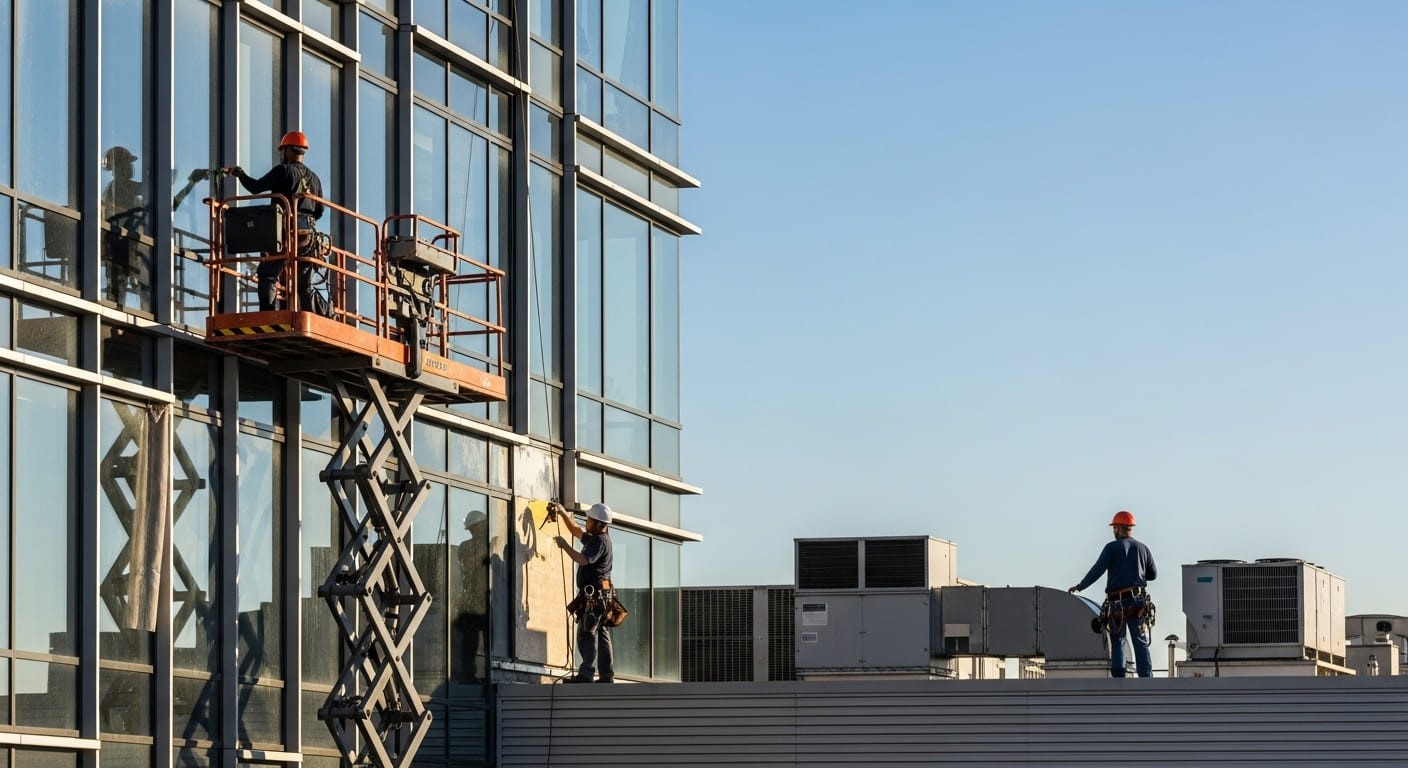
Questions and Answers: Common Questions About commercial property maintenance in Australia
Q: Who is responsible for maintenance, the tenant or the landlord?
A: This depends on the lease agreement. generally, the landlord is responsible for structural repairs and capital items (roof, walls, base building services like lifts and main HVAC). The tenant is usually responsible for the maintenance of their specific fit-out and internal finishes. However, in a “net lease,” the tenant might pay for the maintenance of base building services via outgoings. Always refer to the specific commercial lease contract.
Q: How much should I budget for maintenance per year?
A: A common rule of thumb in the industry is to budget between 1% and 4% of the property’s capital value annually for maintenance and capital expenditure (CapEx). Older buildings will naturally sit at the higher end of this scale, while newer builds might require less.
Q: What are Essential Safety Measures (ESM)?
A: ESMs are the safety features required in a building to protect occupants in an event like a fire. This includes fire doors, hose reels, hydrants, exit signs, and smoke control systems. In Australia, the building owner is legally responsible for ensuring these are maintained and functional at all times.
Q: Can I do the maintenance myself?
A: While you can manage the process, you cannot legally perform most of the work yourself. Electrical, plumbing, fire safety, and work at heights require licensed professionals. Attempting DIY on regulated systems not only risks fines but also voids your insurance and endangers lives.
Q: How often does a commercial roof need inspecting?
A: In Australia, we recommend at least twice a year. Ideally, inspect once before winter and once after autumn (to clear leaves). Additionally, check the roof after any severe storm or hail event. Catching a blocked box gutter or a loose flashing early prevents massive internal water damage.
Conclusion: Your Path to a Successful commercial property maintenance in Australia
Managing a commercial asset is a marathon, not a sprint. The decisions you make regarding upkeep today will determine the profitability and safety of your building five or ten years down the track. By moving away from reactive chaos and embracing a structured, proactive plan, you protect your investment and your peace of mind.
These ten tips provide a solid framework. From auditing your assets to vetting your contractors, each step adds a layer of security to your operations. Commercial property maintenance is about stewardship. It is about ensuring the environment you provide is safe, compliant, and efficient for everyone who walks through the doors.
