
Older homes have charm that modern houses often can’t match. Yet, for remodelers and interior designers, that same charm often comes with an energy challenge—outdated heating systems. Many of these properties were built long before central HVAC became the norm, leaving them with limited ductwork, poor insulation, and uneven temperature distribution. A smart heater can bridge that gap without requiring an expensive, invasive renovation.
Table of Contents
Why Traditional Heating Often Fails in Older Homes
Traditional systems like baseboard heaters, gas furnaces, or radiators tend to be inefficient. They work overtime to push warm air through poorly insulated walls or outdated vents. In multi-room layouts or multi-story houses, the problem is even worse: rooms on upper floors overheat while lower ones stay cold.
Installing new ductwork or central heating in an older home often costs thousands of dollars and may require tearing through walls or ceilings. For remodelers, that creates complications. It delays projects, eats into budgets, and disrupts the original character of the property. That’s where the smart heater changes the equation.
How Smart Heaters Modernize Vintage Spaces
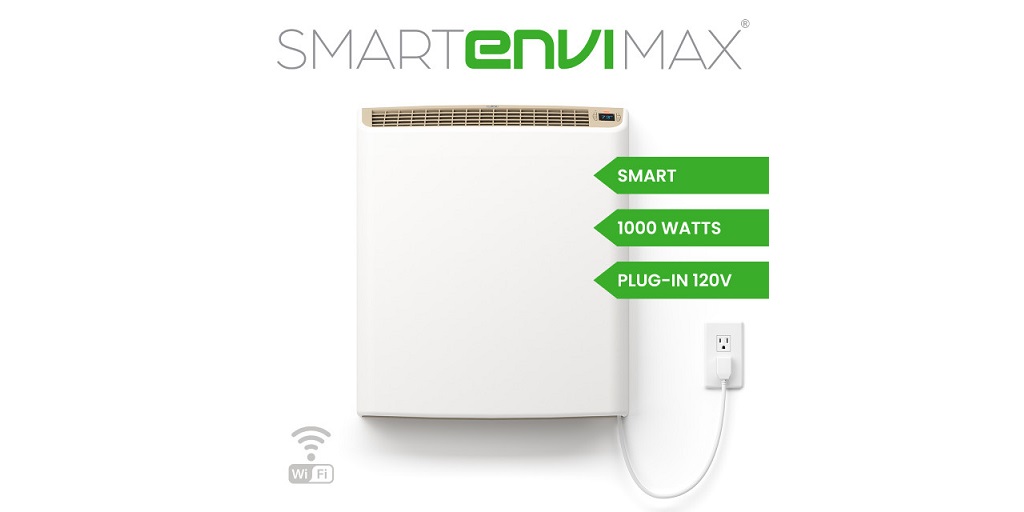
A wall-mounted smart heater doesn’t rely on ducts. Wall-mounted plug-in models like the Smart Envi use convection and precision temperature control to warm rooms directly and evenly. They can be placed strategically: under windows, near draft-prone walls, or in basements where heat loss is common.
For remodelers, this opens up design flexibility. There’s no need to plan around bulky vents or radiators. Smart wall heaters have slim profiles and can blend into the space without distracting from the architecture. Some models even come in neutral tones that complement a range of interiors, from mid-century bungalows to Victorian-style townhouses.
Intelligent Zoning Without the HVAC Overhaul
Older homes rarely have zone heating, which makes it difficult to heat only the rooms that are being used. Smart heaters solve this by allowing users to control each room individually through a phone app or thermostat.
For example, a homeowner can lower the heat in unused guest rooms and focus warmth where the family spends time. That kind of zoning control can cut heating costs significantly—up to 10% for every 7–10 degrees lowered during off-hours, according to the U.S. Department of Energy.
This technology is especially useful for rental or multi-unit properties. Tenants can customize their comfort without affecting others, while landlords maintain efficient energy management across the building.
Retrofitting Without Losing Character
Many homeowners hesitate to upgrade heating because they don’t want to disturb the original look of their home. A smart heater offers a simple retrofit solution that preserves the structure’s character. There’s no need to open walls, rewire the entire house, or install complex vents.
Remodelers can add heaters in key living areas—like hallways, bedrooms, or home offices—where comfort matters most. Because the devices run quietly and distribute heat evenly, they don’t interfere with the experience of living in a historic property.
A Real-World Example
Consider a 1950s cottage with a drafty living room and uneven warmth between floors. Installing new ducts would mean removing ceiling panels and disrupting plasterwork. Instead, a remodeler could install two wall-mounted smart heaters: one near the main seating area and another in the upstairs hallway.
Each unit runs independently, allowing consistent warmth throughout the house. The homeowner can adjust settings through an app, set schedules, and monitor energy use in real time. The result is modern comfort without structural damage, or a large utility bill.
Smart Heating for Modern Lifestyles
Beyond temperature control, the Smart Envi includes safety and efficiency features ideal for family homes. Overheat protection, automatic shutoff, and child lock settings make them safer than portable space heaters. They also use less power—as little as 500 watts—compared to traditional baseboard heaters that consume 1500 watts or more.
These features give designers more confidence in specifying smart heaters for clients. It’s no longer just about heat; it’s about sustainable, connected living that aligns with modern expectations.
The Future of Heating Design
For remodelers and interior designers, the smart heater represents a practical way to combine comfort, efficiency, and aesthetics in older homes. Instead of trying to modernize outdated systems, they can integrate a cleaner, smarter alternative that works with the existing layout.
Homeowners gain more control over their environment, while designers preserve the beauty and integrity of the space. It’s an upgrade that’s as thoughtful as it is functional.
If you’re designing or remodeling a home where efficiency matters as much as comfort, consider integrating a smart wall heater into your plan. Visit eheat online to explore wall-mounted heaters that deliver quiet, consistent warmth while fitting seamlessly into any room.
For More Information About Electric Room Heaters and Plug In Heater For Large Room Please Visit: Eheat, Inc.
