
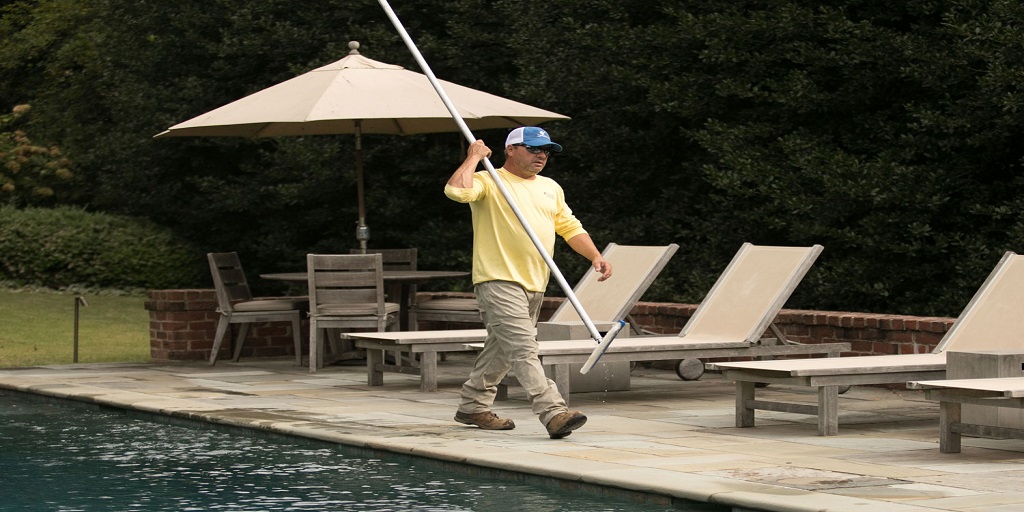
True care comes from noticing the small details that often go unchecked. When people search for pool maintenance guides, they usually find broad checklists: test the water, backwash the filter, brush the walls. What’s missing are the quiet habits that keep pumps, heaters, and liners from wearing out long before their time.
Table of Contents
Quick Checks That Save Expensive Repairs
Pools run best when everything moves — water, air, and debris — the way it should. A few five-minute checks each week can make a real difference in preventing costly breakdowns.
1. Purge the air-relief valve regularly
On cartridge and DE filters, air can collect inside the tank. Too much trapped air forces the pump to work harder and can cause pressure spikes. Releasing that air weekly helps the system maintain stable flow and extends the filter’s lifespan.
2. Watch the skimmer basket for vibration
A rattling or vibrating skimmer basket often signals that debris is restricting flow. Over time, this strain shortens pump seal life and increases motor wear. A quick inspection before you vacuum or backwash ensures the basket sits snug and water moves freely.
3. Inspect the salt cell for calcium buildup
If you have a saltwater system, white crust forming on the cell plates means calcium scaling is starting. A gentle cleaning with a mild acid solution prevents thick deposits that block chlorine production and force your system to overwork.
4. Check the pump lid O-ring for wear
A dry, cracked, or flattened O-ring leads to air leaks that reduce suction. Keeping it lubricated and replacing it once a year keeps your priming smooth and efficient.
5. Confirm heater airflow
Pool heaters rely on proper ventilation. Make sure leaves, cobwebs, or mulch haven’t blocked the intake or exhaust. Restricted airflow raises internal temperatures and shortens the heater’s life.
None of these tasks require tools or complicated testing, just attention. Done consistently, they keep the system running with less noise, fewer leaks, and better energy efficiency.
Visual and Tactile Clues That Something’s Off
Even when you use reliable test kits, your pool may tell you something’s wrong long before the numbers do. Learning to spot these small changes helps catch problems early.
Foam with a slick feel
Persistent foam that doesn’t dissipate after the pump runs indicates high levels of dissolved organic material, usually from lotions, sweat, or algaecides. It’s a sign your sanitizer is being used up faster than expected.
Rough scale near return jets
When you feel grainy residue forming near returns, calcium hardness or pH is likely too high. Scaling reduces heater efficiency and dulls the liner finish. It’s best to address it before the buildup hardens.
Metallic or chlorine-heavy odor
A strong smell often means too little chlorine, not too much. Chloramines — formed when chlorine binds to contaminants — cause irritation and signal that the water needs shocking or better circulation.
Slippery pool steps or tiles
Slick surfaces usually indicate algae starting to grow. Even if the water looks clear, it’s time to brush and rebalance sanitizer levels.
Water that looks “flat” or dull
Healthy water reflects light with sparkle. When clarity drops slightly or the water appears cloudy under sunlight, filtration or pH balance may be slipping. Quick testing and filter cleaning usually restore brightness.
These are all part of pool maintenance how to routines that keep water balanced between testing days. Recognizing early warnings helps you act before they turn into major chemical corrections or equipment strain.
Consistency Is the Real Secret
Pool care doesn’t need to be complicated — it needs to be consistent. Spending ten minutes a few times a week doing simple visual checks protects your investment and keeps the water inviting. Most homeowners who adopt these habits report fewer service calls and lower annual chemical costs.
If you’d rather have a professional keep these details covered, scheduling a monthly pool service with Smith Pool online is a reliable way to ensure nothing gets overlooked. Their team monitors chemistry, inspects equipment, and performs preventive maintenance that helps every component last longer — saving time, energy, and unnecessary expense.
For more information about Pool Service Memphis Tn and Vinyl Pool Liner Replacement Please visit: Smith’s Pool Service, Inc.
