
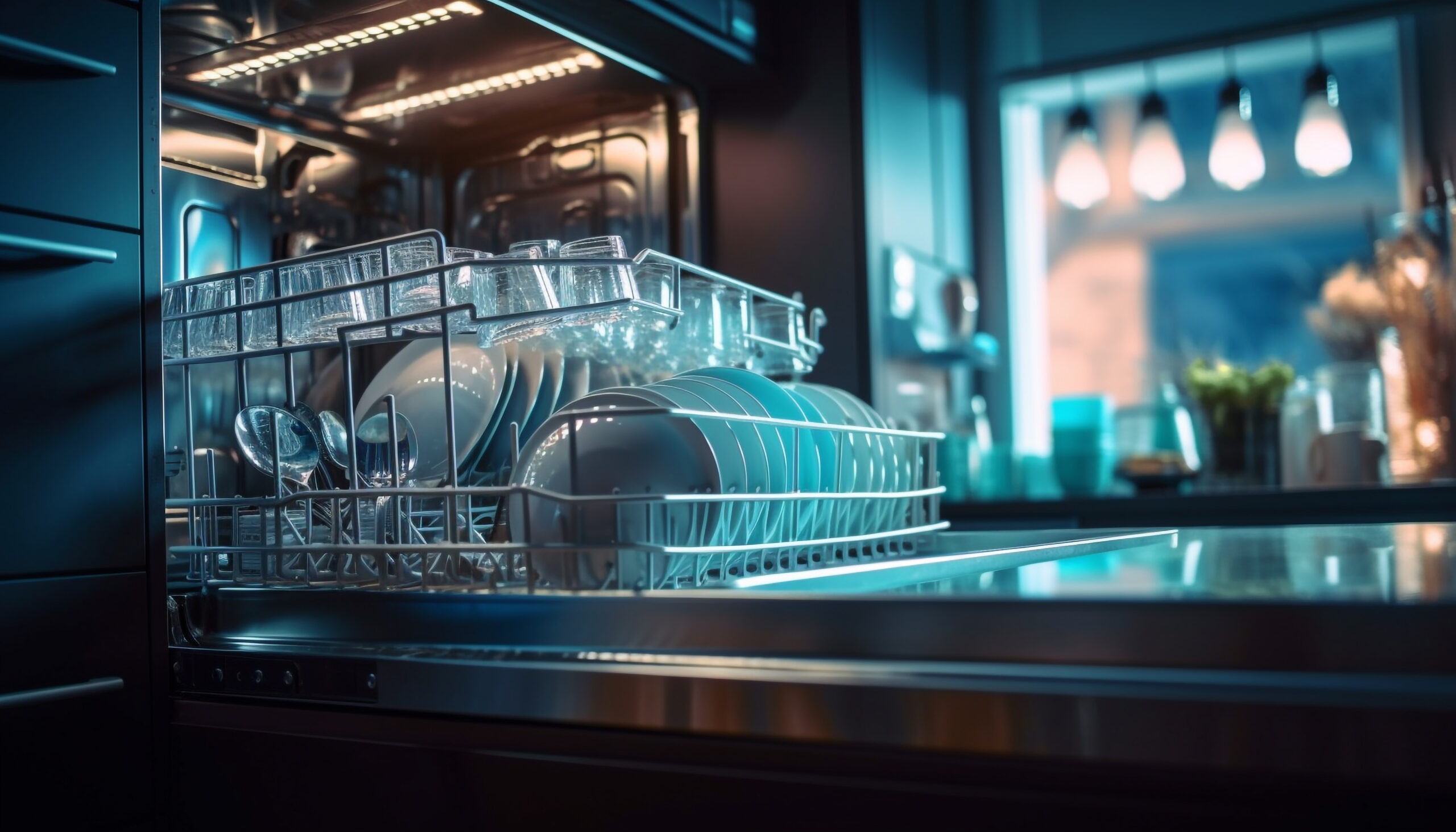
Ever found yourself staring at a mountain of dirty plates during peak service, wondering if there’s a better way? Or perhaps you’re opening a new venue and feeling overwhelmed by the sheer number of commercial dishwasher options available? What makes one machine worth the investment while another becomes an expensive headache?
Choosing the right commercial dishwasher is one of those decisions that can genuinely make or break your kitchen operations. Get it right, and you’ll have sparkling clean dishes ready to go, happy health inspectors, and a team that isn’t drowning in manual washing. Get it wrong, and you’re looking at bottlenecks during busy periods, sky-high utility bills, and potentially costly breakdowns at the worst possible moments.
Table of Contents
Size and Configuration: Finding Your Perfect Fit
Understanding Commercial Dishwasher Size Options
When it comes to commercial dishwasher size, there’s genuinely no one-size-fits-all solution. The right choice depends entirely on your available kitchen space, daily dish volume, and workflow requirements. Most commercial dishwasher machines fall into three main categories: undercounter, pass-through, and conveyor systems.
Undercounter models are the most compact, fitting neatly beneath standard benchtops. They’re perfect for smaller venues handling moderate volumes. Pass-through machines sit at bench height and allow staff to load from one side while unloading from the other—brilliant for streamlined workflows.
Commercial Dishwasher Pass Through: Is It Right for Your Kitchen?
A commercial dishwasher pass through model offers fantastic workflow benefits. Staff can continuously load dirty dishes while clean ones emerge from the other side, keeping everything moving smoothly during busy service. These units typically process between 40 to 60 racks per hour, making them ideal for medium to large restaurants.
The trade-off? They require more floor space and a dedicated washing station. If your kitchen layout can accommodate this setup, though, the efficiency gains are substantial. Many restaurant kitchen dishwasher setups now centre around pass-through models for exactly this reason.
Best Under Bench Dishwasher: Space-Saving Solutions
For smaller venues, the best under bench dishwasher options offer impressive performance without eating into precious floor space. These compact units can handle 20 to 30 racks per hour—plenty for cafés, bars, and smaller eateries. They’re also popular choices when considering commercial dishwashers for home installation, particularly for keen entertainers or households with demanding cleaning needs.
How Do I Choose the Right Size Commercial Dishwasher for My Restaurant?
Think about your busiest service period. How many covers do you serve? As a rough guide, multiply your peak-hour covers by 1.5 to estimate the number of racks you’ll need to process. This calculation helps determine whether an undercounter model will suffice or whether you need the capacity of a commercial dishwasher for restaurant high-volume use.

Temperature and Sanitisation Standards
What Temperature Should a Commercial Dishwasher Be?
Here’s something many buyers overlook: what temperature should a commercial dishwasher be to meet food safety standards? In Australia, commercial dishwashers must reach specific temperatures to properly sanitise dishes and comply with health regulations.
High-temperature machines typically operate with wash cycles between 55°C and 65°C, followed by a final rinse at 82°C or above. This hot rinse is what kills bacteria and ensures proper sanitisation. Low-temperature machines, alternatively, use chemical sanitisers instead of heat to achieve the same result.
High-Temperature vs Low-Temperature Machines
High-temperature commercial dishwasher machines are the traditional choice and remain popular across Australia. They’re effective, don’t require ongoing sanitiser costs, and leave dishes genuinely clean. The downside? Higher energy consumption and the need for adequate ventilation to handle steam.
Low-temperature units use cooler water combined with chemical sanitisers. They’re gentler on delicate items and require less energy for heating. However, you’ll need to factor in ongoing chemical costs and ensure proper dosing systems are in place.
Meeting Australian Food Safety Requirements
Australian food safety standards are non-negotiable. Your commercial dishwasher must demonstrate it can achieve proper sanitisation—either through verified temperature readings or chemical sanitiser concentrations. Many modern machines include built-in monitoring systems that track these metrics, making compliance straightforward. Always check that any machine you’re considering meets Australian standards before purchasing.
Water and Energy Efficiency
Commercial Dishwasher Water Usage: What to Expect
Commercial dishwasher water usage varies significantly between models, and this directly impacts your operating costs. Understanding these differences helps you budget accurately and make environmentally conscious choices.
Older or basic models might use 8 to 15 litres per rack, while modern efficient units can operate on as little as 2 to 3 litres per rack. Over thousands of cycles, these differences add up dramatically.
How Much Water Does a Commercial Dishwasher Use Per Cycle?
When asking how much water does a commercial dishwasher use per cycle, consider both the wash and rinse phases. Premium machines feature heat recovery systems, water recycling, and optimised spray patterns that minimise waste without compromising cleaning performance.
Look for machines with Water Efficiency Labelling Scheme (WELS) ratings. Higher-rated models deliver genuine savings on both water and the energy required to heat it.
Energy-Efficient Features That Save Money Long-Term
Beyond water usage, consider insulation quality, standby modes, and heat recovery systems. Well-insulated machines retain heat between cycles, reducing energy needed to maintain operating temperatures. Smart standby modes power down during quiet periods. These features might add to the upfront cost, but they typically pay for themselves within two to three years through reduced utility bills.
Wash Cycle Speed and Capacity
Why Cycle Time Matters for Busy Restaurant Kitchens
In a busy restaurant kitchen dishwasher station, cycle time directly impacts your ability to keep up with service demands. Standard cycles run between 60 and 120 seconds, while intensive cycles for heavily soiled items might take longer.
Faster isn’t always better, though. Ultra-quick cycles work brilliantly for lightly soiled items but might leave heavily soiled pots needing a second run. The best commercial dishwashers offer multiple cycle options, letting you match the programme to the task.
Matching Dishwasher Capacity to Your Daily Demands
Think about your daily dish volume realistically. A machine processing 40 racks per hour sounds impressive, but can your team actually load and unload that quickly? Consider your workflow, available staff, and the physical space around the machine.
For commercial dishwashers for restaurants with high-volume demands, conveyor systems offer continuous operation that standalone units simply cannot match. For most venues, though, a well-chosen pass-through or undercounter model provides the ideal balance of speed and practicality.
High-Volume Considerations
Large venues should look for features like automatic hood opening, built-in drainage pumps, and easy-clean filters. These seemingly small details make a massive difference when you’re processing hundreds of racks daily. Also consider whether you need dedicated glasswashing capabilities or whether your main machine can handle everything.
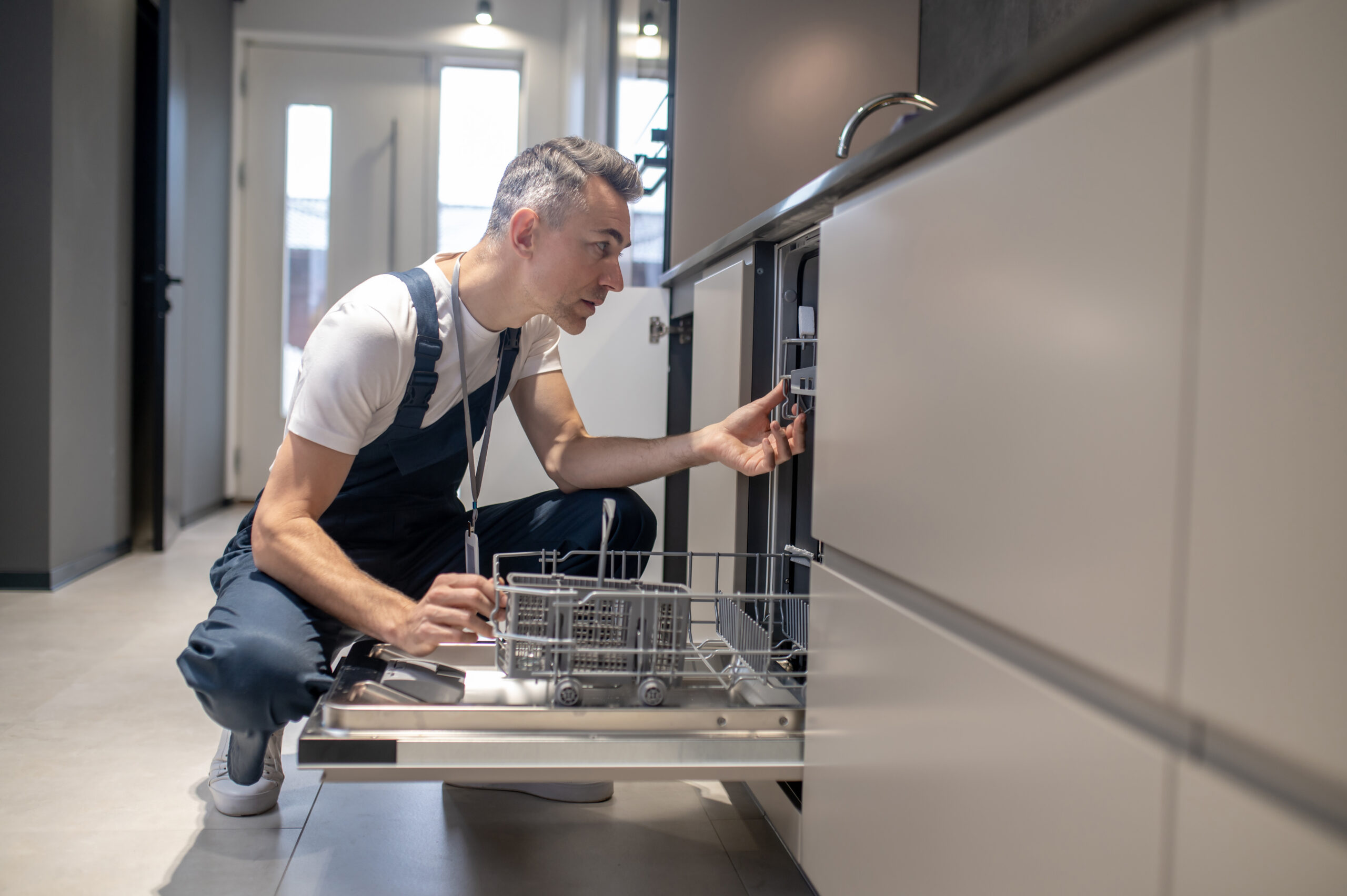
Durability, Warranty and After-Sales Support
What to Look for in Build Quality
The best commercial dishwashers feature stainless steel construction throughout—not just externally, but for internal tanks and components too.
While budget options might seem attractive, a commercial dishwasher machine is a long-term investment. Quality construction typically delivers better reliability and longevity.
The Importance of Local Support in Australia
This point cannot be overstated: buying from suppliers with strong Australian support networks is essential. When your dishwasher breaks down on a Friday night, you need someone who can respond quickly with the right spare parts.
Ask potential suppliers about their service network, response times, and parts availability. A slightly cheaper machine from an unknown brand might cost you dearly in downtime and emergency repair callouts.
Comparing the Best Commercial Dishwashers in Australiat
Best Commercial Dishwasher Australia: Top Picks
The best commercial dishwasher Australia has available varies depending on your budget and requirements. Premium European brands like Winterhalter and Hobart consistently rank highly for durability and performance. Mid-range options from Washtech and Starline offer excellent value for most venues.
When researching the best commercial dishwashers, compare warranty terms, included features, and total cost of ownership rather than just sticker price.
Restaurant Kitchen Dishwasher vs Commercial Dishwashers for Home
While both serve similar purposes, restaurant kitchen dishwasher requirements differ from home installations. Commercial venues need machines rated for continuous operation, while home users can often select models designed for intermittent use at lower price points.
Making the Right Investment for Your Business
Choosing the right commercial dishwasher involves balancing multiple factors: size, temperature capabilities, efficiency, speed, and reliability. Each feature impacts your daily operations and long-term costs.
Start by honestly assessing your volume requirements and available space. Consider your energy and water costs when evaluating efficiency features. Don’t overlook the importance of Australian compliance and local service support—these practical considerations often matter more than flashy specifications.
Ultimately, the right machine is one that fits your space, handles your volume comfortably, meets hygiene standards, and comes backed by reliable support. Take your time, ask plenty of questions, and view this purchase as an investment in your kitchen’s efficiency. The perfect commercial dishwasher is out there waiting—you just need to know what to look for.
