
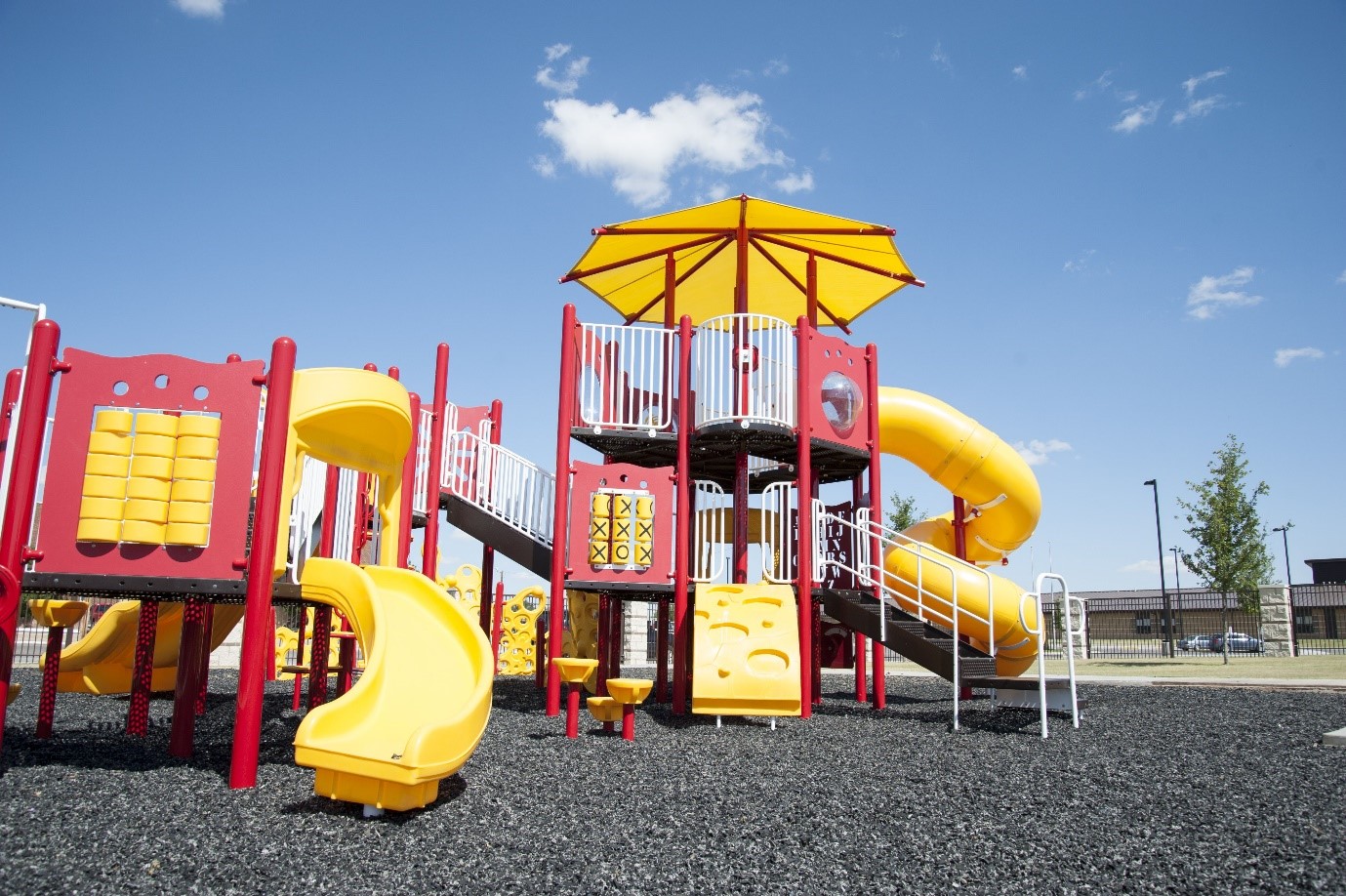
Play is a fundamental element of childhood that transcends cultural or territorial boundaries. However, for several children and the parents who care for them, the conventional playground designs in Australia do not present an inclusive environment. From inaccessible play equipment to uninspiring, uniform design, the lack of inclusivity often overlooked or dismissed as unimportant. Commercial establishments like restaurants, mall play areas, and other businesses have a significant role in promoting and implementing inclusive play. Their influence is due to the sheer number of children they cater to daily. Visitors’ experiences at these establishments often contribute to their perception of the society’s acceptance, inclusivity, and community spirit. The exciting growth in the realm of inclusive playground design in commercial establishments is what we delve into in this post.
Table of Contents
The Concept of Inclusivity in Play
True inclusivity in play extends beyond installing ramps for wheelchair-users or Braille-labelled play materials for visually impaired children. It upholds the tenet that every child, irrespective of their ability, age, or development stage, has the equal right to play alongside their peers. It champions a diverse, barrier-free and stimulating environment, catering to myriad physical, cognitive, sensory and emotional needs. Crucially, play is not merely about fun; it is instrumental in building essential life skills, fostering creativity, nurturing social relationships and driving physical development. But what does research say about inclusivity in play? Numerous studies underscore its significant positive impact on a child’s social relationships, emotional resilience, cognitive skills, and school readiness. Its societal benefits are equally impressive, including increased community connection, improved empathy and understanding, and a more accepting and inclusive generation.
A Snapshot of the Current Playground Landscape in Australia
While pockets of Australia can boast of trailblazing inclusive playground designs, there’s still a long road ahead. A 2019 survey of primary carers of 1000 children across the country reflected a mixed bag of feedback. While 68% agreed that playground designs had improved compared to when they were children, 73% believed there’s still room for improvement. Comic criticisms ranged from lack of accessibility for disabled children, inadequate shade, inadequate use of natural elements, and poor maintenance. Parents also highlighted that many existing ‘inclusive’ playgrounds did pretty little beyond installing ramps and lacked a holistic approach to inclusive design. These insights, thus, underscore the growing requirement for true inclusive design in playgrounds across commercial establishments in Australia.
Inclusive Playground Design: The Pillars
But what truly defines an inclusive playground design? It seems to rest on three major pillars. Firstly, the design must ensure physical and social accessibility for everyone. Secondly, it must cater to different developmental stages and ages. Lastly, it should provide diverse sensory experiences – a mix of calm and stimulating, to cater to children with varying sensory preferences and sensitivities. The ‘Tumbalong Park’ in Sydney is a shining example of these principles put in practice. The park boasts of a variety of play equipment and experiences that are seamlessly integrated with the landscape. It caters to various needs and preferences – quiet spaces for those who require calm, sensory-rich environments for those who seek stimulation, and a wide range of physical activities catering to varied developmental stages.
The Challenges and Evolution of Playground Design
The journey towards inclusive playground designs in Australia has not been without its challenges. From technical considerations (like ensuring universal accessibility without compromising on the thrill of play) to budget constraints, installation and maintenance require significant planning and resources. However, innovative solutions have been employed to overcome these hurdles. The evolution began by shifting the focus from disability to ability, to designing playgrounds that challenge all children within their ability levels. Instead of merely installing accessible swings and ramps, designers began to reimagine play equipment and experiences that could cater to all children. The resulting playgrounds are not only more inclusive but more exciting, innovative and functional.
Inspiring Case Studies of Inclusive Commercial Playgrounds Down Under
An inspiring example of true inclusive playground design is found at the Stockland Group’s shopping centre, Shellharbour. It’s a part-themed, part-natural, accessible playground that caters to children of all abilities. The standout feature, undoubtedly, is the sensory-rich ‘Sensory Seven’ area, which stimulates all seven senses, facilitating social interaction, creative play, and multifaceted development. Meanwhile, the Westfield Carousel in Perth houses a unique indoor play area designed with a ‘treehouse’ concept. It includes calming spaces and stimulating activities, catering to those with sensory sensitivities, and children who prefer to ‘climb and conquer.’ These adventurous commercial playground designs stand as a testament to the significant steps Australia is taking towards fostering inclusivity in play.
Why Inclusive Design Should be a Benchmark, not a Bonus
Inclusive design in play spaces shouldn’t be treated as an extraordinary achievement but rather as a universal standard. So why is inclusivity in playground design so essential? Inclusive play areas benefit all children, irrespective of their abilities or disabilities. They foster an environment of shared play experiences, creating opportunities for social interaction, friendships, and empathy. The societal benefits are enormous too – they create more inclusive, accepting communities and becomes a beacon of societal progression and innovation.
Looking Ahead: Trending Innovations in Inclusive Playground Designs
As we look towards the future, the horizon of inclusive playground design exudes promising inspirations. Advancements in technology, universal design elements, and innovative play equipment appear to spearhead the change. Heuristic play i.e., elements that cater to a child’s curiosity and natural desire to explore, investigate, and understand, are instrumental. Innovative additions such as sensory walls and panels designed for tactile and audio-visual stimulation are trending. Interactive digital play elements integrating vivid technology are gaining traction too.
Conclusion: The Future of Inclusive Play Spaces in Australia
The journey towards universal inclusivity in playground designs in Australia is an ongoing endeavor. It’s a drive towards more accepting societies, challenging and exciting play spaces, holistic child development, and true inclusivity. As we move forward, the hope is that every child, regardless of their ability, gets an equal opportunity to experience the sheer joy of play. So, join us in advocating for inclusive playgrounds in your neighborhoods, helping to create a playground that truly belongs to every child. Be part of the change – because every child deserves the right to play.
