
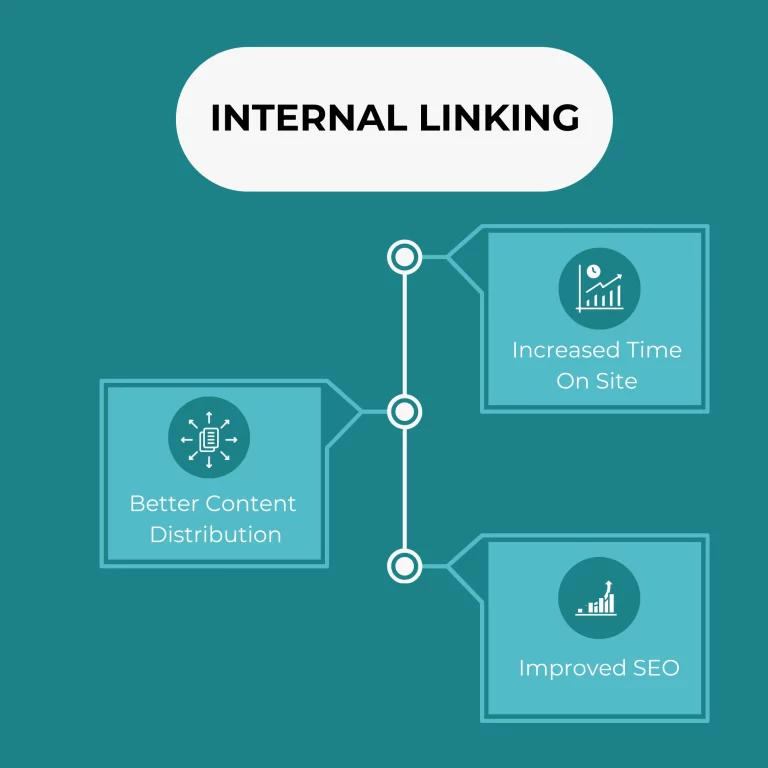
Internal linking is one of the most underrated SEO tactics, yet it has the power to quietly transform your website’s traffic, rankings, and user experience. Many websites invest heavily in backlinks and even technical SEO services, but forget that the links within their own site shape how search engines interpret and prioritize content. When done right, internal linking guides users, distributes authority strategically, and helps important pages rank faster. Let’s break down how to build an internal linking strategy that actually boosts traffic instead of just adding random links.
Table of Contents
Understanding What Internal Linking Really Does
Internal links are links that connect one page of your website to another page on the same domain. While that sounds simple, their impact is huge. Search engines use internal links to discover new pages, understand how content is related, and decide which pages matter most. For users, internal links act like signposts, leading them to relevant information and keeping them engaged longer. A strong internal linking structure makes your site easier to crawl and easier to navigate, which is exactly what both Google and users want.
Planning Your Website Structure Before Adding Links
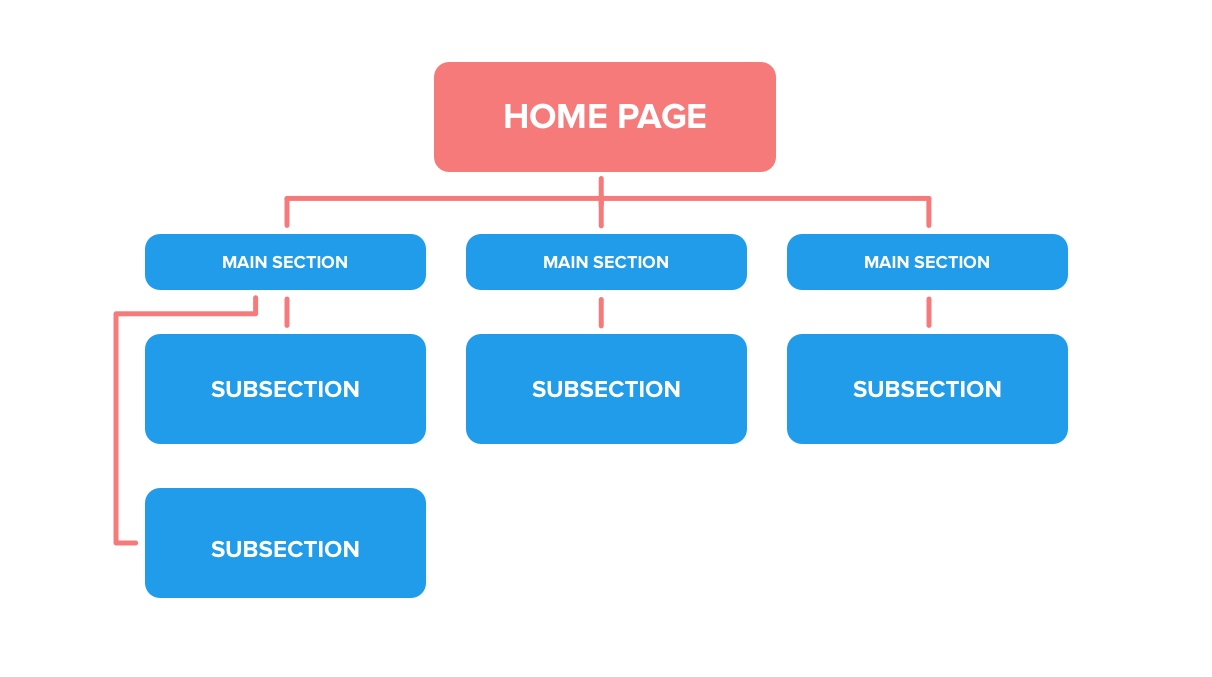
Before you start adding links everywhere, it’s important to understand your site’s structure. Think of your website as a hierarchy where some pages are more important than others. Category pages, cornerstone blogs, and high-converting product pages usually sit at the top. Supporting pages should naturally link up to these key pages. When your structure is clear, internal linking becomes purposeful instead of messy. Without a plan, links can confuse search engines and dilute the value of your most important pages.
Read More: Top 10 Ecommerce Content Marketing Strategies That Drive Results
Identifying High-Value Pages That Deserve More Links
Not every page on your website needs the same level of internal linking. Some pages are meant to attract traffic, some are meant to convert, and some simply support other content. Pages that already perform well or have strong business value should receive more internal links. These links act like votes of confidence, telling search engines that a page matters. By intentionally directing link equity toward important pages, you can improve their chances of ranking higher without creating new content.
Using Contextual Links to Improve Relevance
Contextual links placed naturally within content are far more powerful than links shoved into footers or sidebars. When a link appears within a relevant sentence, it helps search engines understand the relationship between the two pages. It also feels more natural to users, increasing the chance they’ll click. The key is relevance. Linking a blog about product optimization to a guide on conversion strategies makes sense, while random links break trust. Contextual linking strengthens topical authority and improves user flow across your site.User engagement tools
Optimizing Anchor Text Without Overdoing It
Anchor text plays a big role in internal linking success. The words you use to link should describe the page you’re linking to in a natural way. Over-optimized or repetitive anchor text can look spammy and hurt rather than help. A healthy mix of descriptive phrases works best. Instead of forcing exact-match keywords every time, focus on clarity and readability. Search engines are smart enough to understand variations, and users appreciate links that clearly explain what they’ll find next.
Strengthening Ecommerce Pages With Strategic Linking
For online stores, internal linking is especially important because ecommerce websites often have hundreds or thousands of pages. Product pages, category pages, and informational blogs should support each other. A well-written blog can drive authority to product categories, while categories can guide users toward helpful content that answers buying questions. This approach is often used by an Ecommerce SEO Company to help search engines connect informational intent with transactional intent, creating a smoother path from search to saleE
Keeping Internal Links Updated as Content Grows
Internal linking is not a one-time task. As you publish new content, your older pages should be updated with links to newer, relevant pages. At the same time, new content should link back to established high-authority pages. Regular audits help identify broken links, orphan pages, and missed opportunities. Websites that grow without maintaining internal links often lose SEO strength over time. Consistent updates ensure your site stays connected and easy to navigate for both users and search engines.
Measuring the Impact of Your Internal Linking Strategy
You can’t improve what you don’t measure. Tracking metrics like crawl depth, page views, bounce rate, and keyword rankings can reveal whether your internal linking strategy is working. Pages that receive better internal support often see faster indexing and ranking improvements. For businesses investing in Ecommerce SEO Services, internal linking is one of the highest ROI tactics because it improves performance without increasing ad spend. When traffic starts flowing more naturally between pages, you know your strategy is doing its job.
