
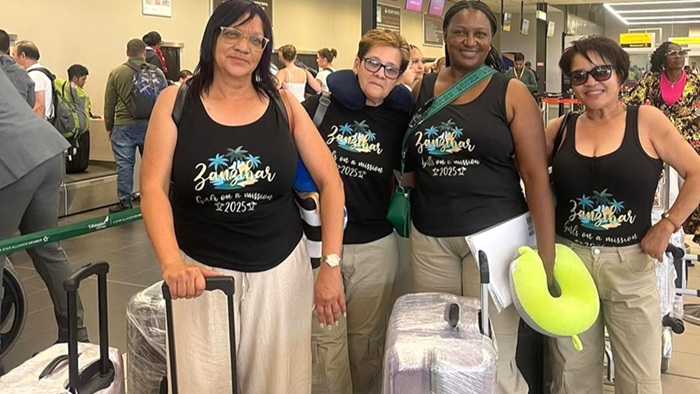
The allure of group travel is undeniable. From the shared awe of standing before an ancient monument to the spontaneous laughter of a communal dinner, traveling with others offers a unique blend of safety, social enrichment, and logistical ease. However, moving a group across borders and time zones is an art form that requires careful planning, a balanced temperament, and a clear understanding of the group’s collective goals.
Whether you are organizing a family reunion, a professional retreat, or a faith-based pilgrimage, mastering the nuances of group dynamics is the difference between a stressful ordeal and a life-changing journey.
Table of Contents
1. The Power of Shared Purpose
The most successful group trips are those anchored by a common theme or objective. When everyone is aligned on the why of the trip, minor inconveniences—like a delayed bus or a missed reservation—become secondary to the mission.
For many, this purpose is found in historical or spiritual exploration. For example, many groups choose to walk the Footsteps of Paul in Italy, tracing the late missionary journeys of the Apostle through the ancient ports of Puteoli and into the heart of Rome. Having a central narrative allows the group to bond over shared discovery. When the itinerary is built around a robust historical framework, the travel experience transcends simple sightseeing and becomes a collective educational event.
2. Navigating the Logistics: The “Anchor” Principle
Logistics are the bones of any group trip. Without a solid structure, the experience collapses under the weight of indecision. One of the most effective ways to manage a group is to establish “Anchors”—non-negotiable meeting times and locations—while allowing for “Free-Flow” periods in between.
- Fixed Anchors: These include morning departure times, group dinners, and pre-booked tours. These should be communicated clearly and well in advance.
- Buffer Zones: Groups are made of individuals with different energy levels. Forcing a group of twenty people to stay together for twelve hours a day is a recipe for friction. Successful itineraries provide two-hour windows where members can explore a local market, nap, or visit a cafe solo.
A robust group trip doesn’t just manage the “where” and “when,” it manages the collective stamina of the participants.
3. Financial Transparency and the “Common Fund”
Money is perhaps the most frequent source of tension in group travel. Different participants have different budgets, and the awkward math of splitting a restaurant bill for fifteen people can sour a perfectly good evening.
To mitigate this, many experienced group leaders use the “Kitty” or “Common Fund” method. At the start of the trip, every member contributes a set amount of cash into a shared pool. This fund is managed by a designated “treasurer” to cover small group expenses like tips, local transport, entry fees, and communal snacks. This removes the constant need for individual transactions and ensures that the financial aspect of the trip remains professional and transparent.
4. The Role of the Group Leader: Guide vs. Dictator
Every group needs a leader, but the best leaders are those who facilitate rather than dictate. A group leader’s primary responsibility is to maintain the “emotional climate” of the group.
- Communication: Use digital tools like WhatsApp or dedicated travel apps to keep everyone updated on schedule changes.
- Inclusion: Ensure that the “loudest” members of the group don’t inadvertently drown out the preferences of the more reserved travelers.
- Crisis Management: When things go wrong—and they eventually will—the group looks to the leader for a calm, decisive response. A robust leader anticipates problems (like having copies of everyone’s passports) before they occur.
5. Balancing Education and Leisure
Informative travel, especially when exploring sites as dense as the Roman Forum or the Appian Way, can lead to “museum fatigue.” This is a physiological state where the brain becomes oversaturated with information and stops processing the beauty of the surroundings.
To keep the group engaged, balance “Heavy” days with “Light” days. A heavy day might involve an intensive six-hour guided tour of the Vatican and its history. A light day should follow, perhaps focusing on the culinary culture of the region or a scenic drive through the countryside. This ensures that the intellectual “muscles” of the group have time to recover, allowing for better retention of the historical facts gathered along the way.
6. Technology as a Tool, Not a Distraction
In 2026, technology is a double-edged sword for group travel. On one hand, GPS and instant translation are invaluable. On the other hand, a group of people all staring at their phones while walking through the streets of Florence is missing the very essence of travel.
Encourage “Digital Sabbaticals.” Suggest that during group meals or specific historical visits, phones stay in pockets. This encourages communal observation and discussion. However, use technology to your advantage during the planning phase. Shared digital itineraries and cloud-based photo albums allow the group to relive the memories together long after the flight home.
7. The Psychological “Third Space”
Group travel creates what sociologists call a “third space”—a social environment that is neither home nor work. In this space, people often reveal different sides of their personalities. Travelers should be encouraged to practice “The 10% Rule”: give your fellow travelers 10% more grace, 10% more patience, and 10% more benefit of the doubt than you would at home.
The friction of travel (jet lag, strange foods, language barriers) can wear down even the best temperaments. Recognizing that everyone is in a state of heightened vulnerability helps maintain a supportive and robust group culture.
Conclusion
Ultimately, the value of group travel lies in its ability to multiply the impact of an experience. Standing alone in a cathedral is a moment of personal reflection, but standing there with twenty others who share your values or your curiosity turns that reflection into a shared cultural milestone.
Whether you are navigating the intricate logistics of the Footsteps of Paul in Italy or simply taking a large family to a mountain retreat, the principles remain the same: plan with precision, lead with empathy, and always leave room for the unexpected. A well-organized group trip doesn’t just move people from point A to point B; it weaves their individual stories into a collective tapestry of adventure that lasts a lifetime.
When we travel together, we don’t just see the world—we see it through each other’s eyes, and that is the most robust way to experience any destination.
