
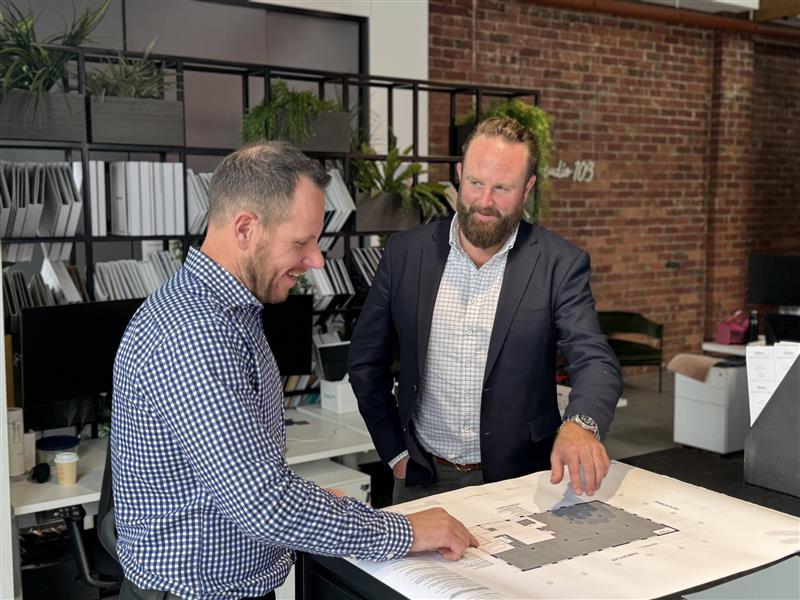
Have you ever walked into a brilliantly designed office and wondered how it all came together so smoothly? Who coordinates the countless moving parts, from choosing the right furniture to making sure the electricians don’t clash with the painters? And most importantly, how does everything get finished on time without the whole project descending into chaos?
Behind every successful office transformation, there’s often an unsung hero working tirelessly behind the scenes. The office fitouts officer is the person who keeps all the plates spinning, ensuring your new workspace comes together seamlessly. They’re the ones answering calls at odd hours, solving problems before you even know they exist, and making sure your business can move into its fresh new space exactly when promised.
In this article, we’ll explore the crucial role these professionals play in commercial office fitouts officer across Australia. You’ll discover what their day-to-day duties involve, why timely delivery matters so much, and how they tackle common challenges that threaten to derail projects. Whether you’re planning a small office refresh or a major commercial transformation, understanding how a fitouts officer works will help you appreciate the expertise that goes into creating your perfect workspace.
Table of Contents
What Is an Office Fitouts Officer?
An office fitouts officer serves as the central coordination point for your entire fitout project. Think of them as the conductor of an orchestra, ensuring every section plays their part at precisely the right moment. Their primary focus is keeping the project moving forward while maintaining quality standards throughout.
Key Responsibilities and Day-to-Day Duties
On any given day, a fitouts officer might review construction progress, negotiate with suppliers, and resolve scheduling conflicts. They track budgets, manage documentation, and serve as the main contact point between your business and the various contractors involved. Their attention to detail catches potential issues before they become expensive problems.
They also handle the practical side of project coordination. This includes arranging site inspections, verifying that work meets Australian building codes, and ensuring all safety requirements are followed. It’s a role that demands both technical knowledge and excellent people skills.
How Does an Office Fitout Project Manager Differ from a Fitouts Officer?
While the terms are sometimes used interchangeably, project managers typically oversee the broader strategic direction. Fitouts officers, on the other hand, often focus more heavily on the operational details and day-to-day coordination that keeps everything on track.
Why Timely Delivery Matters in Commercial Office Fitouts Officer
The Real Cost of Project Delays
When an office fitout runs over schedule, the financial impact extends far beyond the construction costs. You might face extended lease payments on your current premises, storage fees for furniture that’s arrived too early, or penalty clauses in contracts. Australian businesses can lose thousands of dollars for every week a project overruns.
How Delays Impact Business Operations and Employee Productivity
Beyond the direct costs, delays create ripple effects throughout your organisation. Staff working in temporary or cramped conditions become less productive and more frustrated. Client meetings might need relocating, and your professional image can suffer. A skilled fitouts officer understands these broader implications and works relentlessly to prevent them.
The Office Fitouts Officer Process: A Step-by-Step Breakdown
Understanding the typical workflow helps you appreciate how office fitouts officers manage complexity. Here’s what the journey usually looks like:
Initial Consultation and Needs Assessment
Everything starts with understanding your requirements. The fitouts officer gathers information about your team size, work styles, and future growth plans. They’ll ask about your brand identity, technology needs, and any specific compliance requirements for your industry.
Design Development and Approval Stages
Next comes the creative phase, where concepts transform into detailed plans. The fitouts officer coordinates between designers, architects, and your stakeholders. They track revisions and manage the approval process to prevent scope creep from derailing timelines.
Procurement and Contractor Coordination
Once designs are approved, the fitouts officer sources materials and engages contractors. They negotiate pricing, verify lead times, and create detailed schedules. Good procurement timing is often the difference between an on-time project and a delayed one.
Construction and Installation Phases
During the build phase, the fitouts officer becomes even more hands-on. They conduct regular site visits, chair progress meetings, and resolve conflicts between different trades. Their presence keeps everyone accountable and focused.
Final Inspection and Handover
Before you receive the keys, comprehensive inspections verify that everything meets specifications. The fitouts officer creates snagging lists, ensures defects are rectified, and coordinates the final documentation handover.
How Long Does a Commercial Office Fitouts Officer Take?
Factors That Influence Project Timelines
Several elements affect how long your fitout will take. The complexity of the design, availability of materials, and the condition of the existing space all play roles. Permit requirements in different Australian states can also vary significantly.
Realistic Timeframes for Small, Medium, and Large Fitouts
As a rough guide:
Small fitouts (under 200 sqm): 4-8 weeks
Medium fitouts (200-500 sqm): 8-14 weeks
Large fitouts (500+ sqm): 14-26 weeks
A skilled fitouts officer provides realistic timelines upfront rather than making promises they can’t keep.

Project Management Strategies That Keep Fitouts on Track
Creating Detailed Project Schedules and Milestones
Effective fitouts officers break projects into manageable phases with clear milestones. This approach allows for regular progress checks and early identification of slippage. Visual tools like Gantt charts help everyone understand dependencies and critical paths.
Risk Assessment and Contingency Planning
Experienced officers anticipate problems before they occur. They build buffer time into schedules for high-risk activities and maintain relationships with backup suppliers. This proactive approach means fewer surprises and faster recovery when issues do arise.
Effective Communication Channels with Stakeholders
Clear communication prevents misunderstandings that cause delays. Regular progress reports, scheduled meetings, and accessible contact points keep everyone informed. The best fitouts officers tailor their communication style to different audiences, whether that’s tradespeople on site or executives in boardrooms.
What Are the Most Common Causes of Office Fitouts Officer Delays?
Understanding potential pitfalls helps you work more effectively with your fitouts officer:
- Supply chain and material shortages: Global events can disrupt availability of specific products
- Permit and compliance hold-ups: Council approvals sometimes take longer than expected
- Design changes and scope creep: Last-minute alterations create cascading delays
- Contractor availability: Skilled tradespeople are in high demand across Australia
How to Choose the Right Office Fitout Company in Australia
Questions to Ask Before Signing a Contract
Before committing, ask potential partners about their experience with similar projects. Request references from Australian businesses in your industry. Clarify how they handle variations and what their communication processes look like.
Red Flags to Watch Out For
Be cautious of companies offering significantly lower quotes without clear explanations. Vague timelines, reluctance to provide references, or poor communication during the sales process often indicate problems ahead.
What Should Be Included in an Office Fitouts Officer Checklist?
A thorough checklist covers:
- Electrical and data requirements
- Lighting specifications
- HVAC considerations
- Furniture and storage needs
- Signage and branding elements
- Accessibility compliance
- Fire safety requirements
Your fitouts officer should provide a comprehensive checklist tailored to your specific project.
Conclusion
We’ve explored how office fitouts officers serve as the essential link between your vision and reality. From initial consultations through to final handover, these professionals coordinate countless details to deliver your new workspace on time and on budget. Their expertise in risk management, contractor coordination, and communication makes the difference between a stressful experience and a smooth transformation.
Choosing the right fitout partner means looking beyond just the quoted price. Consider their track record with similar Australian projects, their communication style, and how comfortable you feel working with their team. The relationship you build with your fitouts officer will significantly impact your project’s success.
If you’re planning an office fitout, take the time to find a company with experienced fitouts officers who understand your industry and your needs. Ask the right questions, check references, and trust your instincts about who you want to work with. With the right team on your side, your new office space can become a reality exactly when you need it no nasty surprises, no extended delays, just a beautiful new workspace ready for your team to thrive.
