
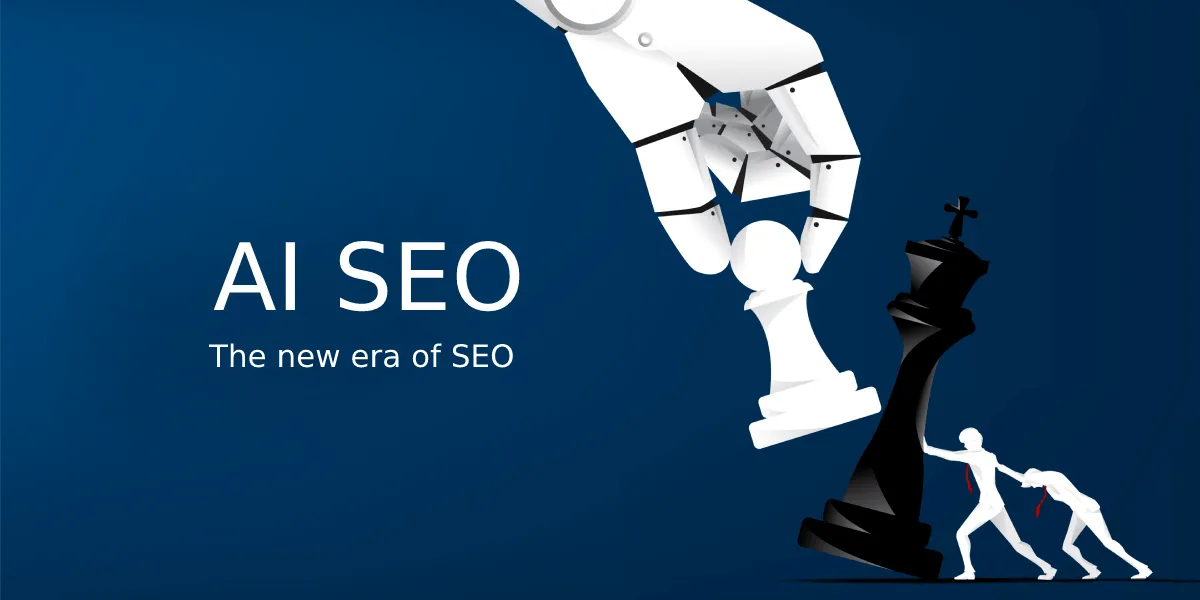
Search engine optimisation has evolved significantly over the past decade. As search engines become more sophisticated, the methods used to improve website visibility have also changed. Traditional SEO has long relied on manual research, optimisation techniques, and human analysis. However, the introduction of artificial intelligence has transformed how SEO strategies are developed and implemented.
AI-driven SEO uses advanced algorithms, machine learning, and automation to analyse data, predict trends, and optimise websites more efficiently. While both AI SEO and traditional SEO aim to improve search rankings, the way they approach this goal can differ in several important ways.
Table of Contents
Understanding the Foundations of Traditional SEO
Traditional SEO focuses on well-established practices that have been used for many years to improve search engine rankings. These include keyword research, content optimisation, link building, and technical improvements that help search engines understand website content.
SEO professionals traditionally relied on manual tools and personal expertise to identify opportunities for optimisation. Keyword research involved analysing search volume and competition, while content strategies were developed based on industry knowledge and competitor analysis.
Although traditional SEO methods remain effective, they often require significant time and effort to analyse data and implement improvements across a website.
The Rise of AI in Modern SEO Strategies
Artificial intelligence has introduced a new layer of efficiency and intelligence into SEO strategies. AI-powered systems can analyse large datasets quickly and identify patterns that might take humans much longer to detect.
These technologies use machine learning to evaluate search trends, user behaviour, and content performance. By analysing this information, AI tools can generate insights that help businesses make better optimisation decisions.
AI-driven approaches allow marketers to automate certain processes while also gaining deeper insights into how search engines interpret content and websites.
Differences in Data Analysis and Processing
One of the most noticeable differences between AI SEO and traditional SEO lies in data analysis. Traditional SEO methods often rely on manual interpretation of reports and metrics gathered from various tools.
SEO professionals analyse these metrics to identify opportunities for improvement, but this process can be time-consuming when dealing with large websites or complex data sets.
AI-powered systems can process enormous amounts of data in a short period of time. They can identify trends, correlations, and performance issues across thousands of pages almost instantly. This allows businesses to make faster and more informed optimisation decisions.
How AI Improves Keyword Research
Keyword research is a fundamental part of SEO, but the methods used in traditional and AI-driven approaches can vary significantly. Traditional keyword research typically focuses on identifying keywords with high search volume and manageable competition.
AI-based systems take keyword research a step further by analysing context, search intent, and related topics. Instead of targeting individual keywords, AI tools can identify entire topic clusters that help build stronger content strategies.
This approach improves topical relevance and increases the chances of ranking for a wider range of search queries.
Content Optimisation in AI SEO vs Traditional SEO
Content optimisation has always been at the centre of SEO strategies. Traditional methods often involve manually reviewing competitor content, analysing keyword placement, and adjusting headings and metadata.
AI-powered tools provide deeper insights into content performance by analysing how users interact with webpages. They can recommend improvements to structure, readability, and topic coverage based on real data.
AI can also identify semantic relationships between words and phrases, helping content become more contextually relevant rather than simply keyword-focused.
Technical Optimisation and Automation
Technical optimisation ensures that websites are easily accessible to search engines and users. Traditional SEO often requires manual audits to identify issues such as broken links, slow loading pages, and indexing problems.
AI technology has significantly improved the efficiency of technical SEO audits. Automated tools can scan entire websites and detect technical errors quickly. These systems can highlight issues related to page speed, crawlability, and site structure.
Businesses that require deeper technical optimisation often combine AI insights with expert support from providers offering Technical SEO Services London, ensuring that complex technical challenges are addressed effectively.
Efficiency and Scalability of SEO Strategies
Another key difference between AI SEO and traditional SEO is scalability. Traditional methods can become difficult to manage when working with very large websites that contain thousands of pages.
AI-powered tools make it easier to scale SEO efforts because they can automate many time-consuming tasks. This includes analysing large sets of content, identifying optimisation opportunities, and monitoring performance metrics.
By reducing manual workloads, AI enables SEO professionals to focus more on strategy and creativity rather than repetitive analysis.
Human Expertise vs AI Insights
While artificial intelligence provides powerful analytical capabilities, human expertise still plays a vital role in SEO success. AI tools can identify patterns and provide recommendations, but they cannot fully replace strategic thinking, creativity, and industry experience.
SEO specialists understand audience behaviour, brand messaging, and long-term marketing goals. They use AI insights as part of a broader strategy that balances technical optimisation with compelling content creation.
Many businesses combine human expertise with advanced AI SEO Services to gain the benefits of both analytical precision and strategic planning.
The Future of SEO Strategies
As search engines continue to evolve, the integration of artificial intelligence into SEO strategies is expected to grow even further. AI will likely become an essential part of analysing search behaviour, predicting trends, and identifying new optimisation opportunities.
At the same time, the core principles of SEO will remain important. High-quality content, strong website structure, and positive user experience will continue to influence search rankings.
Businesses that combine traditional optimisation methods with advanced AI-driven insights often achieve the best results. For example, pairing AI analysis with broader marketing strategies such as Organic SEO Services can help build sustainable search visibility.
Choosing the Right Approach for Your Business
Deciding between AI SEO and traditional SEO does not necessarily mean choosing one over the other. In many cases, the most effective strategy is a balanced approach that combines the strengths of both methods.
Traditional SEO provides the foundational practices that ensure websites remain search-friendly, while AI adds efficiency, automation, and deeper insights into performance data.
By embracing both approaches, businesses can build smarter optimisation strategies that improve rankings, attract more visitors, and adapt to the ever-changing landscape of search engines.
