
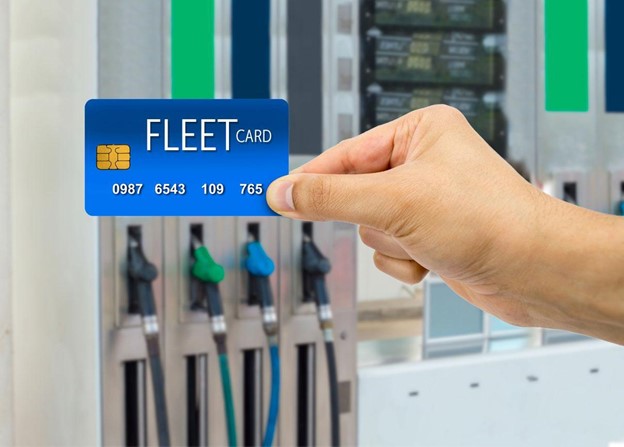
Fuel is one of the most frequent expenses in any fleet operation—yet it’s often managed with the least structure, allowing daily refuels, scattered receipts, and fragmented reporting to quietly accumulate into significant, preventable costs. Without clear oversight, true cost per vehicle remains blurred and policy breaches slip through unnoticed. Managing expenses more efficiently using fuel cards brings discipline through controlled purchase limits, real-time transaction visibility, and consolidated reporting, transforming routine fuel spend into a transparent, well-governed financial process.
Fuel is one of the most persistent operating costs for organisations that rely on vehicles. Whether fleets are large or modest in size, unmanaged fuel spending can create hidden leaks in budgets, complicate accounting, and weaken cost control. A structured fuel management approach, supported by tools like a fleet fuel card for companies, brings transparency and discipline to an area often treated as routine rather than strategic.
Modern fuel cards are no longer just payment instruments. They function as financial controls, data sources, and operational safeguards that help organisations monitor usage, set limits, and simplify reconciliation. When applied correctly, they turn fuel expenditure into a measurable, optimisable cost category rather than an unpredictable overhead.
Table of Contents
Why Fuel Expenses Are Hard to Control
Fuel costs present a unique challenge because they sit at the intersection of operations and finance. Vehicles operate outside the office environment, and transactions occur across multiple locations and drivers.
Common challenges include:
- Inconsistent record-keeping and missing receipts
- Delayed visibility into daily fuel usage
- Difficulty matching fuel spend to specific vehicles or routes
- Limited controls over purchase types and quantities
Industry data consistently shows that fuel can account for a significant share of fleet operating expenses, often second only to vehicle acquisition and maintenance. Even small inefficiencies, when repeated daily, accumulate into meaningful financial impact over time.
How Fuel Cards Improve Cost Visibility
Fuel cards significantly improve cost visibility by providing real-time or near-real-time records of every transaction. Each purchase is captured digitally with key details such as location, fuel type, quantity, and time, creating a reliable and consistent data trail. This approach removes the need for manual expense claims and paper receipts, allowing finance teams to work from consolidated reports rather than individual submissions. At the same time, operations teams gain a clearer view of fuel usage patterns without the need for intrusive monitoring. With accurate and centralised fuel data, organisations can reconcile accounts more quickly, identify irregular or unexpected spending earlier, and plan budgets with greater confidence. This shift turns fuel management from a reactive administrative task into a proactive and controlled cost management process.
Built-In Controls That Reduce Waste
Fuel cards allow organisations to define clear usage rules in advance. These controls operate automatically at the point of purchase, reducing reliance on after-the-fact audits.
Typical controls include:
- Daily or monthly spend limits
- Restrictions on fuel types or non-fuel purchases
- Vehicle-specific or driver-specific authorisations
- Time-based usage rules
These safeguards significantly reduce accidental overspending and misuse. Instead of relying solely on policy documents, organisations embed spending discipline directly into the transaction process.
Midway through a financial year, many organisations reassess operating costs and find that a fleet fuel card for companies provides measurable improvement in both compliance and predictability compared to reimbursement-based systems.
Simplifying Accounting and Compliance
Fuel expenses often generate high transaction volumes. Without automation, this creates administrative strain and increases the risk of errors.
Fuel cards streamline accounting by:
- Consolidating multiple transactions into structured statements
- Aligning fuel data with cost centres or departments
- Reducing manual data entry and reconciliation time
From a compliance perspective, digital records support internal audits and regulatory requirements more effectively than fragmented paper documentation. Clear transaction trails reduce ambiguity and support accurate reporting, particularly when multiple vehicles or departments are involved.
Supporting Smarter Operational Decisions
Fuel card data supports smarter operational decisions by turning everyday transactions into usable insight. While it does not replace telematics or route planning systems, consistent fuel usage data can reveal patterns that point to inefficiencies worth addressing. Variations in consumption may highlight vehicles using more fuel than expected, routes that consistently generate higher average spend, or differences in usage across teams or regions. Interpreted correctly, this information helps managers make more informed decisions around scheduling, vehicle allocation, and wider efficiency initiatives. Importantly, these improvements can be achieved without invasive monitoring or reliance on assumptions, allowing operational refinement to be driven by evidence rather than guesswork.
Security and Risk Reduction
Traditional fuel payments carry inherent risks, particularly when cash advances or personal cards are involved. Fuel cards reduce exposure by limiting how and where funds can be used.
Security features typically include:
- PIN-based or vehicle-linked authorisation
- Immediate blocking if a card is lost or compromised
- Transaction alerts for unusual activity
By narrowing the scope of permitted transactions, organisations reduce both financial loss and administrative complexity in responding to incidents.
Actionable Tips for Using Fuel Cards Effectively
To gain full value from fuel cards, implementation matters as much as adoption. The following practices help ensure meaningful results:
- Set realistic spending limits aligned with vehicle type and usage patterns
- Review reports regularly, not only at month-end
- Align fuel data with accounting structures such as cost centres or projects
- Communicate usage policies clearly to drivers and managers
- Adjust controls periodically as fleet needs evolve
These steps help fuel cards function as active management tools rather than passive payment methods.
A Practical Shift in Expense Management
Managing fuel costs efficiently does not require radical operational change. It requires better structure, clearer data, and embedded controls. Fuel cards provide these elements in a scalable way that suits both growing fleets and established operations.
When fuel spending becomes predictable, transparent, and aligned with organisational policies, finance teams spend less time correcting errors, and operations teams gain clarity without added burden. Over time, this balance contributes to stronger financial discipline across the business.
Conclusion
Fuel expenses will always be part of fleet operations, but inefficiency does not have to be. By replacing fragmented payment methods with structured systems, organisations gain control without complexity. A well-implemented fleet fuel card for companies transforms fuel spend from a recurring challenge into a manageable, data-driven component of financial strategy, supporting both short-term savings and long-term operational clarity.
