
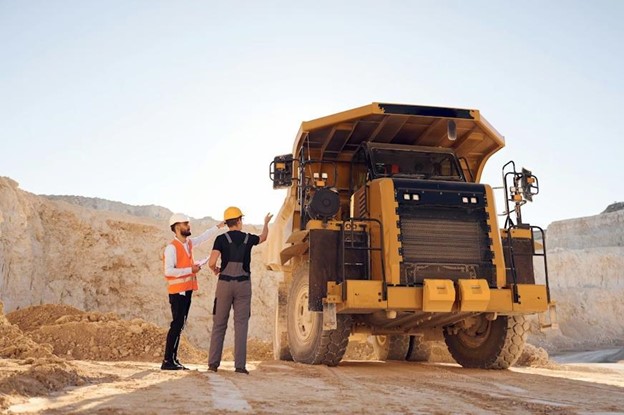
In mining, every hour of downtime hits hard. How mining equipment is maintained decides whether operations stay on track or grind to a halt. Daily inspections, condition monitoring, and scheduled servicing turn maintenance from reactive fixes into a proactive system—keeping machines reliable, crews safe, and production moving, even in the harshest environments. In this post, we’ll discuss the key strategies, tools, and practices that ensure mining equipment stays productive and long-lasting.
Mining relies on machines that work harder and longer than most industrial equipment. Continuous operation, abrasive materials, vibration, and extreme temperatures all accelerate wear. That is why maintenance is not a support function but a core operational activity. From haul trucks to crushers and breaker booms, every component depends on systematic care to remain safe, efficient, and reliable.
Effective maintenance balances prevention, monitoring, and timely repair. Rather than waiting for failure, mining operations focus on identifying early signs of wear, managing service intervals, and planning interventions that minimise disruption. The result is improved equipment availability, predictable costs, and stronger safety performance.
Table of Contents
Why Maintenance Is Central to Mining Operations
Mining equipment represents a significant capital investment. Poor maintenance shortens asset life and increases operating risk.
Industry data consistently shows that unplanned downtime can reduce production capacity by 5–20 percent, depending on mine type and operating conditions. Maintenance strategies aim to limit these losses while supporting safe working environments.
Key objectives include:
- Maintaining consistent production flow
- Reducing unexpected breakdowns
- Protecting operators and maintenance staff
- Extending component life under harsh conditions
Maintenance is therefore integrated into daily operations, not treated as a separate activity.
Core Maintenance Approaches Used in Mining
Mining equipment maintenance typically follows three complementary approaches. Each plays a role depending on machine type, workload, and operating environment.
Preventive Maintenance
Preventive maintenance follows fixed schedules based on operating hours, cycles, or time intervals. Tasks include inspections, lubrication, filter replacement, and component adjustments.
The goal is simple: address predictable wear before it causes failure. For high-impact systems such as crushers, conveyors, and breaker booms, preventive routines reduce sudden stoppages that disrupt material flow.
Predictive and Condition-Based Maintenance
Predictive maintenance uses monitoring data to assess actual equipment condition rather than relying solely on schedules.
Common indicators include:
- Vibration levels
- Oil and fluid analysis
- Temperature trends
- Hydraulic pressure stability
When readings deviate from normal ranges, maintenance teams can intervene early. This approach reduces unnecessary part replacement while improving reliability.
Corrective Maintenance
Corrective maintenance occurs when faults are identified during inspection or monitoring. While sometimes unavoidable, the aim is to limit corrective work through strong preventive and predictive systems.
In mining, corrective tasks are carefully planned to avoid safety risks and production losses.
Daily and Routine Inspection Practices
Routine inspections form the foundation of effective maintenance. Operators and technicians are trained to identify visible or audible changes that indicate developing issues.
Visual and Functional Checks
Daily inspections focus on:
- Structural integrity
- Hydraulic hose condition
- Fasteners and wear surfaces
- Leaks, cracks, or abnormal movement
These checks are particularly important for equipment exposed to constant impact, such as crushing stations and rock-handling systems.
Lubrication and Fluid Management
Lubrication reduces friction and heat, two primary causes of premature failure. Mining environments accelerate contamination, making fluid quality critical.
Scheduled lubrication ensures:
- Reduced component wear
- Stable operating temperatures
- Protection against dust and moisture ingress
Fluid analysis further supports maintenance decisions by revealing internal wear patterns.
Managing Wear Parts and High-Stress Components
Certain parts wear faster due to direct contact with rock, pressure, or vibration. Maintenance planning accounts for this predictable degradation.
Wear Monitoring
Wear parts are measured against predefined limits. Once thresholds are reached, replacements are scheduled before performance declines or safety is compromised.
This approach is commonly applied to:
- Liners and cutting edges
- Bearings and bushings
- Hydraulic components
For systems such as breaker booms, wear monitoring ensures accurate positioning and consistent performance without unexpected stoppages.
Planned Replacement Cycles
Rather than reacting to failure, mining operations plan replacements during scheduled maintenance windows. This reduces downtime and allows better coordination of labour and parts.
Maintenance Planning and Documentation
Effective maintenance relies on accurate records and structured planning.
Maintenance Schedules
Schedules align with production plans, ensuring that maintenance supports operational goals rather than disrupting them. High-usage machines receive more frequent attention, while standby equipment follows lighter schedules.
Digital Maintenance Systems
Most modern mines use computerised maintenance management systems (CMMS). These platforms track:
- Service history
- Inspection results
- Parts usage
- Equipment availability
Reliable data enables informed decisions and continuous improvement of maintenance strategies.
Safety as a Maintenance Priority
Maintenance activities often expose workers to elevated risk. Lockout procedures, isolation protocols, and clear communication are essential.
Safe maintenance practices include:
- De-energising equipment before service
- Using proper access systems and tooling
- Following documented procedures for each task
A well-maintained machine is not only more productive but also safer to operate and service.
Actionable Maintenance Takeaways
Mining operations can strengthen maintenance outcomes by focusing on practical, repeatable actions:
- Standardise inspection routines so issues are identified consistently across shifts
- Use condition data to guide maintenance timing rather than relying solely on fixed intervals
- Plan wear-part replacements around production schedules to avoid disruption
- Maintain accurate records to support long-term reliability planning
- Train operators to recognise early warning signs during daily use
These steps help convert maintenance from a reactive necessity into a strategic advantage.
Final Thoughts
Effective mining equipment maintenance is not about isolated repairs or short-term fixes. It is a continuous process built on planning, observation, and disciplined execution. Machines operating in mining environments face constant abrasion, vibration, and load stress, making early intervention far more valuable than emergency response. Well-structured maintenance systems reduce uncertainty, stabilise production output, and create safer working conditions across the site.
By combining preventive schedules with condition-based monitoring, mining operations gain better control over asset health and maintenance costs. Clear documentation, trained personnel, and consistent inspection routines ensure that problems are addressed before they escalate into failures. This approach supports longer equipment life, fewer disruptions, and improved operational confidence.
From large mobile fleets to fixed processing infrastructure and precision systems such as breaker booms, reliable maintenance keeps critical equipment aligned with production demands. When maintenance is embedded into daily operations and supported by accurate data, it becomes a driver of efficiency rather than a source of delay. Over time, this disciplined approach strengthens reliability, protects investment, and supports sustainable mining performance.
