
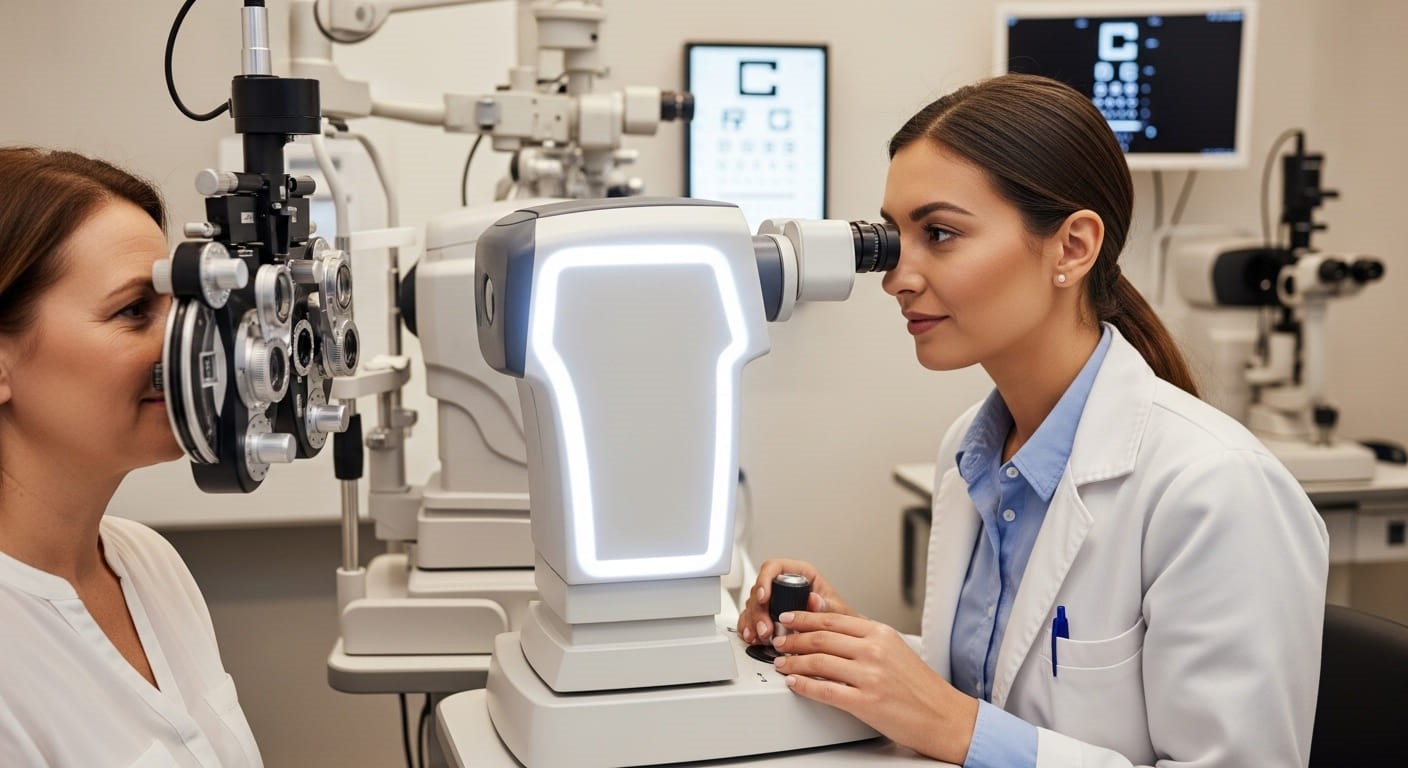
Vision is arguably our most dominant sense. It guides us through our daily commute, allows us to appreciate the stunning Australian landscape, and helps us connect with loved ones. Yet, many of us fall into the trap of the “she’ll be right” attitude when it comes to eye health. We often wait until we are squinting at a menu or struggling to read road signs before we decide to book an appointment.
The reality is that waiting for symptoms to appear can sometimes be too late. Many serious eye conditions develop silently, causing damage long before you notice a blur in your vision. This is why the role of a qualified optometrist is so critical in our healthcare system. They are the first line of defense, trained not only to correct your sight but to detect underlying health issues that affect the entire body.
Visiting an optometrist is about safeguarding your future quality of life. Whether you are working in a high-rise office in the CBD or spending your weekends surfing on the coast, your eyes are under constant stress. Understanding what these professionals do, and why early intervention matters, is the key to maintaining healthy sight for a lifetime.
Table of Contents
The Role of an Optometrist in Australian Healthcare
There is often confusion about the different types of eye care professionals. In Australia, the hierarchy and roles are distinct. An optometrist is a university-qualified healthcare professional who provides primary eye care. They are the “GPs of the eyes.”
Their scope of practice includes:
- Refraction: Measuring your eyes to determine if you need glasses or contact lenses for short-sightedness, long-sightedness, or astigmatism.
- Health Screening: Examining the internal and external structures of the eye to detect diseases like glaucoma, cataracts, and macular degeneration.
- Therapeutics: Many modern Australian optometrists are “therapeutically endorsed,” meaning they can prescribe medicated eye drops to treat infections, inflammation, and allergies.
It is important to distinguish them from ophthalmologists, who are medical doctors specializing in eye surgery and complex diseases, and optical dispensers, who are technicians trained to fit and supply glasses based on a prescription. An optometrist sits in the middle, diagnosing the issue and managing it, or referring you to a specialist surgeon if things require more invasive treatment.
Australia’s Unique Eye Health Challenges
Living in Australia comes with specific environmental factors that make regular eye exams even more necessary than in other parts of the world.
The UV Factor
We have some of the highest levels of Ultraviolet (UV) radiation on the planet. Just as UV damages your skin, it damages your eyes. Conditions like pterygium (often called “surfer’s eye”), cataracts, and even eye cancers are more prevalent here due to our harsh sun. An optometrist can assess sun damage early and advise on the correct level of UV protection in your sunglasses. This is where the intersection of health and fashion becomes vital; wearing high-quality eyewear is a medical necessity here, not merely a style choice.
The Digital Shift
Australians are heavy users of digital technology. From office workers in Sydney to students in Melbourne, we spend hours staring at screens. This has led to a rise in Digital Eye Strain. Symptoms include dry eyes, headaches, and blurred vision. An optometrist looks at how your eyes work together (binocular vision) and can prescribe specific lenses to reduce fatigue, helping you stay productive without the pain.
What Happens During a Comprehensive Eye Exam?
If you have not had an exam since primary school, you might be surprised by how much technology has advanced. A modern consultation at a premium practice like Lifestyle Optical involves much more than reading letters off a wall chart.
The Consultation
It begins with a discussion about your lifestyle. Your hobbies, your job, and your general health give the optometrist clues about what to look for. For example, a history of diabetes or high blood pressure requires a specific focus on the blood vessels in the back of the eye.
Vision Testing
This is the familiar part. You will look through a phoropter—a mask-like instrument containing many lenses—while the practitioner asks which lens makes the image clearer. This determines your exact prescription.
Ocular Health Assessment
This is the most critical part of the visit.
- Slit Lamp Exam: A microscope is used to check the front of the eye (cornea, iris, lens) for scratches, infections, or cataracts.
- Retinal Imaging: Advanced cameras take a high-resolution photograph of your retina (the back of the eye).
- OCT Scans: Optical Coherence Tomography is like an ultrasound for the eye, using light waves to see beneath the surface of the retina. This can detect glaucoma and macular degeneration years before standard tests can.
- Pressure Check: Checking the intraocular pressure is a key screening tool for glaucoma.
Medicare and Accessing Eye Care
One of the great advantages of the Australian system is accessibility. Medicare provides benefits for eye examinations, making it easier for everyone to see an optometrist.
Generally, permanent residents and citizens with a valid Medicare card are eligible for a subsidized comprehensive eye test once every three years if they are under 65, and once every year if they are over 65. However, this is a general rule. If you have a specific eye condition, a changing prescription, or a medical necessity (like diabetes), Medicare allows for more frequent visits.
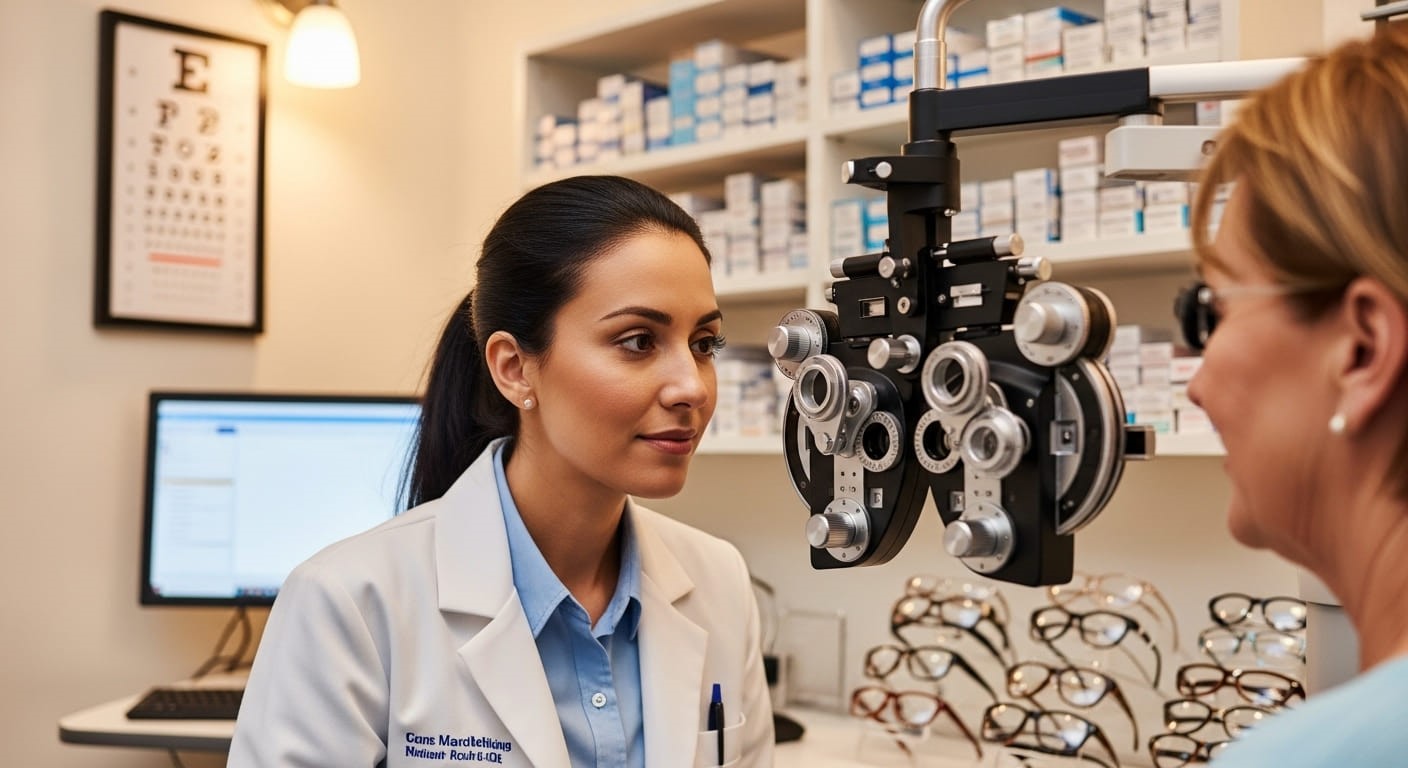
While many practices offer “bulk billing” (where the practice accepts the Medicare rebate as full payment), premium practices often charge a gap fee. This fee covers the extended time taken for the consult and the use of advanced diagnostic technology like OCT scans, which are not fully covered by the government schedule. Investing in this higher level of care often provides a more detailed picture of your health.
Children’s Vision: Learning Starts with Seeing
Vision is the primary pathway for learning. It is estimated that a significant portion of what a child learns in a classroom is presented visually. If a child cannot see the board clearly, or if they have trouble shifting focus from their book to the teacher, their learning suffers.
Children rarely complain about their vision because they assume everyone sees the world the way they do. They don’t know that text isn’t supposed to be double or that the whiteboard isn’t supposed to be blurry.
It is recommended that children have a full assessment with an optometrist before they start school and regularly throughout their education. School screenings are helpful, but they often miss coordination and focusing issues that a comprehensive exam will catch.
Fashion Meets Function: The Lifestyle Connection
Once the health check is complete, the focus shifts to vision correction. This is where lifestyle considerations are paramount. In a vibrant market like Australia, eyewear is a fashion statement.
An optometrist works closely with optical dispensers to recommend frames and lenses that suit your face shape and your life.
- Active Lifestyles: If you play sport or are constantly outdoors, you might need impact-resistant lenses or wraparound prescription sunglasses.
- Office Professionals: Anti-reflective coatings and blue-light filtering can make a massive difference to your workday comfort.
- Contact Lenses: For those who prefer a natural look, getting a proper fitting for contact lenses ensures your eyes get enough oxygen and remain hydrated.
At Lifestyle Optical, the goal is to ensure that the solution prescribed enhances your personal style while delivering the crispest possible vision.
Questions and Answers: Common Questions About Optometrist in Australia
Q: Do I need a referral from a GP to see an optometrist?
A: No, you do not need a referral. In Australia, optometrists are primary contact practitioners. You can book an appointment directly with them whenever you have a concern about your vision or eyes. If they detect a medical issue that requires surgery or advanced specialist treatment, they will then write a referral for you to see an ophthalmologist.
Q: Can an optometrist treat eye infections?
A: Yes, most modern practitioners in Australia are therapeutically endorsed. This means they are qualified to prescribe antibiotic eye drops for bacterial infections, anti-inflammatory drops for allergies, and antiviral medications for certain conditions. If you wake up with a red, sticky, or painful eye, seeing an optometrist is often faster and more effective than waiting for a GP.
Q: Will the optometrist put drops in my eyes during the test?
A: It depends on the examination. Sometimes, drops are used to dilate (widen) the pupil. This opens the “window” to the eye, allowing the practitioner to get a much better view of the retina and the optic nerve. This is common for diabetic checks or if you are seeing flashing lights. The drops will make your vision blurry for a few hours and make you sensitive to light, so bring sunglasses to your appointment.
Q: Does Medicare cover the cost of glasses or contact lenses?
A: Generally, no. Medicare covers the clinical consultation (the eye test itself) but does not cover the cost of the optical appliances (frames, lenses, or contacts). However, if you have private health insurance with “Extras” cover, you can usually claim a rebate on your glasses or contact lenses. The amount depends on your specific policy and provider.
Q: Is there a difference between a cheap eye test and a comprehensive one?
A: Yes. A basic test often focuses purely on your prescription (refraction). A comprehensive exam, particularly at a premium practice, dedicates significant time to checking the health of the eye. It involves advanced imaging technology like OCT scans and retinal photography, which provides a much deeper analysis of your eye health history. This thorough approach is the best way to prevent future vision loss.
Conclusion: Your Path to a Successful Optometrist in Australia
Your eyes are intricate, delicate, and irreplaceable. Taking care of them requires a proactive approach. Seeing an optometrist regularly is not just about updating your glasses; it is a vital health check that can detect serious conditions before they impact your life.
