
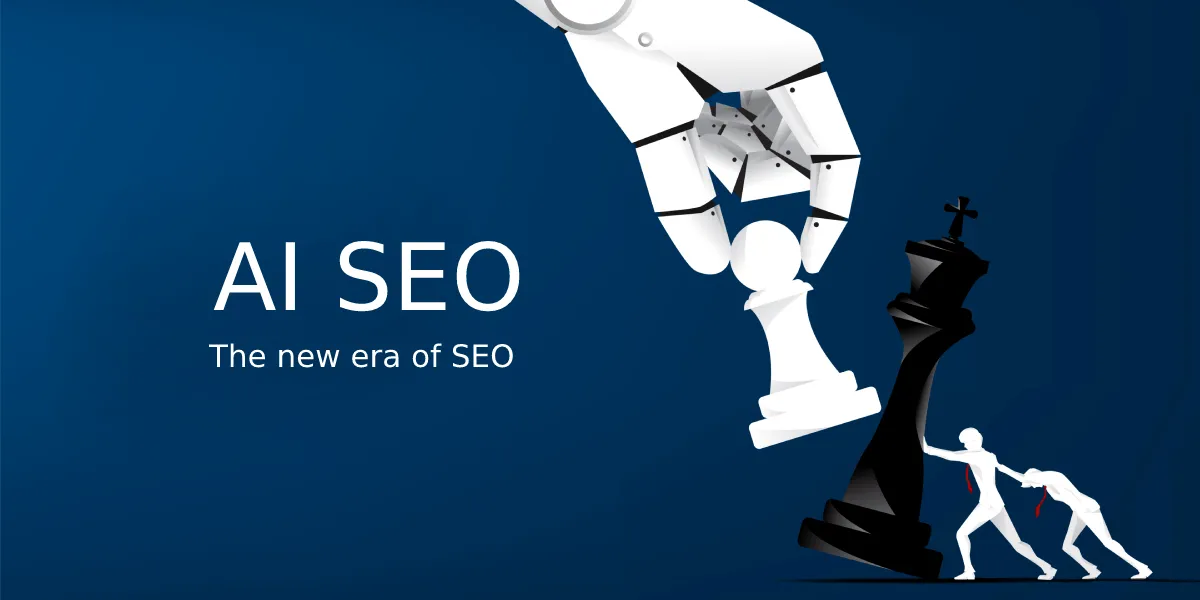
SEO has changed massively over the past few years. What worked five years ago doesn’t always work now. Search engines have become smarter, user behaviour has evolved, and artificial intelligence is playing a bigger role in how rankings are decided.
So the big question is — should brands stick with traditional SEO, or move towards AI-driven strategies? Let’s break it down properly.
Table of Contents
What Is Traditional SEO?
Traditional SEO focuses on the core fundamentals that have existed for years. These include keyword research, on-page optimisation, backlinks, technical fixes, and content creation.
It typically involves:
- Manual keyword research
- Optimising title tags and meta descriptions
- Building backlinks
- Improving website speed
- Fixing technical errors
These foundations still matter. They are not outdated. In fact, without them, no website can rank well. However, the way search engines evaluate these factors has changed significantly.
Traditional SEO is structured and rule-based. But search algorithms today are more intelligent and less predictable.
What Is AI SEO?
AI SEO uses artificial intelligence tools and machine learning to analyse large amounts of data, predict trends, and optimise content in a smarter way.
Instead of relying purely on manual processes, AI SEO helps brands:
- Identify emerging keyword opportunities
- Analyse user intent more accurately
- Predict ranking changes
- Optimise content structure automatically
- Monitor competitors in real time
An experienced AI SEO Agency combines these AI tools with human expertise to build strategies that adapt quickly to algorithm updates.
In simple terms, AI SEO works faster, analyses deeper, and reacts smarter.
How Search Engines Have Changed
Modern search engines don’t just look for keyword matches. They evaluate context, topic authority, user engagement, and intent.
For example, Google’s AI systems analyse:
- How long users stay on a page
- Whether they click back quickly
- How content connects to related topics
- Overall site authority
This shift means keyword stuffing and basic optimisation tricks no longer work. Search engines want helpful, structured, user-focused content.
That’s where AI SEO has a clear advantage.
AI SEO vs Traditional SEO: Key Differences
Here’s a simple comparison:
Traditional SEO
- Manual data analysis
- Reactive strategy updates
- Focused mainly on keywords and backlinks
- Slower adaptation to algorithm changes
- Relies heavily on human research
AI SEO
- Data-driven and predictive
- Real-time monitoring and adjustments
- Focuses on search intent and behaviour
- Faster response to ranking shifts
- Scales efficiently with automation
Traditional SEO builds the foundation. AI SEO enhances and accelerates it.
What Still Works from Traditional SEO?
Let’s be honest — traditional SEO is not useless. In fact, it remains essential.
Core elements that still work today include:
- Strong technical SEO structure
- High-quality backlinks
- Well-written, informative content
- Clear site architecture
- Optimised metadata
These fundamentals are part of professional Organic SEO Services and will always matter.
However, relying only on these basics without AI-driven insights can limit growth in a competitive market.
Where AI SEO Makes the Biggest Impact
AI SEO shines in areas where speed and data matter most.
For example:
- Identifying content gaps competitors haven’t noticed
- Analysing search intent at scale
- Predicting trending topics before they peak
- Improving internal linking automatically
- Detecting technical issues instantly
Instead of spending weeks analysing spreadsheets, AI tools process data in seconds. That efficiency provides a serious competitive edge.
This is why many brands now partner with an AI SEO Agency to stay ahead.
Is AI Replacing Human SEO Experts?
Not at all.
AI is a tool — not a replacement for strategy. It can analyse numbers and patterns, but it doesn’t understand brand voice, creativity, or customer psychology in the same way humans do.
The most effective approach today combines:
- Human strategy and creativity
- AI-powered data analysis
- Continuous optimisation
Think of AI as the engine and human expertise as the driver. Without direction, even the most advanced system won’t perform properly.
Which One Delivers Better ROI
In today’s search environment, AI-enhanced SEO generally delivers stronger long-term ROI.
Why?
Because it focuses on:
- High-intent traffic
- Behaviour-driven optimisation
- Real-time performance tracking
- Predictive strategy improvements
Traditional SEO can still generate results, but it often reacts after changes happen. AI SEO anticipates them.
When integrated into comprehensive Organic SEO Services, AI allows brands to grow sustainably rather than chasing short-term wins.
What Really Works Today?
Here’s the honest answer — it’s not about choosing one over the other.
What works today is a hybrid approach.
You need:
- Traditional SEO fundamentals
- AI-powered insights
- Consistent content strategy
- Continuous data analysis
Brands that ignore AI risk falling behind. Brands that ignore fundamentals build unstable strategies.
The winning formula in 2026 is smart integration.
Final Thoughts
SEO is no longer just about keywords and backlinks. It’s about understanding users, predicting behaviour, and adapting quickly.
Traditional SEO builds the base. AI SEO builds the advantage.
If your brand wants to stay visible, competitive, and profitable, relying solely on outdated methods isn’t enough. Working with an experienced AI SEO Agency and investing in advanced Organic SEO Services ensures your strategy keeps pace with how search actually works today.
In short — the future of SEO isn’t traditional or AI.
