
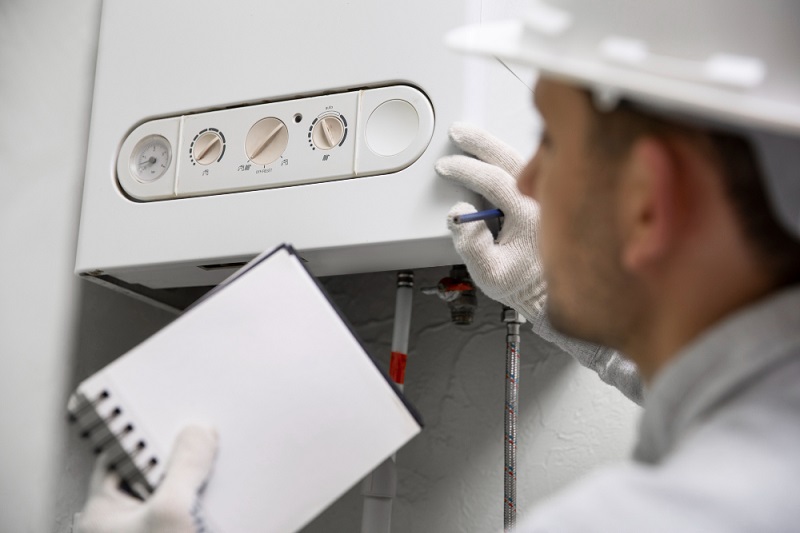
Have you ever stopped to think about how much energy your hot water system actually gobbles up each day? What if switching to a more efficient option could slash your energy bills while helping the environment? And here’s the big one – do you even know which hot water system would work best for your home?
Hot water accounts for roughly 25% of household energy consumption in Australia. That’s a massive chunk of your power bill disappearing down the drain – quite literally. Whether you’re building a new home, replacing an old unit, or simply curious about your options, understanding energy-efficient hot water systems is more important than you might realise.
In this guide, we’ll walk you through everything you need to know about modern hot water systems. From electric and gas options to heat pumps and solar hot water systems, we’ll break down how each works, what they cost, and which might suit your situation best. Plus, we’ll cover government rebates that could save you thousands. Let’s get stuck into it.
Table of Contents
How Much Energy Does a Hot Water System Actually Use?
Your hot water system is likely the second-largest energy consumer in your home, sitting right behind heating and cooling. The average Australian household uses between 50 and 200 litres of hot water daily. That adds up to some serious energy consumption over a year.
Older electric hot water systems are particularly notorious energy hogs. They work around the clock to keep water heated, even when you’re asleep or away from home. This constant cycling means you’re paying for hot water you’re not even using.
The good news? Modern energy-efficient options can cut your hot water energy use by 50-75%. That translates to hundreds of dollars saved annually. Understanding your current system’s efficiency is the first step toward making smarter choices.
.jpg)
Types of Hot Water Systems Available in Australia
Electric Hot Water Systems
Electric hot water systems remain popular across Australia due to their lower upfront costs and straightforward installation. These units use heating elements to warm water stored in an insulated tank, keeping it ready for when you need it.
How do electric hot water systems work? Simply put, cold water enters the tan,k and electric elements heat it to your desired temperature. A thermostat maintains this temperature throughout the day. When you turn on the hot tap, heated water flows out while cold water enters to replace it.
The pros include affordable purchase prices, easy installation, and no need for gas connections. However, the cons are significant – electric hot water systems typically have higher running costs than other options. They’re also less environmentally friendly unless paired with solar panels.
For smaller households or apartments, a 125 litre hot water system or 125l hot water system offers a compact solution. These small hot water system options fit neatly into tight spaces while providing adequate hot water for one or two people.
Gas Hot Water Systems
When comparing efficiency, many homeowners ask: is a gas hot water heater more efficient than electric? Generally speaking, yes. Gas systems typically cost less to run, particularly if you have access to natural gas rather than bottled LPG.
Gas storage hot water systems work similarly to electric versions but use a gas burner instead of electric elements. The alternative – continuous flow systems – heat water on demand rather than storing it. This means you only pay to heat water you actually use.
Popular models like the Rinnai Infinity 20 offer excellent performance for medium to large households. For those wanting storage options, the Rheem Stellar 360 delivers reliability and efficiency. Both brands have strong reputations in Australia for durability and after-sales support.
The main advantage of continuous flow over storage? You’ll never run out of hot water mid-shower. However, multiple simultaneous uses can stretch smaller units.
Heat Pump Hot Water Systems
Here’s where things get exciting. Heat pump hot water systems are revolutionising how Australians heat their water. But what exactly is a heat pump water heater, and how does it work?
Think of it like a reverse refrigerator. Instead of removing heat from inside a box, a heat pump extracts warmth from the surrounding air and transfers it to your water. This process uses significantly less electricity than traditional electric systems – we’re talking up to 75% less energy.
Heat pump water heater vs gas – which wins? In most cases, heat pumps come out ahead for running costs, especially in warmer climates where there’s plenty of ambient heat to extract. They’re also better for the environment since they don’t burn fossil fuels directly.
Solar Hot Water Systems
Solar hot water systems harness Australia’s abundant sunshine to heat your water for free – well, almost free. After the initial investment, your ongoing costs drop substantially.
How does a solar hot water system work? Roof-mounted collectors absorb sunlight and transfer that heat to water circulating through the system. This heated water then moves to a storage tank for later use. Most systems include a booster (electric or gas) for cloudy days.
Heat exchanger hot water technology plays a crucial role here. In closed-loop systems, a heat exchanger transfers warmth from the collector fluid to your household water without mixing them. This prevents freezing in cooler climates and extends system life.
.jpg)
Choosing the Right Hot Water System for Your Home
What Size Hot Water System Do I Need?
Picking the right size depends on your household’s hot water demands. As a rough guide:
- 1-2 people: 125-160 litres (storage) or small continuous flow
- 3-4 people: 250-315 litres (storage) or medium continuous flow
- 5+ people: 315+ litres (storage) or large continuous flow
For units and apartments where space is limited, small hot water system options like compact heat pumps or continuous flow gas units work brilliantly. They mount externally or fit into cupboards without dominating your living space.
Which Hot Water System Is Most Energy Efficient?
Looking purely at efficiency, heat pumps and solar systems lead the pack. Heat pumps use about 30% of the energy of conventional electric systems, while solar can reduce energy consumption by 50-90%, depending on your location and system size.
Gas continuous flow systems come next, offering efficiency benefits over storage systems by only heating water when needed. Traditional electric storage systems rank lowest for efficiency, though they remain the cheapest upfront.
Government Rebates and Incentives
Here’s brilliant news for anyone considering upgrading. Australian governments offer generous rebates for energy-efficient hot water systems, particularly heat pumps.
Federal Small-scale Technology Certificates (STCs) provide point-of-sale discounts worth $500-1,000 depending on your location and system type. State programs often stack on top of this. Victoria’s rebate program, for example, offers up to $1,000 for eligible households to install heat pump systems.
To maximise savings when you upgrade:
- Check both federal and state rebate programs
- Ensure your chosen system meets eligibility requirements
- Use accredited installers
- Apply before purchasing where required
These incentives can reduce your out-of-pocket costs by 30-50%, making premium systems surprisingly affordable.
.jpg)
Maintenance and Longevity Tips
How long do hot water systems last? With proper care, you can expect:
- Electric storage: 10-15 years
- Gas storage: 10-12 years
- Gas continuous flow: 15-20 years
- Heat pumps: 10-15 years
- Solar: 15-20 years
Simple maintenance extends system life significantly. Annual inspections, regular pressure relief valve testing, and periodic anode rod replacement (for storage systems) keep everything running smoothly. For heat pumps, keeping the evaporator coil clean ensures maximum efficiency.
Making the Switch to Energy-Efficient Hot Water
Choosing the right hot water system for your home doesn’t need to feel overwhelming. We’ve covered the major options – from traditional electric hot water systems and gas hot water systems through to modern heat pumps and solar hot water systems. Each has its place depending on your circumstances, budget, and environmental priorities.
The key takeaway? Investing in energy efficiency pays off. Whether that means upgrading to a heat pump hot water system, going solar, or simply choosing a more efficient gas option, you’ll likely save money over the system’s lifetime while reducing your environmental footprint.
Take time to assess your household’s needs, explore available rebates, and get quotes from reputable installers. Your future self – and your wallet – will thank you for making an informed choice now. Ready to make the switch? There’s never been a better time to upgrade to energy-efficient hot water.
