
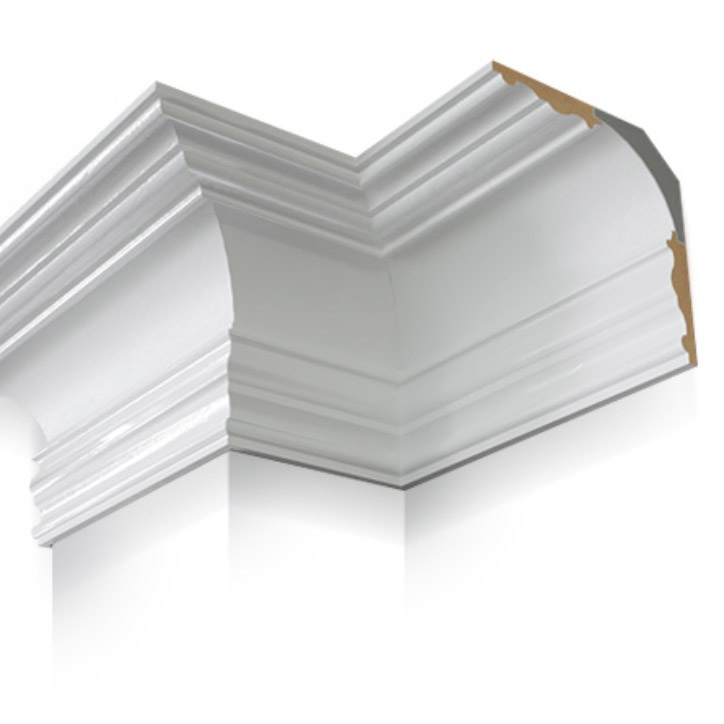
Choosing the right skirting boards for your home may seem like a minor detail, but it can dramatically impact the overall aesthetics and functionality of your space. Skirting boards not only hide the gap between walls and floors but also protect your walls from scuffs, furniture marks, and general wear. With so many skirting board types available, it’s essential to understand the pros and cons of each material before making a decision. Period Mouldings specializes in a wide range of skirting solutions that can enhance both traditional and modern interiors.
Table of Contents
What Are Skirting Boards and Why Do They Matter?
Skirting boards are long, narrow boards installed at the base of interior walls. Their primary function is to provide a protective barrier against knocks and abrasion from furniture or foot traffic. Beyond protection, they serve a decorative purpose by adding a finished look to a room. The right skirting board can complement your floor, wall colors, and overall design theme.
Choosing the correct material is crucial because different skirting board types offer varying levels of durability, maintenance, and aesthetic appeal. The ideal choice depends on your home’s style, your budget, and the level of wear and tear you expect in the space.
Which Skirting Board Types Are Commonly Used?
There are several skirting board types available in the market today, each offering unique characteristics. The most popular options include MDF, solid wood, PVC, and softwood.
1. MDF Skirting Boards: Affordable and Versatile
MDF, or Medium Density Fiberboard, is one of the most commonly used materials for skirting boards. It is made by compressing wood fibers and resin, resulting in a smooth, consistent material that is easy to paint.
Pros of MDF Skirting Boards:
- Cost-effective compared to solid wood
- Smooth surface, ideal for painting
- Resistant to warping or splitting
- Easy to cut and install
Cons of MDF Skirting Boards:
- Susceptible to water damage if not sealed properly
- Less durable than solid wood
- Can swell if exposed to excessive moisture
MDF skirting boards are perfect for interior rooms like living rooms, bedrooms, and hallways, where water exposure is minimal. Period Mouldings offers a variety of MDF options that can be customized in height and profile to suit any interior design.
2. Solid Wood Skirting Boards: Classic and Durable
Solid wood skirting boards provide a traditional and elegant look. Oak, pine, and beech are popular choices for those who prefer a natural wood finish.
Pros of Solid Wood Skirting Boards:
- Extremely durable and long-lasting
- Can be stained or painted
- Offers a premium, high-end look
- Can be sanded and refinished if damaged
Cons of Solid Wood Skirting Boards:
- More expensive than MDF or PVC
- Can warp or crack in high humidity areas
- Requires regular maintenance to retain its finish
Solid wood is ideal for homes that want a timeless appeal or for rooms with heavy foot traffic. Its natural grains and textures add warmth and sophistication to interiors.
3. PVC Skirting Boards: Water-Resistant and Low Maintenance
PVC skirting boards are made from polyvinyl chloride, making them highly resistant to water, termites, and rot. They are an excellent choice for kitchens, bathrooms, and basements.
Pros of PVC Skirting Boards:
- Waterproof and resistant to moisture
- Easy to clean and maintain
- Lightweight and easy to install
- Resistant to dents and scratches
Cons of PVC Skirting Boards:
- Can look less premium than wood
- Limited options for staining
- May expand slightly in extreme temperatures
PVC skirting boards are ideal for modern homes where functionality and durability are a priority. They offer a sleek, minimalist look that fits well with contemporary décor.
4. Softwood Skirting Boards: Lightweight and Affordable
Softwood skirting boards, typically made from pine or fir, are a budget-friendly option. They are lighter and easier to work with compared to hardwood.
Pros of Softwood Skirting Boards:
- Affordable and widely available
- Lightweight and easy to cut
- Can be painted or stained
- Works well in less humid environments
Cons of Softwood Skirting Boards:
- Less durable than hardwood
- Can dent or scratch easily
- Requires painting or staining for long-term protection
Softwood is a good choice for DIY projects or for homeowners looking for a cost-effective skirting solution. When painted or stained properly, softwood skirting boards can mimic the appearance of more expensive hardwood options.
How to Choose the Best Skirting Board Material for Your Home
Selecting the right skirting board material depends on several factors, including the room’s purpose, interior design style, and your budget.
Consider Your Home’s Style
If your home has a modern interior, MDF or PVC skirting boards are ideal because of their smooth finish and clean lines. For traditional or period-style homes, solid wood skirting boards provide a timeless and elegant appeal.
Assess Durability Needs
High-traffic areas such as hallways and living rooms may require more durable materials like solid wood or PVC. Bathrooms, kitchens, and basements should prioritize water-resistant options such as PVC or properly sealed MDF.
Factor in Maintenance
Some materials require regular upkeep to maintain their appearance. Solid wood may need periodic polishing, while MDF and PVC can be easily cleaned with a damp cloth. Softwood boards need painting or staining to prevent damage and maintain aesthetics.
Budget Considerations
Your budget will significantly influence your choice. MDF is cost-effective and ideal for budget-conscious homeowners, while solid wood is a premium choice that adds long-term value to your property. PVC offers a balance between durability and cost, making it suitable for functional spaces.
Can Skirting Boards Enhance Your Home’s Value?
Yes! Well-chosen skirting boards can enhance your home’s visual appeal, create a cohesive design, and even increase property value. They serve as subtle but essential finishing touches that tie together flooring, walls, and furniture. Investing in high-quality skirting boards ensures that your interior looks polished and professional.
Why Choose Period Mouldings for Your Skirting Board Needs?
When it comes to selecting the right skirting board types, trust Period Mouldings for quality, variety, and expertise. They offer an extensive range of materials, sizes, and designs to match any home décor. Whether you prefer modern MDF, classic solid wood, or practical PVC, Period Mouldings ensures superior craftsmanship and easy installation. Their team also provides expert advice to help you choose skirting boards that perfectly suit your home’s style and functional needs.
Conclusion: Selecting the Perfect Skirting Board Material
Choosing the best material for your skirting boards requires careful consideration of style, durability, maintenance, and budget. MDF offers versatility and affordability, solid wood provides elegance and longevity, PVC ensures water resistance and low maintenance, and softwood delivers a budget-friendly, lightweight option.
With the wide range of skirting board types available, your choice can transform your interior design and protect your walls for years to come. Trust Period Mouldings to provide high-quality skirting boards that enhance your home’s aesthetic and functional appeal.
