
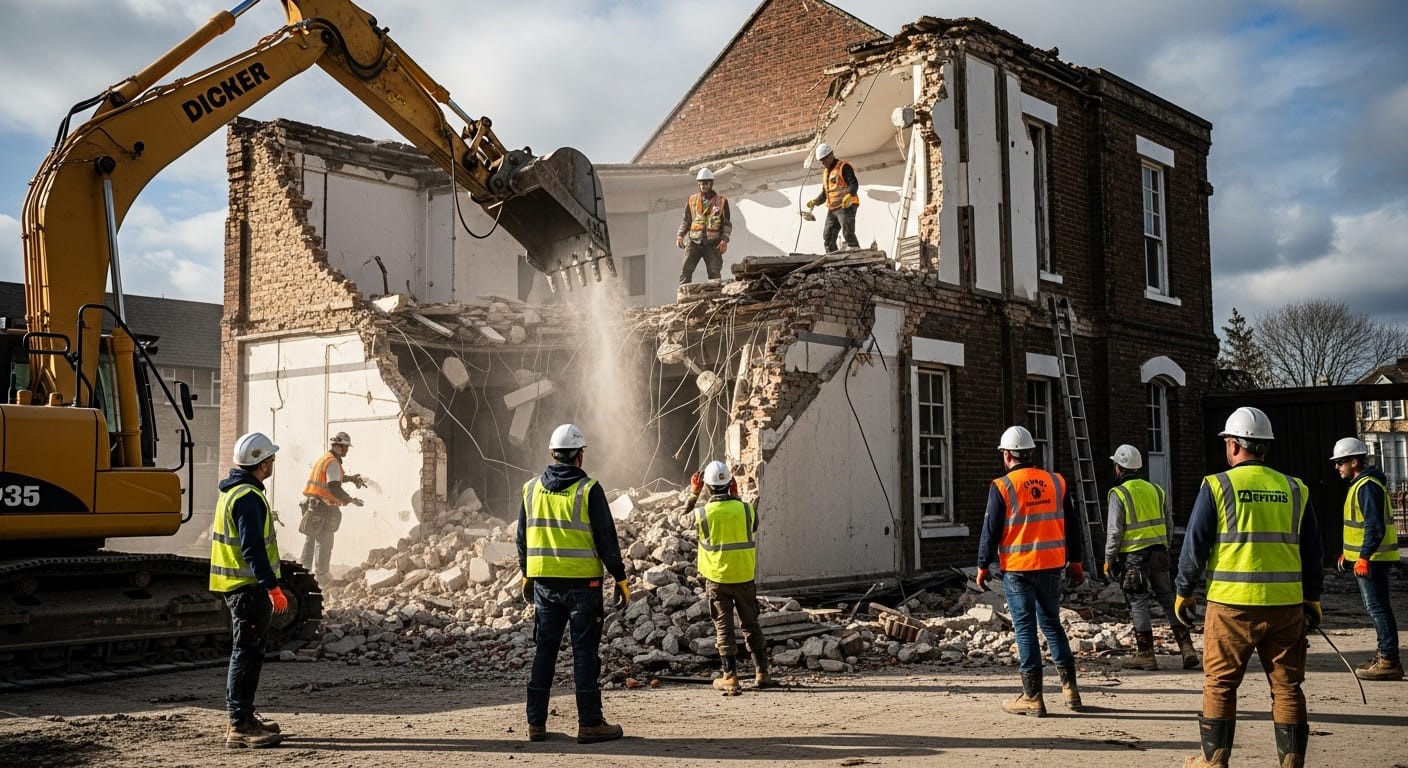
When you look at an old house sitting on a prime piece of land, you see potential. You see the future site of a modern family home or a smart investment property. However, standing between you and that future is a structure that needs to come down. To the untrained eye, knocking down a house might seem like a simple exercise in brute force. Rent an excavator, swing the boom, and load the rubble into a truck.
The reality of the construction industry in Australia is vastly different. Demolition is a highly regulated, high-risk activity that requires precision, planning, and specialized knowledge. Attempting to manage this process yourself or hiring a general contractor who “dabbles” in demolition is a gamble that rarely pays off.
This is where engaging a dedicated demolition specialist transforms the project. These experts do more than just knock down walls. They navigate the complex web of council permits, manage hazardous materials like asbestos, and ensure the site is left in a condition that builders love. Understanding the value they bring helps explain why cutting corners at this stage often leads to blown budgets and delayed timelines.
Table of Contents
The Hidden Complexity of Demolition
Demolition is often described as “reverse construction.” Just as you wouldn’t build a house without a plan, you cannot un-build one without a strategy. A specialist understands the structural integrity of a building. They know which load-bearing walls to remove first to prevent a premature collapse that could damage neighbouring properties or injure workers.
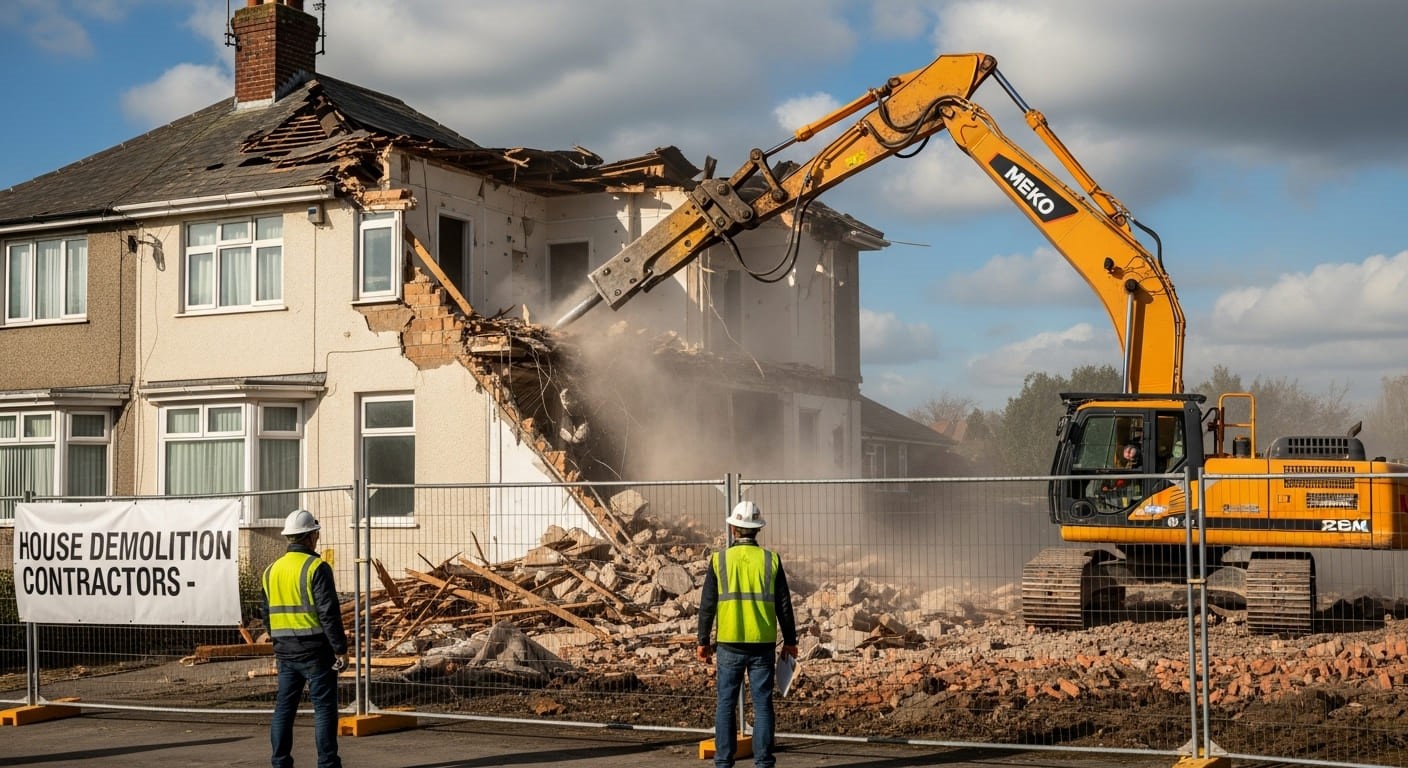
In dense suburbs, this precision is critical. You might be demolishing a semi-detached home or a property with a zero-boundary wall. A general excavator operator might not have the finesse to separate two structures without causing cracks in the neighbour’s brickwork. A demolition specialist uses specific techniques—sometimes even hand demolition—to surgically remove the building while protecting the surroundings. This level of care prevents costly liability claims and disputes with neighbours that can stall your new build before it even begins.
Managing the Asbestos Risk
The shadow of asbestos hangs over the Australian building industry. Thousands of homes built before the late 1980s contain this hazardous material in eaves, bathroom linings, fencing, and roof sheeting.
If you hire a non-specialist who rips into an asbestos-clad wall with an excavator, the consequences are severe.
- Health Risk: Asbestos fibers are released into the air, endangering workers and neighbours.
- Site Contamination: The entire site becomes contaminated. The soil might need to be scraped and disposed of as hazardous waste, costing tens of thousands of dollars.
- Legal Shutdown: Authorities like SafeWork NSW can shut down your site immediately and issue massive fines.
A demolition specialist follows a strict protocol. They identify asbestos during the initial site inspection. Before any heavy machinery arrives, a licensed removal team strips the hazardous material carefully, wraps it, and transports it to a lawful waste facility. They provide a clearance certificate, giving you the legal green light to proceed safely.
The Efficiency of the Workflow
Time is money in construction. Every day your site sits idle is a day you are paying interest on your loan without progress.
A specialist team operates like a well-oiled machine. They have the right equipment for the job—from large 30-tonne excavators for the main structure to compact bobcats for tight access work. They don’t rent equipment; they own it and know how to use it efficiently.
Furthermore, they have established relationships with recycling centers and tips. They know where to take concrete to be crushed for road base and where to send timber for mulching. This efficient waste stream management keeps disposal costs down and ensures trucks are not waiting in line for hours, keeping the project moving at a rapid pace.
Navigating Council and Utility Requirements
Before a single brick is touched, a mountain of paperwork must be climbed. You need a Demolition Permit (often part of a Complying Development Certificate or DA). You need to disconnect electricity and gas, which involves coordinating with energy providers to abolish the service lines safely.
If you try to handle this yourself, you will likely spend weeks on hold with call centers and dealing with council requests for sediment control plans. A demolition specialist handles this administration daily. They have the contacts and the templates ready to go. They submit the applications, book the disconnects, and ensure all the boxes are ticked so the demolition can start on the scheduled date.
The Financial Argument: Fixed Costs vs. Variations
When you hire a general contractor, the initial quote might look attractive. However, “variations” often start appearing quickly. “We didn’t know the slab was that thick,” or “We found extra roots in the pipes.”
A reputable demolition specialist provides a comprehensive quote based on experience. They know to check for deep footings. They account for the tree removal. They include the cost of the safety fencing and the sediment control barriers.
While their upfront price might seem higher than a “man with a van,” it is usually a fixed cost. You know exactly what you are paying. Avoiding the surprise bills for site contamination or council fines makes the specialist the cheaper option in the final accounting.
Site Preparation for the Builder
The ultimate goal of demolition is to hand over a “clean slate” to the builder. Builders can be fussy. If they arrive on site and find old terracotta pipes left in the ground or rubble mixed into the soil, they will charge you for site cleaning.
A specialist understands what a builder needs. They perform “grubbing” of the site, which means ripping out all the old root systems and footings. They rake the soil to remove small debris. They leave the site level and compacted, ready for the new slab to be poured. This smooth handover builds a good relationship with your builder and ensures your construction phase starts on the right foot.
Questions and Answers: Common Questions About demolition specialist in Sydney
Q: Do I need approval to demolish my house?
Yes, absolutely. In New South Wales and most of Australia, you cannot demolish a structure without approval. This is usually done through a Complying Development Certificate (CDC) via a private certifier or a Development Application (DA) through the local council. A demolition specialist can often help guide you to the right certifier to streamline this process.
Q: Can they remove the driveway too?
Yes. Most demolition quotes can include the removal of driveways, paths, and garden landscaping. However, the “crossover” (the section of the driveway on council land between your boundary and the road) usually needs to stay unless you have specific approval to replace it. A specialist will know the rules regarding council assets.
Q: What happens to the materials from the old house?
Recycling is a huge part of the modern demolition industry. Concrete and bricks are crushed for reuse. Metal is sent to scrap yards. Timber is often mulched. A good specialist aims to recycle over 75% of the building material, reducing the amount of waste sent to landfill and lowering the environmental impact of your project.
Q: How long does it take to get the electricity disconnected?
This is often the longest lead time in the project. Abolishing the power and gas supply can take anywhere from 2 to 4 weeks, depending on the provider. It is crucial to start this process as soon as you decide to demolish. Your demolition specialist will usually advise you to initiate this early to prevent delays on the start date.
Q: Is my pool removal included in the standard demolition?
Usually, pool removal is quoted as a separate item because it involves specific work. A concrete pool needs to be broken up, the void filled with clean fill, and the soil compacted properly to prevent the ground from sinking later. If you want the pool gone, make sure you discuss it specifically with your specialist so they can engineer the fill correctly.
Conclusion: Your Path to a Successful demolition specialist in Australia
The decision to rebuild is a major investment in your future. It is a journey with many steps, and the very first step sets the tone for everything that follows. Demolition is not just about destruction; it is about preparation. It is about clearing the path safely, legally, and efficiently.
