
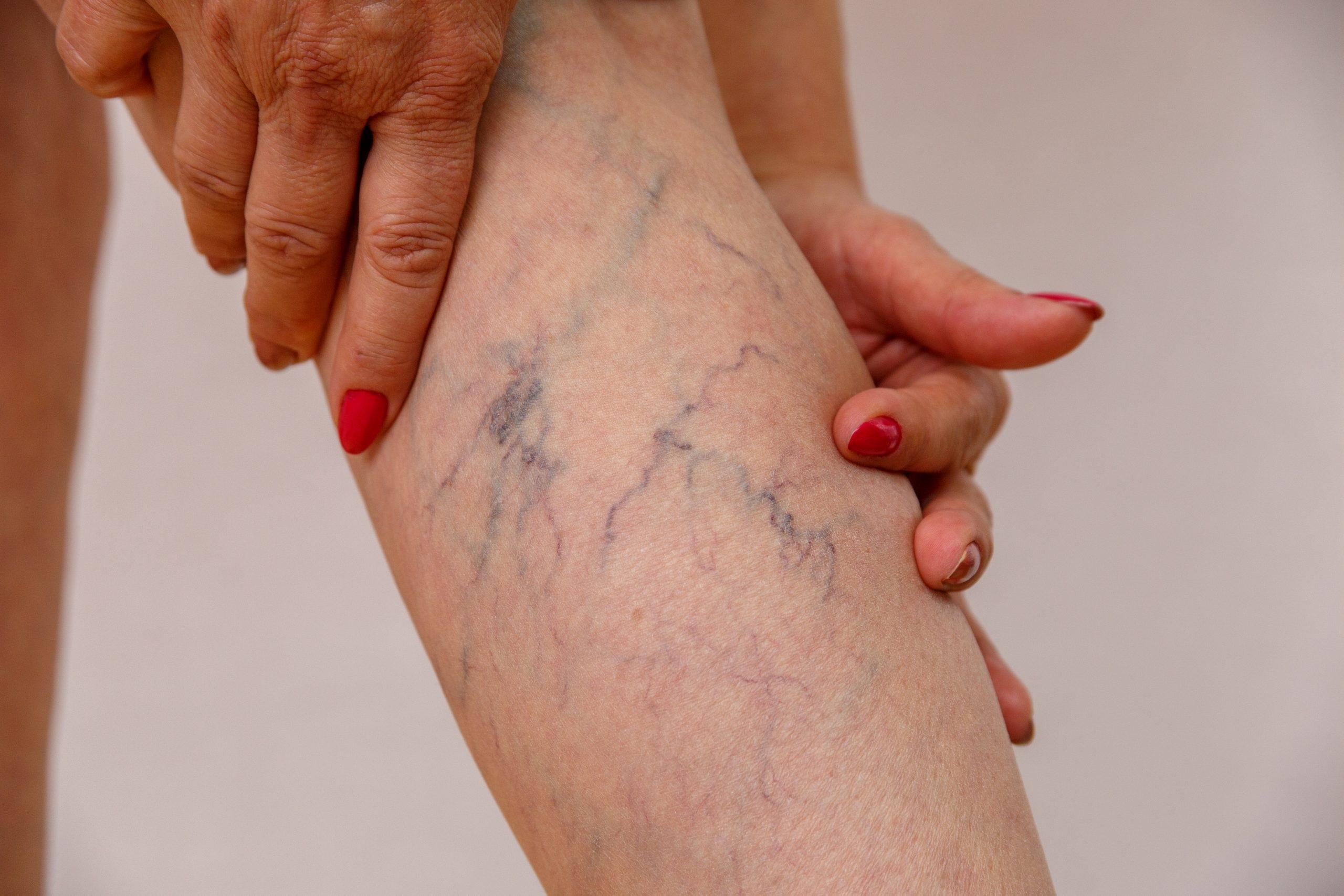
Varicose veins are more than a cosmetic concern. They can cause pain, swelling, heaviness, itching, and even serious circulation problems if left untreated. Many people delay care simply because they feel unsure about what kind of doctor treats veins or where to start. Understanding which specialist handles vein conditions helps you get faster relief and better long-term results.
This guide explains the types of doctors who treat varicose veins, what a vein specialist does, and how to choose the right provider for your needs.
Table of Contents
What Are Varicose Veins and Why Do They Need Medical Attention?
Varicose veins develop when vein valves weaken or fail, allowing blood to pool instead of flowing back to the heart. This pressure causes veins to twist, bulge, and become visible under the skin, most commonly in the legs.
While some people think varicose veins are only a cosmetic issue, untreated vein disease can progress. Symptoms may worsen over time and lead to skin discoloration, ulcers, blood clots, or chronic venous insufficiency. Seeing the right doctor early helps prevent complications and improves circulation and comfort.
What Kind of Doctor Treats Veins?
One of the most common questions patients ask is what kind of doctor treats veins. The answer depends on the severity of your symptoms and the type of vein problem you have.
Several medical professionals treat vein conditions, but not all specialize in varicose veins. The most appropriate doctors include:
- Vein specialists
- Vascular surgeons
- Interventional radiologists
- Phlebologists
- Dermatologists (for cosmetic vein issues)
Among these, vein specialists and vascular surgeons typically offer the most comprehensive care for varicose veins.
What Kind of Doctor Is a Vein Specialist?
Many patients also wonder what kind of doctor is a vein specialist and how they differ from other providers. A vein specialist is a physician with advanced training in diagnosing and treating venous disorders. These doctors focus specifically on vein health and use minimally invasive techniques to treat varicose and spider veins.
Vein specialists often come from backgrounds such as vascular surgery, interventional radiology, or cardiology. They receive additional training in venous disease management, ultrasound diagnostics, and modern vein treatments. Their focused expertise makes them a top choice for patients seeking effective, non-surgical care.
How Does a Vascular Surgeon Treat Varicose Veins?
A vascular surgeon specializes in conditions affecting blood vessels, including arteries and veins. These doctors diagnose and treat complex vein disease, especially when symptoms are severe or complications are present.
Vascular surgeons can perform both minimally invasive vein procedures and surgical treatments when necessary. While surgery is less common today, their broad expertise ensures safe care for advanced venous conditions. Many vein centers include vascular surgeons as part of their medical team to manage a wide range of cases.
When Should You See a Vein Specialist Instead of a General Doctor?
Primary care physicians often serve as the first point of contact for vein symptoms. They can evaluate your condition and refer you to the appropriate specialist. However, if you already have visible varicose veins, leg pain, swelling, or skin changes, seeing a vein specialist directly may save time.
Vein specialists use advanced diagnostic tools, such as duplex ultrasound, to assess blood flow and identify underlying valve problems. Early diagnosis leads to targeted treatment and faster symptom relief.
What Treatments Do Vein Specialists Offer for Varicose Veins?
Modern vein care has evolved significantly. Vein specialists now provide minimally invasive treatments that require little downtime and deliver excellent results. Common options include:
- Endovenous laser therapy (EVLT)
- Radiofrequency ablation
- Sclerotherapy
- Ultrasound-guided foam injections
- Microphlebectomy
These treatments close or remove damaged veins, allowing healthy veins to restore proper circulation. Most procedures are performed in-office and take less than an hour.
How Does a Vein Center Improve Your Treatment Experience?
Choosing a dedicated vein center offers several advantages. Vein centers focus solely on vein health and combine diagnostic imaging, consultation, and treatment in one location. This streamlined approach improves accuracy and patient comfort.
Centers like Vein Treatment Long Island provide comprehensive vein care using advanced technology and personalized treatment plans. Patients benefit from experienced specialists who focus exclusively on venous conditions rather than general vascular issues.
