
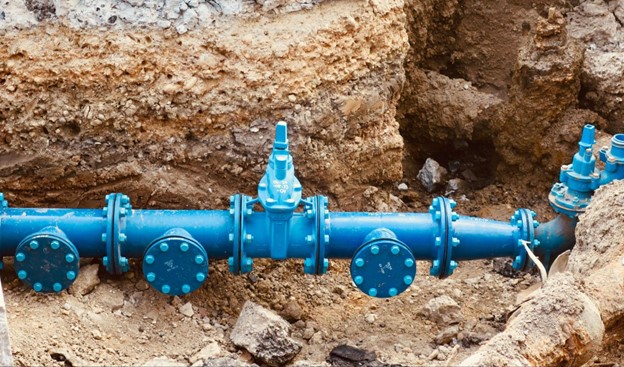
Water leaks waste resources, raise costs, and weaken infrastructure if left untreated. Modern leak repair relies on advanced detection tools, precise repair methods, and smart materials. Understanding these methods and technologies helps property owners and asset managers respond faster, reduce damage, and extend the life of water systems with confidence.
Water leaks typically occur silently, without immediate or visible indicators. They develop quietly, often underground or behind structures, and escalate into serious problems if ignored. Effective repair depends on identifying the source accurately and applying the right solution at the right time. Today, leak repair services combine advanced technologies with proven repair techniques to minimise disruption and ensure long-term reliability. From non-invasive detection to precision sealing and pipe rehabilitation, modern approaches are designed to be faster, cleaner, and more accurate than traditional methods. Understanding these methods empowers decision-makers to manage leaks proactively, protect assets, and avoid unnecessary water loss or structural damage.
Table of Contents
Key Elements Behind Successful Leak Repair
Effective leak repair starts with a clear process. Before tools or materials are chosen, professionals assess the system, understand how the leak behaves, and plan the most appropriate response. This foundation ensures that repairs are accurate and lasting.
Accurate diagnosis prevents unnecessary work and reduces the risk of repeated failures later.
1. Accurate Leak Identification
Locating the exact source of a leak is essential. Water can travel along pipes, soil layers, or structural elements, meaning visible damage is not always where the leak originates. Proper identification ensures the repair addresses the real fault.
Key elements considered during identification include:
- Pipe material and diameter
- Operating pressure within the system
- Depth and accessibility of the pipe
- Environmental conditions surrounding the leak
This information guides the choice of detection and repair methods.
Advanced Leak Detection Technologies
Modern leak repair depends heavily on technology that removes uncertainty from the process. Detection tools are designed to locate leaks precisely while keeping surface disruption to a minimum.
These technologies are often combined to confirm results and improve confidence before repair work begins.
1. Acoustic Detection Systems
Acoustic detection identifies the sound created when pressurised water escapes from a pipe. Different materials produce different sound patterns, which modern equipment can interpret accurately.
This method is widely used because it allows leaks to be traced without excavation. It is particularly effective for underground pipes where visual inspection is not possible.
2. Correlation Technology
Correlation technology refines acoustic detection by using sensors placed at two points along a pipe. By analysing sound travel time, it calculates the exact location of the leak.
Its main advantages include:
- High precision over long pipe sections
- Reduced time spent locating the fault
- Minimal surface disturbance during investigation
This technology is especially useful in complex pipe networks.
3. Pressure and Flow Monitoring
Pressure and flow monitoring focuses on detecting abnormal system behaviour. Small but consistent changes often signal hidden leaks developing over time.
This approach supports early intervention and helps organisations shift from reactive repairs to planned maintenance.
Non-Invasive Inspection Techniques
Non-invasive inspection methods allow professionals to confirm leak locations without damaging walls, floors, or ground surfaces. These techniques add confidence before repairs begin.
1. Thermal Imaging Technology
Thermal imaging detects temperature variations caused by escaping water. Even when pipes are concealed, moisture creates identifiable thermal patterns.
This method is often used to narrow down suspected leak areas and avoid unnecessary opening of structures.
2. Tracer Gas Detection
Tracer gas detection introduces a safe gas into the pipe system. The gas escapes at the leak point and is detected above ground.
This technique is particularly useful when:
- Leaks are very small
- Noise-based methods are ineffective
- Pipes run beneath solid surfaces
It provides clear confirmation when other tools are inconclusive.
Modern Leak Repair Methods
After accurate detection, the focus moves to repair. Modern repair methods prioritise precision, durability, and minimal disruption to surrounding areas.
Choosing the right method depends on pipe condition, access, and long-term performance goals.
1. Localised Pipe Repairs
Localised repairs target only the damaged section of pipe. This avoids replacing long sections that are still in good condition.
Common characteristics of localised repairs include:
- Faster completion times
- Lower overall costs
- Reduced environmental impact
These repairs are ideal when damage is limited and clearly defined.
2. Pipe Relining Techniques
Pipe relining creates a new internal lining inside the existing pipe. This restores structural integrity and prevents future leaks.
Relining is often chosen when excavation would be disruptive or impractical, offering a long-term solution with minimal surface impact.
Materials Used in Effective Leak Repair
Successful repairs depend not only on technique but also on the materials used. Advances in material technology have greatly improved repair durability.
1. High-Performance Sealants
Modern sealants are designed to remain flexible while maintaining a strong seal under pressure. They adapt to movement and temperature changes without cracking.
Key benefits include:
- Long-term resistance to pressure fluctuations
- Compatibility with various pipe materials
- Reduced risk of repeat leaks
These sealants play a critical role in repair reliability.
2. Reinforced Repair Components
Clamps, sleeves, and liners now use corrosion-resistant and composite materials. These materials provide strength without adding excessive bulk.
Improved component design reduces maintenance needs and supports long service life.
Digital Tools and Data-Driven Repair
Leak repair increasingly relies on digital systems that turn detection data into actionable insight. These tools improve planning and decision-making.
1. Data Analysis and Mapping Systems
Digital mapping systems present leak data visually, helping teams identify patterns and prioritise repairs.
They support:
- Better asset management decisions
- Identification of recurring problem areas
- More efficient repair scheduling
Over time, data-driven approaches improve system resilience.
2. Smart Monitoring Systems
Smart sensors provide continuous feedback on pipe performance. They detect changes early and reduce the likelihood of emergency repairs.
This technology supports long-term planning and predictable maintenance cycles.
Choosing the Right Repair Strategy
Every leak is different. Selecting the right repair strategy requires balancing technical conditions with operational goals.
Factors That Influence Repair Choice
Professionals consider several factors before recommending a solution:
- Age and condition of the pipe
- Severity and location of the leak
- Accessibility and surface constraints
- Desired lifespan of the repair
A tailored approach delivers better outcomes and lower long-term risk.
The Role of Professional Expertise
Advanced tools are only effective when used correctly. Skilled professionals ensure technology is applied accurately and repairs are executed to a high standard.
Skilled Assessment and Execution
Experienced teams interpret data, select suitable methods, and apply repairs safely. This expertise is why professional leak repair services remain essential for complex or high-risk situations.
Actionable Tips for Effective Leak Management
Successful leak repair is supported by informed decisions and timely action.
Practical Guidance for Better Outcomes
Following best practice can significantly improve repair success:
- Respond quickly to pressure or flow changes
- Invest in accurate detection before repair
- Prefer non-invasive methods where possible
- Match repair techniques to pipe condition
- Work with experienced specialists
These steps help reduce disruption and protect infrastructure.
Conclusion
Effective leak repair is now a precise, technology-led process rather than a disruptive guessing exercise. Advanced detection tools, non-invasive inspection methods, durable materials, and digital monitoring systems all work together to deliver reliable results. By focusing on accuracy first and repair second, modern approaches reduce water loss and prevent repeat failures. Professional leak repair services ensure that these methods are applied correctly, turning technical data into practical solutions. Understanding how these technologies and methods work allows organisations to make smarter decisions, control costs, and extend the life of their water systems. Ultimately, informed leak repair strategies protect assets, support sustainability, and provide long-term confidence in infrastructure performance.
