
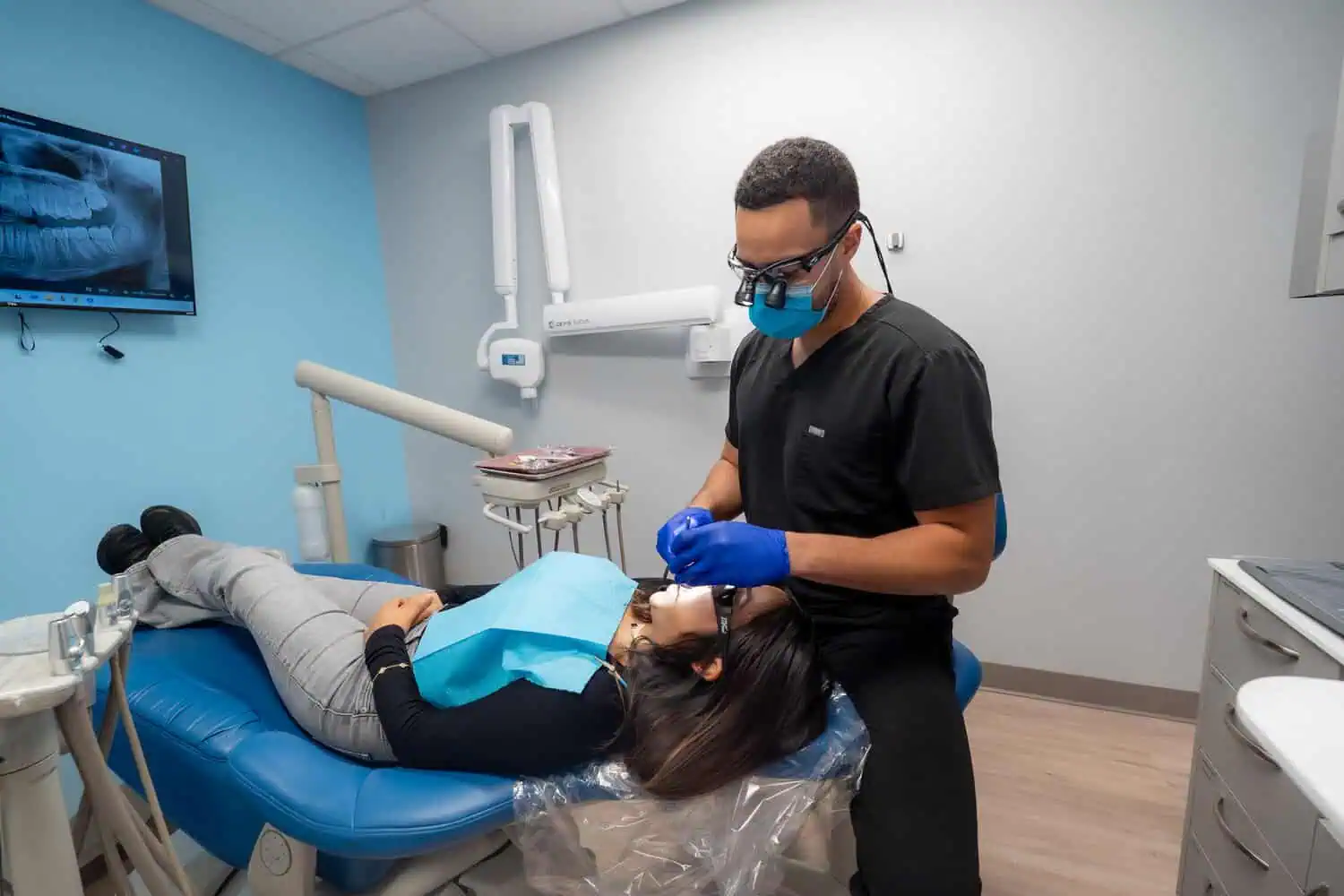
Understanding the procedure for getting a composite filling can help you feel confident and prepared before your dental appointment. Composite dental fillings are a popular, modern solution for repairing cavities and minor tooth damage because they blend seamlessly with natural teeth. Below is a step-by-step explanation of the entire process, written clearly and simply, so you know exactly what to expect.
Table of Contents
Why Do Dentists Recommend Composite Dental Fillings?
Dentists often recommend composite dental fillings because they provide both functional and aesthetic benefits. Unlike traditional metal fillings, composite materials are tooth-colored, making them ideal for visible areas like front teeth. They bond directly to the tooth structure, which helps preserve more of your natural tooth and provides added strength.
Many patients who search for cosmetic dental solutions—such as porcelain crowns near me—often start with composite fillings for smaller repairs before considering more extensive treatments.
How Does the Dentist Prepare You for a Composite Filling?
The procedure begins with a thorough dental examination. Your dentist checks the affected tooth using X-rays or visual inspection to confirm the extent of decay or damage. Once confirmed, the dentist explains the treatment plan and answers any questions.
To ensure comfort, the dentist applies a local anesthetic to numb the area around the tooth. This step prevents pain during the procedure and helps you relax. Clinics like Smile Partners USA focus on patient comfort, making this stage smooth and stress-free.
What Happens During Tooth Cleaning and Decay Removal?
After numbing the area, the dentist carefully removes the decayed or damaged portion of the tooth using specialized dental tools. This step is crucial because leaving any decay behind can cause future problems.
Once the decay is removed, the dentist thoroughly cleans the tooth to eliminate bacteria and debris. A clean surface ensures that the composite material bonds properly, increasing the longevity of the filling.
How Is the Tooth Prepared for Composite Dental Fillings?
To prepare the tooth, the dentist applies a mild acidic solution that gently roughens the tooth surface. This process, called etching, creates microscopic grooves that help the composite material adhere strongly.
Next, a bonding agent is applied and cured using a special light. This bonding layer acts like a glue between your natural tooth and the composite filling, ensuring a secure and durable result.
How Does the Dentist Place the Composite Filling?
The dentist places the composite resin in thin layers rather than all at once. Each layer is carefully shaped to match the natural contours of your tooth and then hardened using a curing light.
Layering is an essential step in composite dental fillings because it reduces shrinkage and improves strength. This precise approach also helps achieve a natural look, which is especially important for visible teeth.
How Is the Filling Shaped and Polished?
Once the final layer hardens, the dentist shapes the filling to ensure it fits comfortably with your bite. You may be asked to bite down gently so the dentist can check alignment and make adjustments.
After shaping, the filling is polished to give it a smooth, glossy finish. Polishing not only enhances appearance but also reduces plaque buildup, helping maintain oral health.
Is the Composite Filling Procedure Painful?
Most patients report little to no discomfort during the procedure. The local anesthesia effectively numbs the area, and modern techniques minimize sensitivity.
After the procedure, mild sensitivity to hot or cold foods may occur, but this usually fades within a few days. If discomfort persists, your dentist will evaluate the filling and make adjustments if necessary.
How Long Does the Composite Filling Procedure Take?
A typical composite filling appointment lasts between 30 to 60 minutes, depending on the size and location of the cavity. Smaller fillings may take less time, while multiple fillings or complex restorations can take longer.
Compared to alternatives like porcelain restorations—often searched as porcelain crowns near me—composite fillings require fewer visits and less chair time.
What Aftercare Is Needed for Composite Dental Fillings?
Caring for composite dental fillings is simple and similar to caring for natural teeth. Dentists recommend brushing twice daily with fluoride toothpaste, flossing regularly, and avoiding excessive sugary foods.
You should also avoid chewing hard objects like ice or pens, as they can damage fillings. Routine dental checkups help ensure the filling remains intact and functional.
How Long Do Composite Dental Fillings Last?
Composite fillings typically last 5 to 10 years, depending on oral hygiene, bite pressure, and lifestyle habits. With proper care, some fillings can last even longer.
For larger restorations or teeth under heavy biting pressure, dentists may recommend alternatives such as porcelain crowns. Patients exploring long-term solutions often search for porcelain crowns near me when fillings are no longer sufficient.
Who Is an Ideal Candidate for Composite Fillings?
Composite fillings work best for patients with small to moderate cavities, chipped teeth, or minor cosmetic concerns. They are especially suitable for individuals who value a natural-looking smile.
Dental practices like Smile Partners USA evaluate each patient individually to recommend the most appropriate treatment, whether that is a composite filling or another restorative option.
Why Choose Composite Fillings Over Other Options?
Composite fillings offer a balance of durability, aesthetics, and affordability. They blend seamlessly with natural teeth and require less removal of healthy tooth structure compared to metal fillings.
For patients who want a conservative yet effective solution before considering advanced options like porcelain crowns, composite fillings are often the first and best choice.
What Should You Expect After Getting a Composite Filling?
After your appointment, you can usually resume normal activities immediately. Eating is allowed once the numbness wears off, although dentists suggest avoiding very hard or sticky foods for the first 24 hours.
If you experience prolonged sensitivity or discomfort, contacting your dentist ensures quick resolution and peace of mind.
Is a Composite Filling the Right Choice for You?
Choosing the right dental restoration depends on your oral health needs, aesthetic goals, and budget. Composite dental fillings provide an excellent solution for many patients seeking a natural-looking and efficient treatment.
A consultation with a trusted dental provider helps determine whether composite fillings or alternatives—such as porcelain crowns—are best for your smile.
