
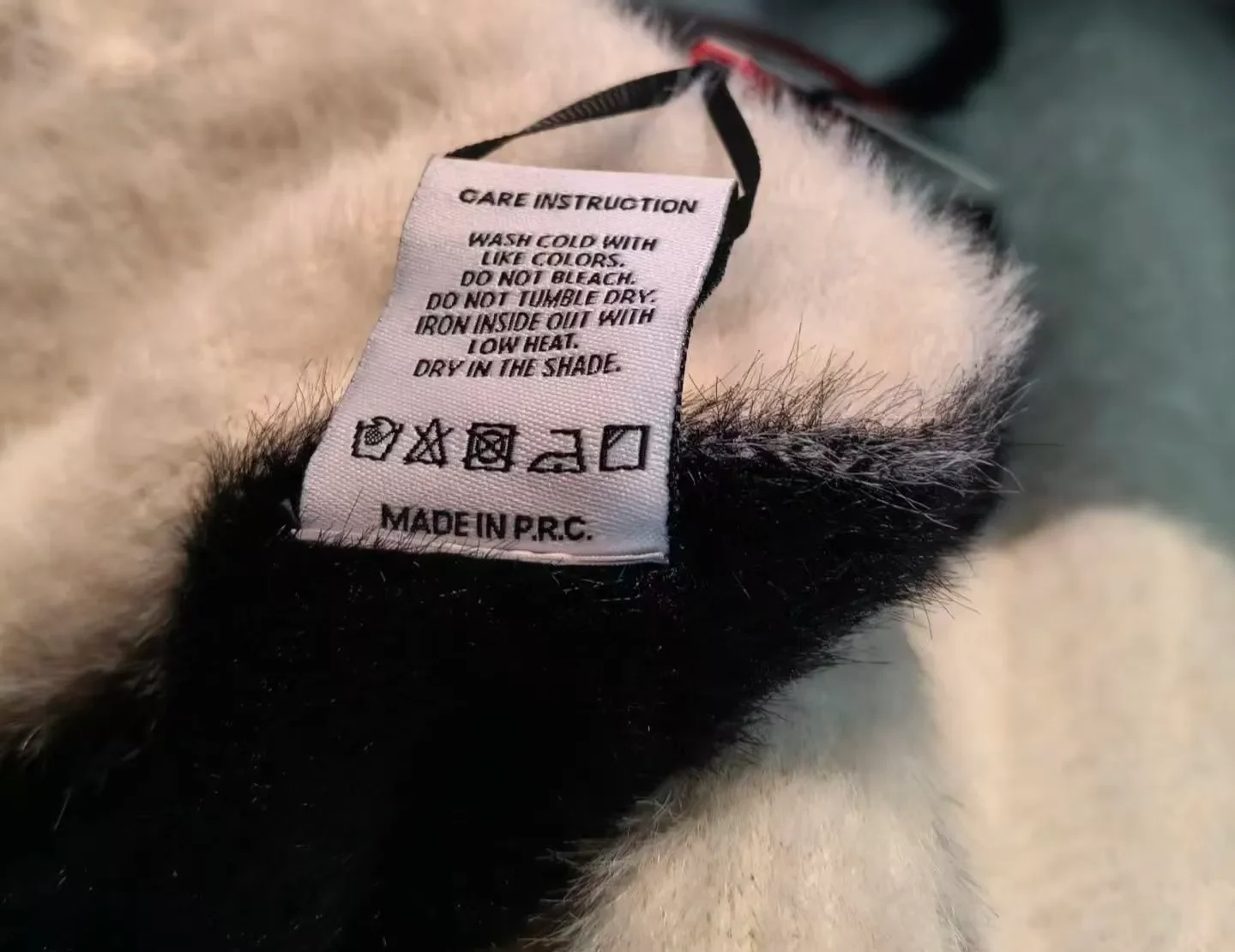
In today’s global supply chain, product labels carry more meaning than ever. One label that often raises questions among importers, retailers, and consumers alike is made in PRC. While it appears frequently on packaging, invoices, and customs documents, many buyers are still unsure what it truly represents and how it differs from other origin markings. Understanding this term is essential for making informed sourcing decisions, ensuring compliance, and protecting brand reputation in international markets.
Table of Contents
What Does Made in PRC Mean?
The term made in PRC stands for “Made in the People’s Republic of China.” It is a legally valid country-of-origin label used by manufacturers and exporters. In essence, it indicates that a product was manufactured in China, just like items labeled “Made in China.” However, the wording is more formal and often preferred in business-to-business transactions, export documentation, and professional packaging.
Over the years, the use of made in PRC has increased as companies aim to present a more standardized and internationally accepted designation. It is commonly seen on electronics, machinery, consumer goods, apparel, and industrial products shipped worldwide.
Why Manufacturers Use the Made in PRC Label
Many suppliers choose made in PRC for practical and strategic reasons. In some markets, the phrase “Made in China” has been associated with outdated perceptions about quality. Using a formal designation helps shift the focus toward manufacturing standards, certifications, and specifications rather than assumptions.
Additionally, made in PRC is widely accepted in customs clearance processes, import documentation, and compliance checks. It aligns well with international trade terminology and avoids ambiguity when products pass through multiple jurisdictions.
Made in PRC vs Other Country-of-Origin Labels
When comparing made in PRC with other origin labels, the key difference lies in perception rather than legality. From a regulatory standpoint, both indicate the same country of manufacture. However, global buyers often view made in PRC as a more neutral and professional term, especially in formal trade environments.
For importers working with large retailers, distributors, or government contracts, consistency in labeling matters. Using made in PRC across packaging and documents can help maintain uniform branding and reduce unnecessary scrutiny during inspections.
Benefits of Using Made in PRC for Global Trade
Benefits for Importers and Brands
One major benefit of the made in PRC label is flexibility. It allows brands to source from China while positioning products in a way that aligns with modern manufacturing realities. China today produces a vast range of goods, from entry-level items to high-end, precision-engineered products. The label itself does not define quality—production standards do.
Another benefit is smoother communication with suppliers and logistics partners. Since made in PRC is widely recognized in international trade, it minimizes confusion during documentation, shipping, and customs processes.
Benefits for Compliance and Documentation
Using made in PRC helps ensure compliance with import regulations in many countries. Customs authorities typically require clear and accurate country-of-origin markings. The formal nature of this label makes it suitable for invoices, packing lists, certificates of origin, and retail packaging.
For businesses operating across multiple regions, standardized terminology reduces the risk of labeling errors, delays, or penalties.
Common Misconceptions About Made in PRC
A frequent misconception is that made in PRC is used to hide the origin of products. In reality, it is simply an official abbreviation for the country’s full name. There is no legal difference in meaning, and it does not misrepresent where a product was manufactured.
Another misunderstanding is that products labeled made in PRC are inherently lower in quality. This assumption overlooks the diversity of manufacturing capabilities within China. Quality depends on supplier selection, quality control processes, materials, and specifications—not on the wording of the label.
How Buyers Should Evaluate Products Made in PRC
Rather than focusing solely on the label, buyers should evaluate suppliers based on audits, certifications, samples, and production transparency. Many factories producing goods marked made in PRC meet international standards such as ISO, CE, RoHS, and other industry-specific requirements.
Conducting proper due diligence, requesting third-party inspections, and maintaining clear quality benchmarks are far more effective than judging products by their country-of-origin wording.
Final Thoughts on Made in PRC
As global sourcing continues to evolve, understanding labels like made in PRC is crucial for importers and brands. The term represents a formal, compliant, and widely accepted way to indicate Chinese manufacturing without changing the legal meaning of origin.
For businesses sourcing internationally, clarity, compliance, and supplier quality should always take priority. When used correctly, made in PRC supports professional branding, smoother trade operations, and better communication across global supply chains.
