
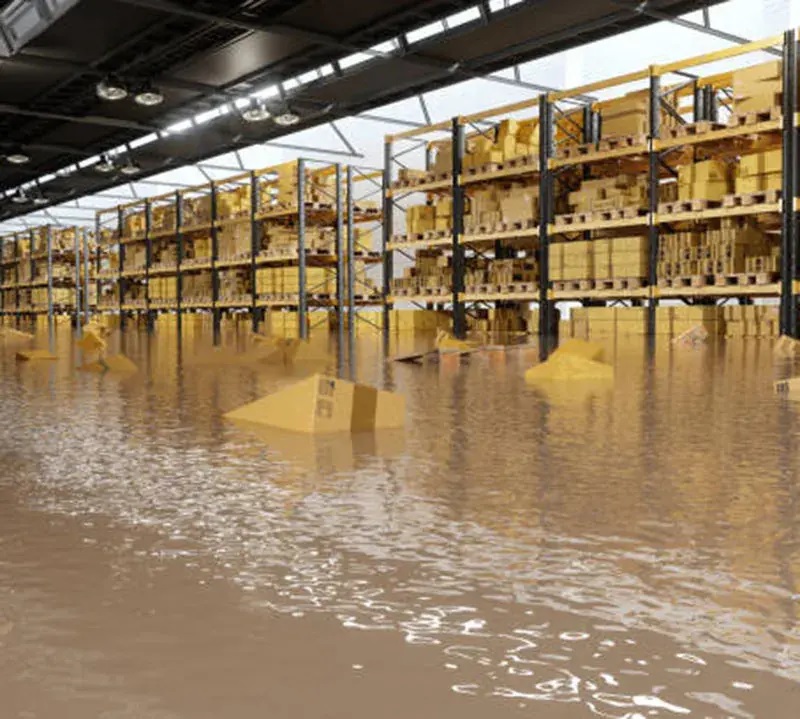
Flooding can turn homes, businesses, and communities upside down within hours. When the water finally recedes, people often rush to begin flood cleanup and water cleanup efforts. However, this stage is far more dangerous than many realize. From structural hazards to biological contaminants, flood-impacted environments expose individuals to a wide range of health risks. Understanding these risks is essential to stay safe and protect long-term wellbeing.
Below, we explore the major dangers associated with flood restoration and how to manage them responsibly.
Table of Contents
What Makes Floodwater So Dangerous?
Floodwater rarely consists of just rain. It often contains a mixture of sewage, chemicals, pesticides, industrial waste, and debris. When you engage in water cleanup without proper precautions, your skin, lungs, and digestive system can be exposed to contaminants that may cause infections or long-term health issues.
Standing water becomes a breeding ground for bacteria, parasites, and viruses. Even after the water drains, contaminants cling to walls, floors, furniture, and personal items. Contact with this residue during flood cleanup can result in serious illness if protective gear is not used.
What Infectious Diseases Can Spread During Flood Cleanup?
Infectious diseases are among the most significant risks after flooding. Exposure can occur through skin contact, inhalation, or accidental ingestion. Some common illnesses associated with flood environments include:
- Gastrointestinal Infections
Bacteria like E. coli, Salmonella, and Shigella thrive in contaminated floodwater. Touching your mouth, drinking contaminated water, or failing to wash your hands properly can lead to severe stomach cramps, diarrhea, vomiting, and dehydration.
- Skin Infections
Any small cut or scrape can become infected when exposed to floodwater. Cellulitis, fungal infections, and other bacterial conditions develop quickly without proper cleaning and protection.
- Respiratory Infections
Mold spores, dust, and decaying organic matter become airborne during flood cleanup. Inhaling them may cause sinus infections, bronchitis, asthma flare-ups, and in severe cases, long-term respiratory damage.
- Leptospirosis
This bacterial disease spreads through contaminated water and soil. People can develop high fever, muscle pain, jaundice, and kidney complications.
These risks highlight the importance of wearing gloves, waterproof boots, masks, and long sleeves during any cleanup activity.
How Does Mold Growth Increase Health Hazards?
Mold growth is one of the biggest post-flood concerns. Mold begins to grow within 24–48 hours in damp environments. Once it spreads, mold releases spores that affect indoor air quality and pose significant health threats.
Respiratory Symptoms from Mold Exposure
- Persistent coughing
- Wheezing
- Nasal congestion
- Sore throat
- Headaches
- Exacerbated asthma symptoms
Individuals with allergies, asthma, or weakened immune systems face the highest risk. Mold removal should always be handled with caution and, when extensive, by professionals like Ideal Response, who specialize in safe and comprehensive remediation.
What Chemical Hazards Exist After Flooding?
Floods can dislodge containers of paint, fuel, pesticides, cleaning agents, and industrial waste. These chemicals mix into floodwater and create hazardous conditions.
Common Chemical Risks Include:
- Skin burns
- Breathing difficulties
- Toxic fumes
- Eye irritation
- Long-term organ damage in severe cases
During water cleanup, even dried chemical residue can pose a threat. Never handle unknown substances without proper personal protective equipment (PPE). If a smell seems strong or chemical-like, leave the area immediately and consult experts.
Are Electrical Hazards a Serious Concern?
Absolutely. Combining electricity with water is always dangerous. Floods often submerge outlets, wiring, appliances, and electrical panels, turning homes into potential shock zones.
Key Electrical Risks Include:
- Electrocution
- Electrical fires
- Damaged circuitry leading to future hazards
Before beginning any flood cleanup, ensure that electricity is professionally shut off. Never assume that outlets or appliances are safe simply because they appear dry.
What Structural Hazards Should You Watch For?
Water weakens structural materials such as wood, plaster, drywall, and concrete. As a result, homes and buildings may become unstable.
Common Structural Dangers:
- Sagging ceilings
- Collapsing walls
- Weak flooring
- Damaged staircases
- Sinkholes or unstable ground
Floors may appear stable but could cave under pressure. Always conduct a careful inspection before entering a flooded property.
Can Flood Cleanup Cause Long-Term Health Issues?
Repeated exposure to contaminated environments and mold can lead to long-term health problems, including chronic respiratory issues, persistent infections, and allergies.
Individuals who perform DIY cleanup without proper gear often develop symptoms months later. This is why many homeowners turn to certified specialists like Ideal Response, who use industrial-grade tools, advanced sanitation processes, and strict safety standards.
What Can You Do to Protect Yourself During Flood Cleanup?
Taking precautions significantly reduces health risks.
Use Essential Protective Gear
- Waterproof boots
- Heavy-duty gloves
- N95 or higher-rated respirators
- Safety goggles
- Long-sleeved clothing
- Hard hats in unstable structures
Follow Safe Cleanup Practices
- Wash hands frequently
- Avoid touching your face
- Throw away contaminated food
- Disinfect surfaces thoroughly
- Keep children and pets out of cleanup zones
- Ventilate all areas to reduce mold and chemical exposure
Know When to Call Professionals
If you encounter mold growth larger than 1 square meter, strong chemical odors, sewage backup, or structural instability, you should contact certified cleanup specialists for safety.
Why Is Professional Flood Cleanup Often the Safest Option?
Professionals have the training, tools, and experience to handle dangerous environments safely. They know how to identify hidden hazards, manage biohazards, and restore properties without exposing occupants to unnecessary health risks.
Using advanced moisture detection, air scrubbers, disinfectants, and industrial drying equipment, professionals ensure that your home is safe long after the visible water is removed.
Final Thoughts
Flooding leaves behind far more than visible water damage. Hidden contaminants, structural instability, mold growth, and infectious agents can threaten your health long after the flood has passed. Recognizing these dangers and taking proper precautions during flood cleanup is essential for protecting yourself and your property.
By understanding the risks, wearing protective gear, and calling experts when needed, you can navigate the post-flood environment safely and effectively.
If you need help handling severe water damage, mold, or hazardous contamination, professional services ensure a thorough and safe restoration process.
