
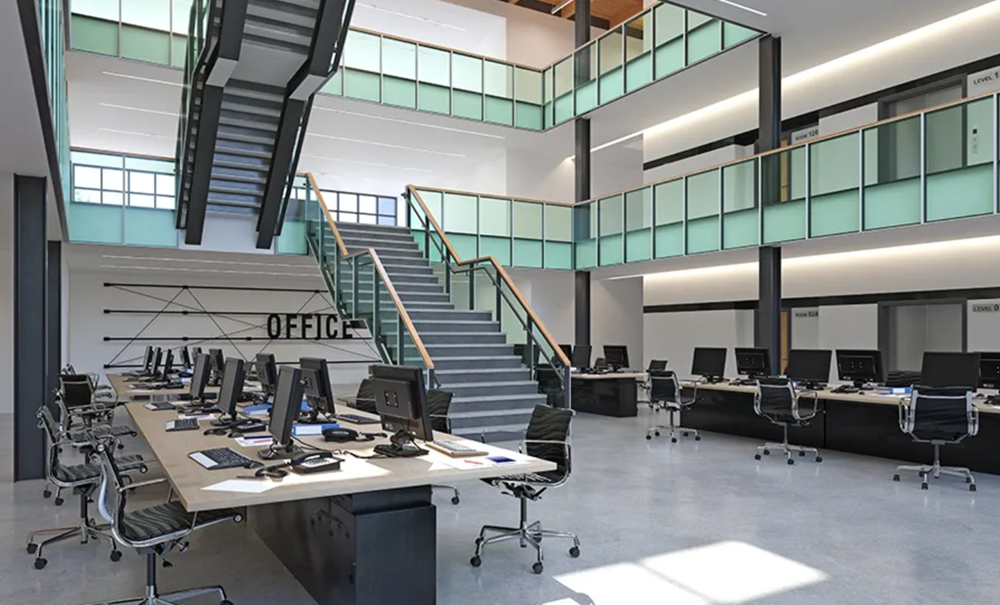
Walking into a freshly painted commercial space can feel like breathing new life into a tired building. Walls gleam, ceilings look pristine, and offices feel more inviting. But achieving that transformation is not just about picking a color. A commercial painting service handles far more behind the scenes. From preparation to finishing touches, experience and attention to detail make all the difference. If you manage a property or business facility, knowing what defines a high-quality service can help you save money and avoid stress.
Table of Contents
What Defines a Top-Tier Commercial Painting Service
Craftsmanship and Surface Preparation
Quality begins long before the first coat of paint. Cracks, peeling layers, moisture, and uneven surfaces must be addressed first. A skilled commercial painting service will clean, patch, sand, and seal where needed. Without this step, even the best paint will bubble or peel.
Example: Imagine an office hallway with heavy daily traffic. If the surface is not properly sealed, the paint may scuff or chip within months, requiring costly touch-ups. Proper prep avoids this problem.
Knowledge of Paint Types and Coatings
Not all paints are the same. Some are built for durability, others for moisture resistance, and some for high-traffic spaces. Professionals know which coatings suit hallways, lobbies, or exteriors. They also understand the differences between gloss and matte finishes and when to use low-VOC options for healthier air quality.
Example: For a hospital or clinic, a low-VOC epoxy coating might be recommended because it reduces fumes and allows easy sanitization. In a restaurant kitchen, a washable, grease-resistant finish ensures walls can be cleaned quickly without damaging the surface.
Safety and Compliance
Commercial projects must follow safety rules, environmental codes, and building standards. A responsible service uses protective equipment, follows regulations, and disposes of materials properly. Low-VOC or water-based paints may cost a little more but reduce health risks and environmental impact.
Example: A school undergoing repainting must meet air quality standards so children are not exposed to harmful fumes. Using certified low-VOC paints helps keep learning spaces safe.
Project Management and Timing
Time matters in business. Stores and offices cannot stay closed for long. An organized commercial painting service sets realistic timelines, sequences work efficiently, and communicates clearly. They also have enough staff and equipment to avoid delays.
Example: A retail shop might schedule painting overnight so it can reopen the next morning. Proper planning ensures customers never notice disruption.
Attention to Detail
Edges, corners, and transitions show the real skill of a painter. Brush marks, drips, or uneven color are signs of shortcuts. A top service delivers clean cut-ins, even coats, and consistent finishes that look professional for years.
Example: In a hotel lobby, crisp paint lines where the wall meets decorative molding can enhance the luxury feel of the space.
Warranty, Maintenance, and Cost Transparency
A reliable service offers warranties and gives advice on how to maintain painted surfaces. Clear, detailed estimates matter too. Itemized costs should explain what is included, such as prep work, primer, number of coats, and cleanup. This prevents unpleasant surprises later.
Example: A facility manager who receives an itemized bid will know whether scaffolding for high ceilings is included, avoiding hidden costs later.
How to Choose the Right Commercial Painting Service
Check Past Work and References
The best way to measure skill is by reviewing past projects. If possible, visit a site painted by the company or talk to their previous clients. Online photos are useful but nothing replaces real-world feedback.
Verify Licenses and Insurance
Always confirm licenses and insurance. Liability coverage protects your property from damage. Worker’s compensation ensures you are not responsible if an accident occurs.
Ask About Paint Products
Find out which paint brands and product lines are being used. Request sample patches or test areas to see how the color looks under different lighting and conditions.
Compare Bids Carefully
Do not pick the lowest bid blindly. A cheaper quote may skip preparation or use low-quality paint. Look for value instead – durability, professionalism, and clarity in the scope of work.
FAQs about Commercial Painting Service
1. How long does a commercial painting project usually take?
Timelines vary with project size. Small offices may take a few days, while large facilities may require weeks. A detailed schedule helps avoid disruption.
2. What type of paint is best for high-traffic areas?
Durable, washable paints with a satin or semi-gloss finish work best in hallways, restrooms, and other busy spaces. They resist scuffs and are easy to clean.
3. How often should a commercial property be repainted?
On average, interiors need repainting every 5–7 years, while exteriors may require it every 7–10 years depending on weather and exposure.
Conclusion
Choosing a commercial painting service is more than a color decision. It is about trusting experts who prepare carefully, manage time well, and deliver durable results. A strong service respects safety, uses the right materials, and pays attention to the smallest details. For property managers and business owners, the right choice means spaces that look professional, last longer, and add real value. With careful selection, your building will reflect the pride and professionalism your business deserves.
